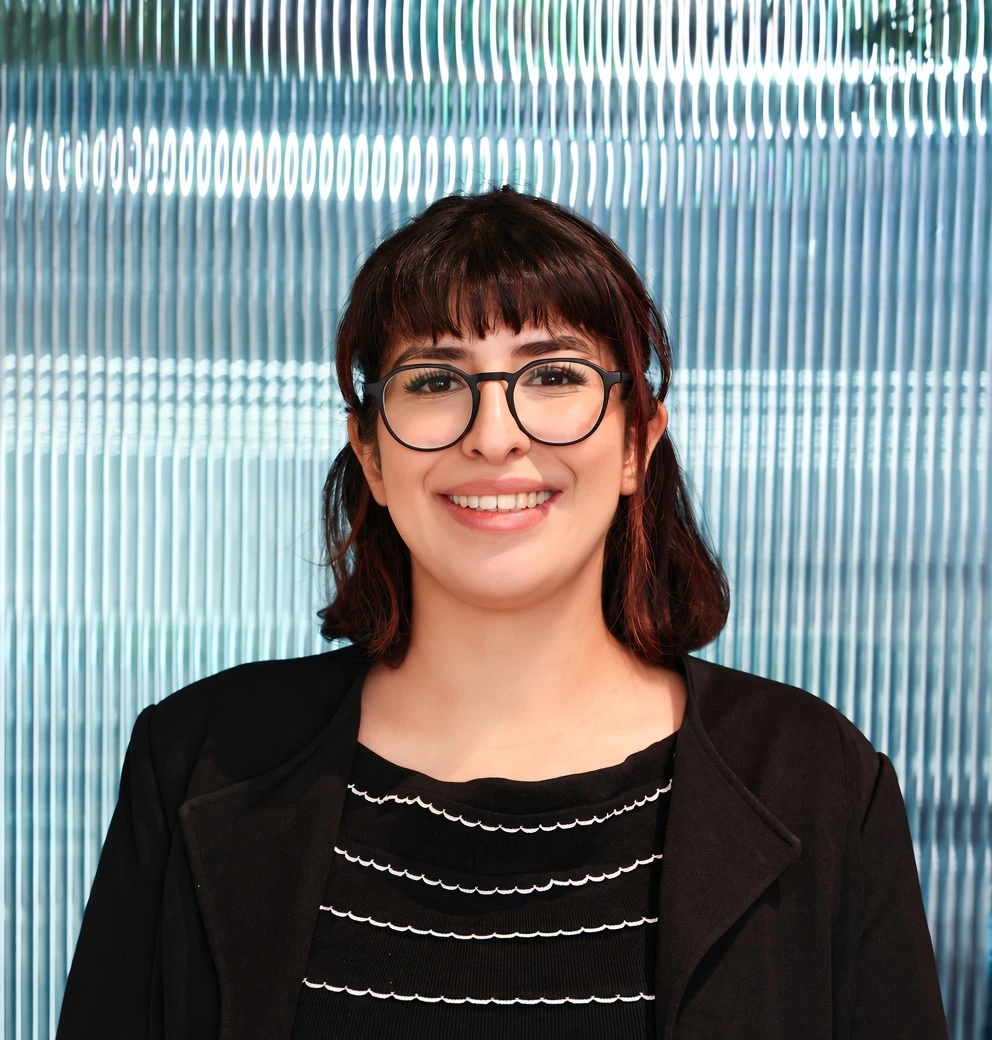
Founders Unfiltered: Alex Wilson - Inside GameOn CMO’s Mission to Close iGaming’s Marketing Leadership Gap
In this edition of Founders Unfiltered, Alex Wilson explores the realities of building that model, from matching experienced marketers with the right businesses to putting people first and finding time to shape the company’s future.
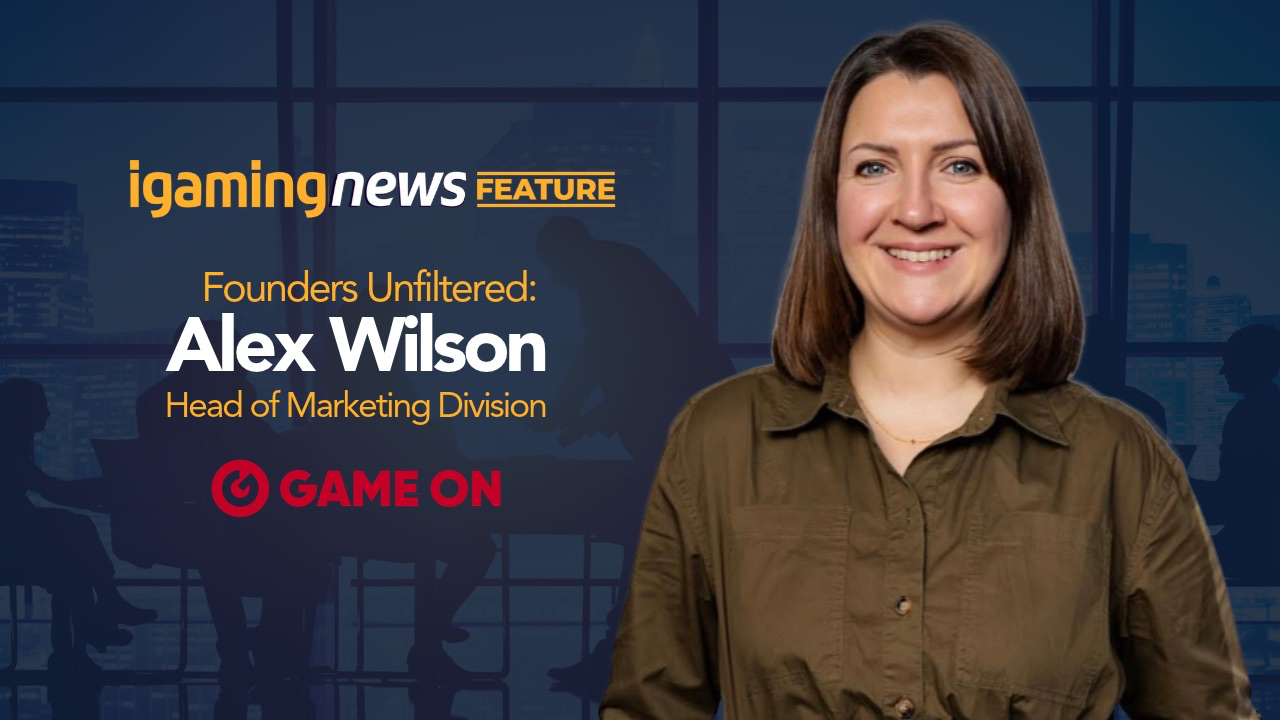
Plenty of marketing activity, but no clear strategy connecting it to commercial goals. That was the gap behind GO CMO, launched two years ago to give iGaming businesses access to senior marketing leadership without the overhead of a full-time CMO.
In this edition of Founders Unfiltered, Alex Wilson explores the realities of building that model, from matching experienced marketers with the right businesses to putting people first and finding time to shape the company’s future. The conversation also challenges the industry’s appetite for overused innovation claims, examines the commercial potential of data and offers a candid perspective on the responsibility—and lost sleep—that comes with being a founder.
1. What was the original idea behind your company, and what convinced you to take the leap and build it?
It was really a supply-and-demand equation.
We were seeing some exceptional senior marketing talent coming onto the market, and at the same time, businesses were telling us they needed strategic marketing leadership without necessarily wanting, or being ready for, the overhead of a full-time CMO.
There was clearly a gap between the two.
GameOn had also spent close to 20 years running PR programmes across iGaming, and we were increasingly seeing companies doing plenty of activity but without a guiding strategy behind it. PR was happening, social was happening, content was being produced, but nobody was necessarily asking how it all connected to the commercial objectives of the business.
That was really the conviction behind launching GO CMO.
Instead of expecting one permanent marketing hire to have every skill a business might need, we could give companies senior marketing leadership and then put the right specialist resource around them as and when they needed it.
Two years later, the fact that the model has worked for businesses at very different stages tells us there was definitely a need for it.
2. What has been the hardest part of building the business that nobody warned you about?
Getting the people equation right.
We need the right CMO available at the right time, but I've learned that experience on paper is only part of it. Personality and chemistry with the client are just as important.
When you're working remotely and perhaps only embedded in a client's business one or two days a week, you have to build trust quickly. You need to understand the personalities around the table and know how to get the best from them.
We've also walked into businesses expecting to work on marketing strategy and discovered that the basic infrastructure isn't there.
Suddenly, before you can talk about growth, you're looking at CRM, lead capture, reporting or how sales and marketing actually communicate with each other.
Sometimes the unglamorous stuff has to come first.
3. What has been your biggest mistake as a founder, and what did it teach you?
I've made plenty. Don't we all?
I'm not sure there's one catastrophic mistake I'd point to, but I've definitely learned not to underestimate the importance of looking after your own people.
For me, our number one client is our team of CMOs.
It's a cliché, but if you look after your people, they are much better placed to look after the client. That's something I try to keep front of mind.
I've also learned that no one size fits all. You can have somebody with exactly the right experience on paper, but if the personality dynamic isn't right, it isn't going to work.
Understanding people is probably something I value much more now than I did at the beginning.
4. Was there ever a point when you seriously questioned whether the business would succeed? What happened?
We're only two years old, so thankfully we haven't had the big "is this it?" moment yet.
But I don't think we've ever reached a point where we've thought the model is finished either.
We're constantly reviewing, reflecting and revising. Some things have worked exactly as we hoped, others have needed changing, and client needs continue to shape the service.
You also have to be realistic about the market you're operating in. iGaming is maturing. We're seeing consolidation, restructuring and businesses looking much more closely at where they're spending money.
That can create opportunities for a flexible model like ours, but external partners are also vulnerable when cost-cutting starts.
You can't control any of that.
What you can do is build a business that is flexible enough to respond when the market changes.
5. What is the biggest lesson you have learned about leadership and building the right team?
That the best CV doesn't automatically mean the best fit.
We're incredibly fortunate to have a core team of four CMOs with decades of experience across some of the biggest names in the industry.
But we've also learned lessons when bringing new people into the model.
We've underestimated how different B2C and B2B can be. We've seen how moving from an in-house role to an agency environment requires a different mindset. And we've learned that personality fit can be every bit as important as experience.
Because we're entirely remote, you also have to work harder to create a team rather than a collection of individuals working on different accounts.
Onboarding, infrastructure and processes aren't the exciting bits of building a business, but getting them right makes an enormous difference.
6. What do you think the iGaming industry gets wrong about entrepreneurship and innovation?
We call too many things innovation.
There are plenty of genuinely innovative businesses and people in iGaming, but when every iterative product update is described as groundbreaking, eventually the word stops meaning very much.
I think the same problem exists with how businesses tell their stories.
Being loud doesn't mean you have something interesting to say.
Founders and CEOs naturally become the face of businesses, but sometimes the most interesting person to talk about an innovation is the person who actually built it.
There are product people, marketers, developers and operational leads across this industry with brilliant stories and perspectives that we rarely hear because businesses keep putting the same senior spokesperson forward.
Sometimes building a stronger company narrative means the founder knowing when not to be the story.
8. Which current iGaming trend do you believe is genuinely transformative, and which is being overhyped?
AI is the obvious one, but I actually think the more interesting transformation is what businesses can now do with data.
Having huge amounts of data isn't particularly transformative. Knowing what to do with it is.
We've seen that with clients. Give people a dashboard and you've given them more information. Show them what's working, where they should invest more, where a competitor is winning and where there's an opportunity nobody is exploiting, and suddenly that information starts influencing commercial decisions.
That's also been part of the thinking behind Studio Leaders, which we've launched with First Look Games and TAG Media. The interesting bit isn't simply having affiliate data. It's being able to identify an opportunity and then actually have the people, relationships and resources to act on it.
AI will absolutely change how we work too, but I think we're still somewhere between what's possible today and what we imagine will eventually be possible.
As for overhyped, I'd probably say traditional influencers.
There's a FOMO element to influencer marketing where brands sometimes feel they need to work with somebody because they're visible or have a large following.
I'm not against taking a punt. Sometimes gut instinct is part of marketing.
But spending significant money because somebody appears influential without analysing whether they actually influence the audience you care about makes me nervous.
9. What has founding a company cost you personally, beyond money?
Sleep. Although having a young family probably needs to take some responsibility for that too.
The bigger thing is probably security.
When you're employed by somebody else, there are parameters around you. You broadly know what's coming at the end of the month and there's some distance between you and everything affecting the business.
As a founder, you're much closer to all of it.
Being master of your own destiny sounds fantastic, and it is, but you're also responsible for other people's livelihoods. That carries weight.
It can be lonely too. We actually see that with some of the founders we work with. They've gone from having a team around them to suddenly being the person who has to make every decision.
I've been incredibly lucky in that respect. GO CMO was created alongside an established GameOn business rather than from a desk in my spare room, and having Sarah Blackburn as a business partner, mentor and sounding board has made a huge difference.
10. If you could go back to day one, what would you tell yourself, and what would you do differently?
Ask me again in five years and I'll probably have a much better answer.
For now, I'd tell myself to protect more time to work on the business rather than constantly working in it.
When you're building something, there's always a client that needs something, a problem to solve or an opportunity that feels urgent.
The danger is that you become so busy delivering the business that you don't give yourself enough time to think about where it's actually going.
I've learned that time doesn't just appear in your diary.
You have to make it.