Bulgaria Plans to Raise Gambling Licence Fees from 2026
Under the proposed amendments to the Gambling Act, the variable component of the two-part state fee for maintaining licences will increase from 20% to 25%, effective 1 January 2026.
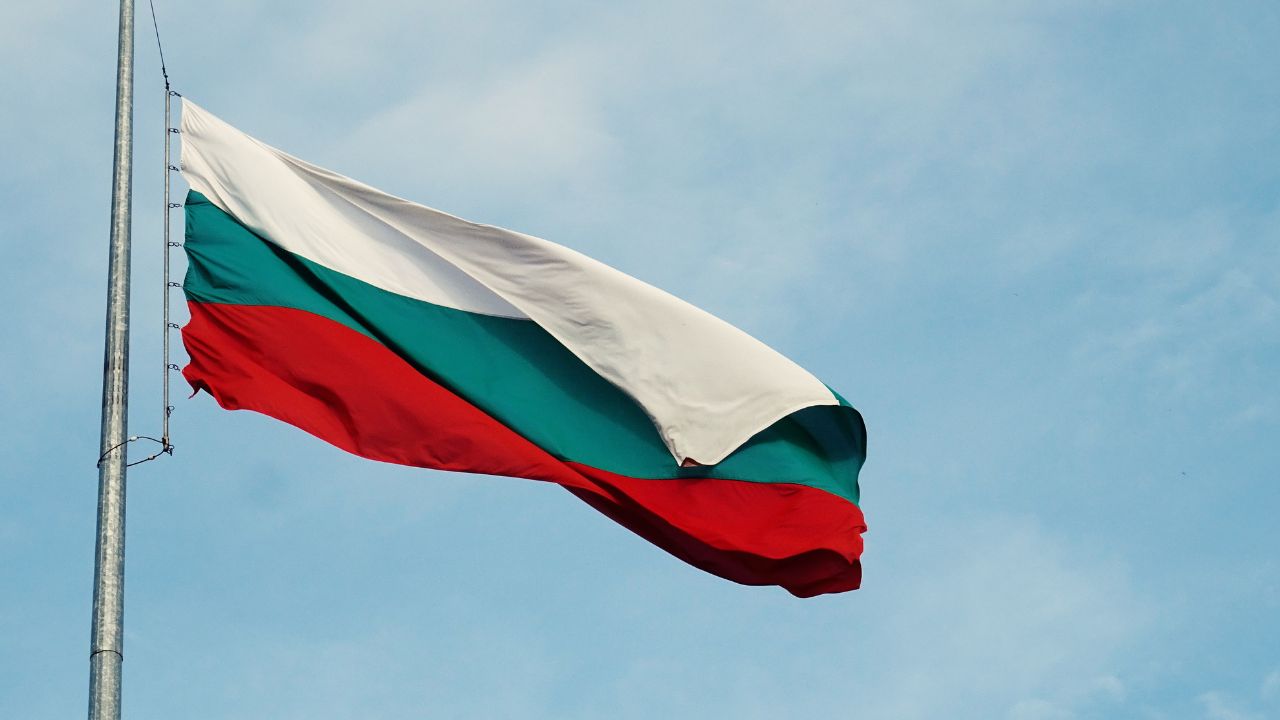
Bulgaria’s Ministry of Finance has announced plans to raise licence fees for gambling operators as part of its 2026 budget strategy, according to the updated Medium-Term Budget Forecast for 2026–2028.
Under the proposed amendments to the Gambling Act, the variable component of the two-part state fee for maintaining licences will increase from 20% to 25%, effective 1 January 2026. The higher rate will apply to lotteries, raffles, toto, bingo, keno and online betting operations.
At present, operators pay a fixed one-time fee of BGN 300,000 (€153,000) for most games, along with a variable fee of 20% calculated on the difference between bets received and winnings paid out. Online betting operators currently pay a higher fixed fee of BGN 400,000, subject to the same variable rate.
The five-percentage-point rise is expected to generate an additional €32 million in state revenue.
The Ministry of Finance said the change is intended to “generate additional revenue for the state budget and thus provide additional funds for social and economic expenditure, which is in the public interest.”
Although the forecast covers the period through to 2028, it does not include projections for the measure’s impact beyond 2026.
The proposal builds on a previous initiative from the caretaker government of former Prime Minister Dimitar Glavchev during the 2025 budget discussions. That earlier version proposed a steeper rise from 20% to 30%, but it was dropped alongside planned taxes on the banking sector.
The current administration, led by Prime Minister Rosen Zhelyazkov, instead opted to introduce a BGN 500 million advance profit tax payment on banks.
The move comes as Bulgaria continues to tighten scrutiny of its gambling sector and assess its social impact. Earlier this year, authorities expanded public education campaigns aimed at tackling underage and online gambling, while also expressing concern over the growth of the black-market casino industry.