Beyond the Game Lobby: How WCC Malaysia Explains Providers and New Releases
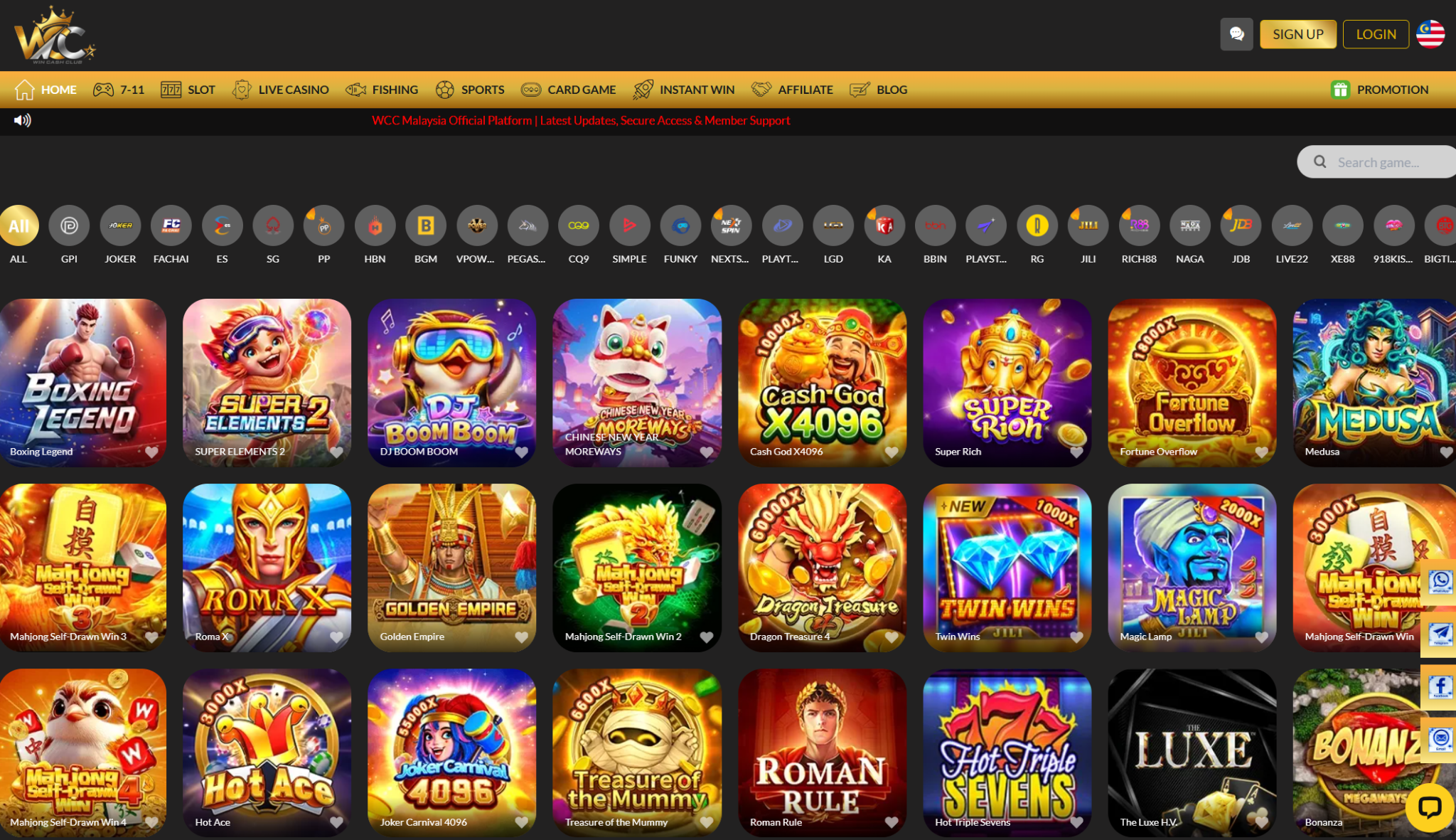
At WCC Malaysia, the Malaysia-facing gaming brand at WCC96.com, provider pages sit alongside individual game explainers and release coverage.
A supplier can release a game before it appears on a particular gaming platform. Put the release date beside a familiar game image, however, and a reader may assume it is already available there. The date can be correct while the page still sends someone looking for a game they cannot find.
At WCC Malaysia, the Malaysia-facing gaming brand at WCC96.com, provider pages sit alongside individual game explainers and release coverage. These pages have room to answer questions that a game tile leaves open. Doing that well starts with identifying exactly which product the reader is looking at.
Getting the provider and version right
WCC presents its main Pragmatic Play collection separately from Pragmatic Play POP. Its POP explainer identifies POP as a Pragmatic Play sub-brand. Keeping separate collections makes the naming important, because the connection between the two still needs to be clear.
In its announcement on 31 August 2026, Pragmatic Play described Gates of Olympus POP as the first title in the new POP series. It retains the familiar Zeus theme and tumbling reels, with a compact, portrait-format 3-by-5 grid. The differences also extend to the rules.
Consider the free spins trigger. Pragmatic Play states that the POP edition awards 15 free spins from three or more Scatter symbols. Its official description of the original Gates of Olympus specifies four or more Scatters for the same initial number of spins. A description carried over from the original would therefore give the wrong trigger for POP, even if the title and image had been updated.
WCC's POP explainer puts those trigger conditions side by side in a comparison table and explains the POP condition in its free spins section. Readers can see what has changed without having to infer it from the shared name or artwork. That is a specific reason for keeping a game explainer alongside a provider collection: the collection identifies the range, while the article has space to explain a difference within it.
Knowing where a provider overview ends
Other provider pages have a broader job. WCC's Play'n GO overview introduces Grid Slots and examples of the supplier's mechanics, while noting that formats and rules vary between titles. It gives readers a starting point for exploring the collection without treating one format as a description of every game.
The NetEnt page addresses catalogue scope. It describes the supplier and some of its mechanics, but notes that WCC's selection may differ from NetEnt's full catalogue. A provider name alone does not establish which of its titles an operator carries.
Where a specification cannot be verified, a guide should say so. WCC's POP explainer says its cited public supplier page does not specify fixed RTP or volatility figures, and directs readers to the accessed game's information or paytable for configuration details. Reliable RTP information should identify the version it describes; a volatility rating should be reported only when a reliable source provides one.
Keeping release coverage connected to the catalogue
The explanatory copy in WCC's slot games section links to provider collections, the September 2026 release calendar and the Gates of Olympus POP guide. These destinations answer different questions. The calendar covers the month's release information; the individual guide examines one title in detail. The category page brings those reading options together alongside the collections.
The September calendar provides a dated example of why release coverage needs careful labels. An announcement date records when information was published. A scheduled release remains a plan, and early access may apply only to selected partners. Availability on WCC requires separate confirmation; the slot page explicitly makes that distinction when introducing its release coverage.
A useful calendar entry identifies which status its source supports. Once that is clear, the game explainer can concentrate on the features rather than repeating the release caveat throughout. Linking the pages makes them easier to find, but their descriptions still need to agree.
Making time to maintain the existing information
For a site with WCC's combination of collections and articles, maintenance extends beyond checking that links work. A link can still reach the correct page while the sentence introducing it becomes outdated.
Suppose a supplier changes a scheduled release date. I would check the monthly calendar entry against the updated source, then review the release paragraph in any connected game explainer. I would also check the category page's introduction to that coverage, changing it only if it repeats the affected date or status. The explanation of an unchanged game feature would not need rewriting because the schedule had moved.
That is a manageable editorial task: follow the changed fact through the pages that use it. A generic instruction to refresh every related page can create unnecessary work and make it harder to see which correction mattered.
When publishing time is limited, I would put a correction that changes a reader's understanding ahead of another release post. A missing bonus condition or a page describing the wrong edition deserves attention even when a new announcement is waiting. For WCC, that means giving existing guides a place in the publishing schedule, so expanding the collection of articles remains a commitment we can maintain.