FEATURE - iGaming: Ladies Who Launch
Ladies Who Launch is a focused feature within this initiative, designed to shine a spotlight on women who have built, launched and scaled businesses across the industry.

At iGaming News, we have a clear and ongoing objective to profile and celebrate the women helping to shape the industry; the leaders behind some of the most recognised brands, products and initiatives in iGaming today.
Ladies Who Launch is a focused feature within this initiative, designed to shine a spotlight on women who have built, launched and scaled businesses across the industry. From founders and CEOs to senior leaders driving innovation, this series highlights the individuals behind the progress and the companies shaping the future of iGaming.
Within this feature, readers will gain insight into each contributor’s personal and professional journey, exploring how they entered the industry, the career paths they have taken and the experiences that have shaped their success. It will also provide practical advice and perspectives for other women working in, or looking to enter, the iGaming space.
Viktoriia Degtiarova, Founder of PaySecure

Can you share your journey into iGaming and what inspired you to launch or build your business?
I entered the iGaming industry through my work at PokerStars, where over time, I became responsible for marketing and operations in Ukraine. It was a very transformational experience that shaped my understanding of both the industry and business overall.
What always inspired me about iGaming is how fast-moving, technology-driven, and innovative the industry is. You can constantly experiment, launch new ideas, and see the market’s response almost real-time. That dynamic environment and continuous evolution have always been very motivating for me.
Later, after working across growth, commercial, operations, and marketing, I realised how critical payments and fintech are within the customer journey. Very often, the payment stage defines the overall user experience, conversion, and business growth. That is what naturally drew me closer to fintech and solving complex challenges within the payments space.
At a certain point, the right timing, the right people, and a shared vision of the market came together and that is how I became part of a business focused on building payment infrastructure and orchestration solutions for the iGaming industry.
What gap in the market did you identify, and how did your business set out to address it?
The first major problem we identified was around user experience within payments. Coming from a marketing and growth background, I understood very clearly how expensive and difficult it is to acquire high-quality users and how easy it is to lose them when the payment experience is poor.
Often, operators focus too much on acquisition, but the cashier experience itself is overlooked. If the checkout is not localised for the market, not adapted to different player segments, or lacks convenience features such as preferred payment methods, suggested amounts, embedded customer support, partial deposits, it creates friction at the most critical stage of the customer journey.
This is where we started. Through our orchestration technology, smart routing, segmentation capabilities, and cashier UX, we focused on making deposits and withdrawals as seamless, fast, compliant, and intuitive as possible. The goal is simple: the payment experience should feel almost invisible to the user while supporting conversion and retention at the same time.
Today, we also see a much bigger opportunity around payment intelligence, AI, and behavioural data. Payment behaviour says a lot about player behaviour overall, but by integrating to help turn insights and automation into real-time intelligence and agentic workflows, which feed into smart routing capabilities As an orchestration and payments platform, we believe it is increasingly important not only to process transactions, but also to help operators turn payment data into actionable insights and AI is helping to make this a reality.
That includes helping operators better understand player behaviour, identify churn signals, segment users more effectively, predict VIP potential, and ultimately improve both player experience and operational decision-making. This is one of the areas we see as the future of payment infrastructure in iGaming.
What challenges or barriers have you faced in launching or scaling your business, and how did you overcome them?
One of the biggest challenges has been the complexity of operating in a truly international environment. On one side, it is incredibly valuable because you work with people from different backgrounds, experiences, and ways of thinking. But at the same time, it also comes with challenges. Different cultures often mean different communication styles, different approaches to decision-making, responsibility, leadership, and business overall. What is considered direct and efficient in one culture may be perceived very differently in another.
At the same time, the iGaming and payments industry itself is extremely fast-moving and complex. Building strong payment infrastructure is not only about technology or integrations. It requires balancing user experience, compliance, operational stability, local market knowledge, and commercial performance all at once.
Another major challenge was earning trust in the market. In iGaming, reputation and expertise matter enormously. Operators want partners who genuinely understand their business, player behaviour, local payment ecosystems, and operational realities, rather than simply selling technology. That is why we focused heavily not only on the product itself, but also on expertise, speed of execution, and solving real operational problems for clients.
What have been the key decisions, strategies, or turning points that have contributed most to your growth and success?
One of the key decisions for us was to focus not only on payments but on the entire user and operational experience around them. Very early on we realised that operators no longer simply need more PSPs connected they need flexible infrastructure, innovations that help improve conversion, operational efficiency, and allows them to adapt quickly to different markets.
Another important factor was building the product very close to the real operational challenges operators face. We continue to focus on solving pain points around approval rates, routing, cashier UX, payouts, localisation, and scaling.
A major turning point was the understanding that payment data is no longer just operational data, but a source of strategic business insights. That is why orchestration, segmentation, and payment intelligence are becoming increasingly important across the industry.
Another major contributor to growth has been the team’s ability to adapt quickly to change. Both iGaming and fintech evolve extremely fast, so for us it has always been important to stay close to the market, react quickly, and focus on solving real business problems for clients.
What would you like to see the iGaming industry doing more of to better support and promote female leadership?
I would like to see more mentorship and educational initiatives within the industry. It is incredibly valuable when women in senior and leadership positions mentor younger professionals, share their experience, and help others navigate career challenges. I believe the industry would benefit greatly from more structured mentorship and networking programs where people can either find mentors or become mentors themselves. It is valuable for both sides and can significantly support professional growth.
I would also like to see a broader perception of the roles women can play in business. Very often, women are still mainly associated with marketing or HR, while today many women successfully lead commercial, fintech, operations, product, and strategic functions. From my own experience, women often bring very strong qualities into leadership - clarity in communication, resilience, adaptability, accountability, and the ability to manage complex teams and environments very effectively.
What changes would you like to see in the iGaming industry more broadly, and what advice would you give to other women looking to launch or scale a business in this space?
The biggest change I would like to see in the iGaming industry is a stronger focus on AI, automation, and data-driven decision-making. What is happening with AI right now is both exciting and slightly intimidating at the same time. We are entering a completely new era where AI is changing how businesses operate, analyse data, build customer journeys, and scale. Agentic AI is a tool that we see as being extraordinately powerful within payments, especially within orchestration processes. My advice especially to women is to stay curious, adaptable, and constantly test new technologies and ideas. iGaming is an extremely innovative industry, and the people who grow the fastest are usually the ones who evolve with the market
Lara Falzon, CEO of Yolo’s B2B brands
Can you share your journey into iGaming and what inspired you to build your career?
My path into iGaming wasn’t linear. I came from accountancy - Ernst & Young, structured, methodical, detail-driven. iGaming was the opposite in almost every way, and that's what drew me in. When I returned to Malta, the industry was the obvious place to be: fast-moving, commercially complex, and genuinely rewarding for people who could bring financial rigour to an environment that hadn't always had it. More than 15 years later, I'm still finding new problems worth solving. When I returned to Malta, iGaming was the natural next step as the closest industry to mobile gaming. That was more than 15 years ago, and I haven’t looked back.
What gap in the market did you identify, and how did you set out to address it?
One of the biggest challenges was a leadership and structural one. As iGaming companies matured from founder-led start-ups into regulated, multi-market operations, many struggled with the transition. Earlier in my career, finance functions were often treated solely as back-office reporting units rather than strategic drivers of growth. Today, finance leaders are expected to help build value, support compliance and contribute to the growth of the business. That is an area where I’ve delivered most impact throughout my career, especially within mergers and acquisitions (M&A), contributing to long-term value creation and scaling businesses.
As a woman in a leadership position within iGaming, how has this shaped your approach to building and running your business?
Leadership, at its core, is about leading by example and setting the standard through your own behaviour. There is no definitive handbook for how to do it perfectly, but I want my teams to be positively influenced by the way I work and lead. That will then filter through into their own teams and create the right culture across the business. Culture comes from observable behaviour at every level of the organisation, not policy documents.
What challenges or barriers have you faced in scaling Yolo’s B2B brands, and how did you overcome them?
The most significant challenge in scaling a business is maintaining strategic clarity under pressure. The industry has matured considerably, and the most successful companies are those with a precise understanding of what they are building and why. They know exactly what they want to achieve and build the right teams and resources around that goal. Strategies evolve as regulations and markets change, but constantly shifting direction can slow growth and create instability.
What have been the key decisions, strategies, or turning points that have contributed most to your growth and success?
Having a clear end goal from day one is incredibly important. Whether someone is entering a new role, joining a start-up, evaluating an acquisition or launching a new project, they need to understand what they want to achieve. Their first question should be ‘what does success look like?’
Without that anchor, you end up busy rather than effective. The path evolves — it always does — but if the destination is clear, you can adapt the route without losing direction.
What would you like to see the iGaming industry doing more of to better support and promote female leadership?
Progress has been made — I'll acknowledge that. But acknowledgement isn't enough. Women support each other more visibly than they did ten years ago, but the structural issues haven't fully shifted. I still see women holding senior titles who face a level of scrutiny their male counterparts simply don't. That changes when the people at the very top decide it's a priority — not a talking point, an actual priority. Founders and board members have more influence over this than any industry initiative. I'd like to see more of them use it.
What changes would you like to see in the iGaming industry more broadly, and what advice would you give to other women looking to launch or scale a business in this space?
My advice to other women is straightforward: perseverance. Never give up. There will be moments when barriers feel disproportionate but women who build lasting careers in this industry do so because they refuse to be deterred.
Going forward, I’d like to see more women appointed to C-level and board positions because of the value and experience they bring, not just as a box ticking exercise. And frankly, it will when it's driven by results, not rhetoric.
Fiona Hickey, CEO of Games Inc
Can you share your journey into iGaming and what inspired you to build your career?
I came into iGaming through a dedicated industry recruitment business over 15 years ago, which gave me a front-row seat to how incredibly dynamic the sector really is. I was working with operators, suppliers, start-ups, and some of the biggest personalities in the industry long before I ever moved onto the supplier side myself. It meant I saw the industry from every angle very early on the ambition, the pressure, the growth stories, and occasionally the complete madness too.
What really hooked me was the energy of it all. iGaming is one of those industries where relationships genuinely matter. It’s global, fast-moving, highly competitive, but also incredibly social. Deals happen over years of trust, not just meetings and presentations. I loved the entrepreneurial nature of it immediately. There was always a sense that anything could happen next.
Over time, I naturally moved further into the commercial and operational side of the business, helping scale companies internationally, launch into new markets, and build long-term strategic partnerships. Today at Games Inc, the focus is building a studio with personality — great games, strong partnerships, and a culture people genuinely enjoy being part of.
At the heart of it though, this industry is still about people, and that’s what’s kept me passionate about it all these years.
What gap in the market did you identify, and how did you set out to address it?
I’m definitely not arrogant enough to sit here and say we identified some magical “gap” in the slot market that nobody else could see. There are a huge number of incredibly talented studios in iGaming right now, and many of them are genuinely raising the bar creatively, technically, and commercially.
What we really set out to do at Games Inc when we shifted strategic direction last year was refocus around operators and genuinely listen to them properly. That sounds obvious, but surprisingly it’s something parts of the industry have drifted away from over time.
There are still too many suppliers and providers who approach operators by telling them what their players want, what markets should do, or how casinos should position content. We fundamentally disagree with that mindset. Nobody understands player behaviour better than the operators themselves. They see the data daily, they understand their audiences market-by-market, and they know what resonates with their communities far better than any supplier sitting externally.
Our approach has simply been operator first. Listen more. Collaborate better. Stay flexible. Build stronger long-term relationships rather than transactional ones.
It’s not revolutionary, and we’re certainly not the only company taking that approach, but it’s something we genuinely believe in and try to embed into how we operate every day.
As a woman in a leadership position within iGaming, how has this shaped your approach to building and running your business?
People who know me well know I’m probably the first person to debunk the idea of purely being labelled “a woman in gaming.” I’m also Irish, a parent, horse-riding, wine-loving, right-handed, slightly chaotic at times, and about twenty other things before I walk into a leadership conversation. Of course being a woman comes into discussions a lot, and naturally it shapes experiences in certain ways, but I don’t personally believe my leadership style exists purely because of gender.
My approach to leadership has been shaped far more by the people I’ve worked with throughout my career — both good and bad — and importantly, that influence has come from both men and women alike. I’ve worked with incredible leaders who created trust, energy, loyalty, and ambition around them, and I’ve also experienced environments that taught me exactly how I never wanted people to feel at work.
That’s probably what influences me most today. I care a lot about creating environments where people feel trusted, challenged, heard, and motivated without unnecessary politics or ego getting in the way.
At Games Inc, we work hard and move quickly, but we also try to keep things human. High standards matter, but so does humour, honesty, and creating a culture people genuinely enjoy being part of.
What challenges or barriers have you faced and how did you overcome them?
One of the biggest challenges in the slot space is that while the industry moves incredibly quickly, the technology and development behind games doesn’t always move at the same speed. Players consume content faster than ever, game lifespans are getting shorter, and competition is relentless. You can spend months building something you genuinely believe is a brilliant idea, only for someone else to launch something similar quicker, louder, or with a bigger distribution network behind it.
That’s why speed and adaptability have become so important. Thankfully, smarter tools, automation, and AI are making development cycles faster than they used to be, and we’re actively embracing that at Games Inc. We don’t see AI as replacing creativity — we see it as helping talented teams move quicker and spend more time on the areas that actually matter.
At the same time, we also try not to overcomplicate things or take ourselves too seriously. Build what we believe is a genuinely entertaining game, position it well, learn from it, and move forward quickly.
A huge part of our thinking also comes back to being operator first. By listening more closely to what operators actually want, rather than telling them what should work, we’re hoping to build stronger long-term support around launches and give games the time they need to perform properly.
We’re still very much in growth and build mode, but we’re giving it a very good go.
What have been the key decisions, strategies, or turning points that have contributed most to your growth and success?
On a personal level, I think a huge part of my growth has come from relationships, curiosity, and not being afraid to throw myself into opportunities before feeling completely ready. Earlier in my career, particularly during my recruitment days, I had the chance to meet an enormous range of people across the industry, from start-ups to some of the biggest names in gaming. That taught me very quickly that there isn’t one “correct” path to success. Some of the smartest people in this industry are completely unconventional.
I’ve also always tried to stay very commercially aware and adaptable. iGaming changes constantly, and if you become too rigid in your thinking, you get left behind quickly. One thing I mentioned previously was the importance of authenticity and relationships, and I still believe that massively today. Reputation compounds over time in this industry.
At Games Inc, the growth strategy is actually quite simple in theory, even if execution is harder. Move quickly. Implement smarter technology and AI where it genuinely improves productivity. Hire people who are better than you in their specialist areas. Stay flexible, listen to operators properly, and try to build a business full of talented people who genuinely care about what they’re creating.
Then honestly? You work hard, adapt constantly, and hope the market agrees with your direction.
What would you like to see the iGaming industry doing more of to better support and promote female leadership?
I think the industry has improved a lot when it comes to diversity and inclusion, but personally I look at it much broader than simply “women in gaming.” I’m hugely supportive of smart, driven people full stop regardless of gender, background, ethnicity, education, personality type, or where they’ve come from professionally.
Leadership is hard. You need to be adaptable, commercially aware, resilient, and able to manage completely different personalities and working styles constantly. You need to support people properly while also being willing to challenge the status quo and make difficult decisions when needed. Not everyone will always like those decisions either, and that’s part of leadership.
One thing I’d really love to see more of in iGaming is diversity of thinking and experience, not just diversity on paper. As an industry, we’re still very biased towards hiring only from within gaming. Sometimes that makes sense, but equally we can become a bit of an echo chamber. Bringing in people from other industries, backgrounds, and ways of thinking would benefit us massively.
I genuinely love this industry and feel very lucky to have grown up in it, but not every experience along the way has been comfortable and honestly, I think some of those tougher moments have helped me. Having people challenge you, push back, or not tell you everything you do is brilliant all the time is actually valuable. Probably a controversial opinion these days, but I think resilience and self-awareness still matter enormously.
What changes would you like to see in the iGaming industry more broadly, and what advice would you give to other women looking to launch or scale a business in this space?
I’d love to see the industry become a little more self-aware at times and a bit less afraid of challenging itself. I’m a big believer in the importance of asking what seem to be the stupid questions, admitting what you don’t know, and not letting ego get in the way. iGaming can sometimes reward confidence over curiosity, but the people and businesses who continue evolving are usually the ones willing to learn constantly.
I also think we need more diversity of thought across the industry. We hire very heavily from within gaming, which has obvious benefits, but we could massively benefit from more people entering from technology, entertainment, hospitality, consumer brands, media, AI, and completely different sectors. Fresh perspectives are healthy.
Technology is obviously going to reshape huge parts of the industry too. AI, automation, and smarter tooling are already changing how studios build, market, analyse, and launch games. The challenge will be making sure we use those tools to improve creativity and efficiency, not accidentally remove personality from the products we create.
For anyone looking to build a career or business in this space, my advice is simple: stay adaptable, ask “stupid questions,” back yourself before you feel fully ready, and don’t confuse confidence with competence. Some of the smartest people in this industry are also the ones still learning every day.
Alina Mihaela Popa, CCO at ICONIC21

Can you share your journey into iGaming and what inspired you to start your career?
I joined iGaming a decade ago, in 2016, and since then, I navigated multiple commercial-focused roles. Like many others, I began by learning the business from the ground up. After that, I moved into partnership management and business development, which gave me a broad understanding of how the ecosystem works from different perspectives.
I joined ICONIC21 as CCO in June 2024, just as the company was about to rebrand and become an independent, multi-vertical provider. The timing was perfect. I arrived at a key moment and have been working at full speed ever since. We've seen significant growth since late last year and into 2026, and we're just getting started.
What attracted me to iGaming, and what keeps me here, is the fast and dynamic pace. It's genuinely fun, and the people who succeed are sharp, entrepreneurial, and passionate about their work. This industry rewards both curiosity and commercial instinct, which fits how I think and operate. People who find their place here rarely want to leave, and I definitely feel that way.
What gap in the market did you identify, and how did your brand set out to address it?
At ICONIC21, we saw a growing gap between what operators truly need and what the market was offering: real customization. It’s not just about surface branding or swapping a logo on a template. We focus on full personalization that brings an operator’s identity to life and connects with their players.
For live casino, this means building dedicated studios where every detail ike decor, lighting, equipment, tables, and UI/UX is designed to reflect and strengthen the operator’s brand. Same goes for RNG games and slots. Our goal is for players to log in and experience the brand’s personality in every interaction.
We believe the industry is moving toward hyperpersonalization, and providers who don’t adapt will end up offering generic products in a crowded market. At ICONIC21, we’ve built our model to meet this challenge and deliver at a level that often surprises operators. The results have proven this approach works.
As a woman in a leadership position within iGaming, how has this shaped your approach to building the business?
I believe the most important thing any leader can do is build real credibility through results, and that’s the standard I set for myself. I focus on commercial performance, growing strong partnerships, and building a team that works with ambition, and accountability. That’s what motivates me in any situation.
I’ve noticed that more and more women are taking on influential, senior roles in iGaming, and that visibility is important. Seeing strong examples of commercial and strategic leadership at the top of the industry helps start conversations about what leadership can look like here, which is good for everyone.
Being part of ICONIC21’s growth at this level has been a huge learning experience for me. The CCO role challenges you to think bigger, move faster, and lead more decisively than you might in a smaller role. I’ve grown a lot as a leader through this, and I believe the best leaders keep a growth mindset.
What challenges or barriers have you faced and how did you overcome them?
The biggest challenge at ICONIC21 has been maintaining high quality while working at such a fast pace. We deliver dedicated studio builds, new game releases, and expand product verticals faster than many expect, all without lowering our standards. This takes constant coordination, strong internal processes, and a team that is truly committed to our goals.
We handle this by staying flexible. We’ve worked hard to make sure we can shift our priorities to meet client needs without losing ground in other areas. Having a can-do culture needs to be supported by the right systems and a mindset focused on delivering results.
Another ongoing challenge is regulation. iGaming is a global business with many different rules, and the compliance landscape is always changing. Meeting the requirements to enter new markets takes time, resources, and lots of legal expertise. We see this as a strategic priority.
What have been the key decisions, strategies, or turning points that have contributed most to your growth and success?
Joining ICONIC21 as CCO was the defining professional decision for me and the timing made it even more significant. I came in at a moment of transformation: the company was expanding its C-suite, completing a rebrand, establishing its independence, and launching into new verticals beyond live casino. RNG games, slots, promo tools, dedicated studios, new markets: all of it was taking shape at once.
Being part of that from the ground floor, and actively contributing to how it was built, gave me a depth of ownership that's difficult to replicate in a more established structure. That's a very different challenge, and a far more instructive one.
What's contributed most to our growth, I think, is the clarity of our positioning. We know what we do well and we haven't tried to be everything to everyone. That focus, combined with the agility to respond to what operators actually need, has been the engine behind our rapid scaling. Our pipeline and partnerships reflect that directly.
What would you like to see the iGaming industry doing more of to better support and promote female leadership?
I’d like to see more opportunities for women to share their views on the commercial and strategic sides of the business in main industry discussions about product, growth, regulation, and innovation. Visibility in these areas is what really makes a difference in our industry.
When women in senior roles speak publicly about market strategy, operator relationships, or product direction, it helps make diverse voices more common in leadership. It also gives people earlier in their careers something real to look up to and aim for.
I also believe the industry benefits from creating more mentorship opportunities, whether informal or structured, to help people in the early stages of their careers. iGaming has a learning curve, and having access to experienced mentors who can guide you makes a big difference.
What changes would you like to see in the iGaming industry more broadly, and what advice would you give to other women looking to launch or scale a business in this space?
Overall, I’d like to see iGaming keep becoming more professional, especially in compliance, player experience, and long-term sustainability. The industry has grown quickly, and with that comes responsibility to regulators, partners, and the markets we serve. The companies that will lead in the next decade are those taking this seriously now.
I’d really like to see more talent from other industries join iGaming. There’s a lot of expertise in areas like fintech, entertainment, hospitality, and technology that fits well here. New perspectives from outside challenge our assumptions in interesting ways. The industry is big enough to attract this talent.
For women building or growing in this field, my advice is to get comfortable with uncertainty and learn the commercial details early. Understand the business models, operator relationships, and regulatory dynamics, not just the product side. People who advance quickly in iGaming are usually those who can talk confidently about all these areas.
Also, don’t underestimate the importance of being consistent, building close relationships, and earning a reputation for delivering results. This industry is built on relationships. Your network and track record grow over time, so start investing in both from the very beginning.
Dearbhla Purcell, Director of Marketing & Events at Games Global
Can you share your journey into iGaming and what inspired you to build your career?
My journey into iGaming hasn’t been a straight line. My background was initially in quantity surveying, and I spent eight years in the construction industry before taking up an MBA, where I specialised in marketing. I found it compelling enough to make a deliberate career pivot.
When I entered iGaming, what struck me immediately was how fast-moving, global and creative it was. I quickly realised that this is an industry where brand and storytelling are genuine commercial levers. That has never mattered more than it does now, in an industry increasingly shaped by AI. Storytelling, real-life experiences and brand resonance are critical when you’re flooded with AI imagery and experience.
While my path isn’t founder-led in the traditional sense, I’ve operated with an intrepreneurial remit throughout the acquisition and growth of Games Global. Over the last four years, I’ve built the brand and marketing function from the ground up rather than inheriting a finished playbook. We’ve had successes and learned from failures, but ultimately, we’ve built a brand that resonates globally.
Throughout your career, what opportunities have you identified to strengthen brands, products, or customer engagement, and how have you helped bring those ideas to life?
Games Global was formed through acquisition, building on the foundation of an already highly successful business. The opportunity was not simply to grow, but to bring together dozens of studios, products, identities and talented people under one coherent vision.
I've been fortunate to work closely with our Chief Executive Officer, Walter Bugno, on bringing that vision to fruition. It’s been a wonderful experience, because as a marketer at heart, he understands the role that brand can play in driving business growth.
While world-class content is created across the industry, it's the marketing, brand and commercial enablement engine behind it that truly amplifies success. That's where we've focused our efforts, particularly over the last year. The question we consistently ask ourselves is: what can marketing do to drive measurable commercial value? And for me, that's been the objective – build a global brand, that locally resonates while ensuring marketing has a clear and measurable impact on the business.
As a woman in a senior leadership position within iGaming, how has this shaped your approach to leading teams and driving business growth?
My ethos and philosophy is the same for everyone: if you do well at your job and deliver results, it doesn't matter what gender you are. You deserve the opportunity and you deserve the reward that comes with that.
I'm an unapologetic advocate for women. My entire team is female and they're absolutely amazing at what they do. But we've also had male and non-binary individuals in the team and they've been fantastic too.
As I've moved up in my career, there have been many times where I've been the only woman in the room. Some people might think that's difficult, but I've never looked at it that way. If you're confident in your work and your experience, your voice is equally as important as anyone else's in that room.
That's something I try to impart to the female leaders within my team. If you know your worth and you're able to deliver, you should have confidence in your voice.
Can you think of any specific challenges or barriers that you have encountered throughout your career in iGaming, and how have you navigated them?
One challenge I've encountered throughout my career is around perception. If you're determined and focused on getting things done, people can be quick to label that as aggressive, passive-aggressive or emotional, when in reality, you're simply being passionate and direct.
Those labels can be applied differently depending on who's delivering the message, but I've learned to view that as a strength rather than a weakness. The key is utilising that energy in the best way possible to get work done, build credibility and ensure your voice is heard, trusted and respected.
I also think competitive energy can be a challenge in any business environment. I still see it today where competition and ego can eat people alive and hinder collaboration. Ultimately, great leaders can identify that energy, channel it productively and turn it into a strength for the team, because you'll always get better output when people work together towards a common goal.
For me, the focus has always been on delivering results, building trust and ensuring that your work speaks for itself.
What key decisions, strategies, or standout campaigns have contributed most to your success and the growth of the brands and products you've worked on?
We have unbelievable products within Games Global, and they are our bread and butter. I always say to the team, if we don't have product, we don't have marketing. When you have the likes of Gold Blitz, Immortal Romance or Dark Waters performing well, the opportunity from a marketing perspective is endless.
One of the biggest contributors to my success has been developing stronger commercial knowledge and experience. Working closely with Mark MacCombie, our Chief Commercial Officer, on campaigns that align with the wider commercial objectives of the business has been a huge growth step for me. Marketing is a creative expertise, but commercial understanding brings another level of credibility to your work.
A lot of my success has also been shaped by the support I've had from Walter Bugno over the last four years. There were times when I wasn't ready, but he believed in me and had conviction in what I could deliver. That kind of trust and opportunity has been invaluable.
Identifying the opportunity in real-life experiences and immersing our customers in them has also been a huge success in my career. We’ve always focused on the commercial value those experiences create, whether that’s launching a brand, creating yearly touchpoints with customers or building immersive spaces around our products. To put that into perspective, over the past year we delivered seven major events that reached more than 1,000 attendees across eight global markets, from 235 operator meetings with 193 unique companies at ICE Barcelona to over 110 operator companies hosted at our Monaco customer event. You learn a lot when you’re running something at that scale, particularly when there’s little room for failure, and it’s something I’ve genuinely enjoyed.
What would you like to see the iGaming industry doing more of to better support and promote female leadership?
I'd like to see the industry move beyond visibility for its own sake and towards real sponsorship. I've experienced first-hand what it means to have senior leaders back people for roles before they're ready and give them the opportunity to grow into them.
Obviously, you still have to deliver when you're in that space and you'll have successes and failures along the way. But if you feel like somebody genuinely believes in what you can achieve, even if you don't have all the qualifications or experience yet, it can be transformational. Particularly as women, we're often the first to say we're not fully qualified for a role, but with the right leader backing you and showing conviction in your potential, you'll be unstoppable.
For me, that kind of belief genuinely changes careers. Some of my biggest learning moments have come from being thrown into the deep end, feeling slightly out of my comfort zone and figuring it out along the way. You learn quickly in those situations because you have to, but knowing there's somebody backing you gives you the confidence to commit, trust yourself and keep moving forward.
What changes would you like to see in the iGaming industry more broadly, and what advice would you give to other women looking to build successful careers and leadership positions in the sector?
The foundation has to be performance: be excellent at what you do and deliver it to a consistently high standard. Everything else builds from there.
Where I think the industry can keep adding value is through networks and initiatives that push people outside their comfort zones. Groups like Global Gaming Women, Lean In circles and similar networks are hugely underrated in terms of building confidence and connections. When I say connections, I don't mean networking simply to get a job here or there. When you move away from that mindset and think about what you can contribute, as well as what you can gain, it creates a completely different experience.
Those networks can accelerate careers through guidance, coaching, mentoring and leadership support, whether that's inside your current business or beyond it.
My advice to women, and in truth to everyone, is to lean into that. Don't wait until you're fully qualified to put yourself forward. Get comfortable making decisions without knowing everything and understand that it doesn't have to be perfect. Build your network and find people that will back you – that is absolutely paramount.
Claudia Heiling, COO and Co-Founder at Golden Whale
Can you share your journey into iGaming and what inspired you to build your career?
My journey into iGaming started at Greentube, where I was part of the early core team during a phase of rapid growth and market expansion. It was an incredibly formative experience. I worked across product, operations, and market launches, playing an instrumental role in bringing games and platforms to millions of players globally.
What stood out early on was how much both we, and the industry as a whole, relied on intuition rather than structured, data-driven decision-making. I sat through countless discussions about bonus allocation, promotional campaigns, retention initiatives, and player engagement strategies. While these conversations were often driven by experience and expertise, they were also highly subjective and opinion-based.
After several years outside the industry, I had stayed in close contact with some of my favorite colleagues from that time. One of them was Eberhard, Greentube's former founder, who had the initial idea for what later became Golden Whale and reconnected us to explore how machine learning could solve some of the industry's most persistent challenges. From those conversations, a new idea began to take shape: What if we could address some of the industry's most persistent challenges by applying the rapidly evolving capabilities of machine learning? What if AI could fundamentally change how operators engage with players - not just through better analytics, but through real-time decision-making and personalisation at scale?
That perspective ultimately led to co-founding Golden Whale in 2022. Our vision was to move beyond dashboards and fragmented tools and instead build infrastructure that enables operators to act on data continuously and measurably. We wanted to make advanced machine learning practical and impactful in a live operational environment, rather than something that remained theoretical or retrospective.
What inspired me most - and continues to inspire me today - is the opportunity to help shape a more intelligent, sustainable, and player-centric future for the industry.
What gap in the market did Golden Whale identify, and how did you set out to address it?
The gap we identified was quite clear. Many operators had access to large amounts of data, but very limited ability to turn that data into real-time, measurable action. Most solutions in the market were focused on reporting, segmentation, or one-off models, but lacked the infrastructure to operationalise machine learning continuously.
This often resulted in a disconnect between insights and actual business impact. Teams would know what they should be doing, but not have the systems in place to execute consistently or at scale.
With Golden Whale, we set out to address exactly that. Instead of positioning ourselves as another analytics provider, we focused on building decision infrastructure at scale. Our FOUNDATION™ platform connects directly to existing technology stacks and enables automated, real-time optimisation across player engagement, retention, and balancing.
A key differentiator is that we do not just learn from historical data, but from real interventions and their outcomes. This allows us to continuously improve decision-making in a way that is both statistically robust and commercially relevant.
Ultimately, our goal is to bridge the gap between data and action and make machine learning a practical, measurable driver of growth. The fact that operators across four continents have trusted our technology, delivering measurable results in live environments, has validated both the need for this approach and the impact it can create.
As a woman in a senior leadership position within iGaming, how has this shaped your approach to leading teams and driving business growth?
Being in a leadership position as a woman in iGaming has shaped my approach in a very pragmatic way. I tend to focus less on hierarchy and more on clarity, accountability, and execution. Building a company in a technical and commercially demanding space requires strong alignment across co-founders and teams, and I place a lot of emphasis on transparent communication and clear decision-making.
I have also found that taking a product and operations-first perspective has been a key advantage. Rather than focusing purely on growth metrics, I care deeply about how things work behind the scenes: how decisions are made, how systems scale, and how customers actually experience working with us.
In terms of gender, the reality is that iGaming is still a relatively male-dominated industry, particularly in technical and leadership roles. However, I have approached this less as a barrier and more as a reason to be very clear and confident in how I operate. I have also been fortunate to work with some of the best and most supportive people - mostly men - over the course of my career.
What matters most is delivering results, building trust with customers, and creating an environment where people can perform at their best. That is ultimately what defines leadership, regardless of background.
Can you think of any specific challenges or barriers that you have encountered throughout your career in iGaming, and how have you navigated them?
One of the main challenges in building Golden Whale has been positioning a fundamentally new category in the market. When you move beyond traditional analytics into AI-powered decision infrastructure, it requires a shift in how operators think about technology, ownership, and execution.
There is often an initial expectation of quick wins through dashboards or isolated models, whereas our approach focuses on long-term, measurable impact through continuous optimisation. Bridging that expectation gap takes time, education, and strong proof points. To address this, we typically start collaborations with low-risk, high-reward proof-of-concept phases. We make ambitious claims about the impact our technology can deliver, so demonstrating that value early on is often the strongest argument.
Another challenge has been operating in a space where both technical complexity and commercial pressure are high. You need to deliver robust machine learning systems while also demonstrating clear ROI within a relatively short timeframe.
We addressed this by being highly disciplined in both how we built our technology and how we measure impact. From the beginning, we focused on seamless data connectivity without lengthy integration projects, combined with statistically sound testing and fully auditable results. This has been critical in building trust with customers and differentiating ourselves from more superficial solutions.
Overall, the key has been staying consistent in our positioning, continuously delivering measurable outcomes, and never compromising on the core value we aim to provide.
What key decisions, strategies, or standout campaigns have contributed most to your success and the growth?
A key factor in our growth has been the decision to focus on infrastructure rather than isolated features. Early on, we made a conscious choice not to build one-off models or dashboards, but to invest in a system that can continuously generate and execute decisions.
This has allowed us to scale much more effectively across different operators and markets. It also creates a stronger long-term partnership with our customers, as the system improves over time based on real interactions.
Another important advantage was the experience and industry knowledge that the Golden Whale founding team had from years of building and growing Greentube. Having worked closely with operators, products, and players for many years, we understood industry challenges firsthand and were able to design solutions around real operational needs rather than theoretical use cases. Equally valuable was the network and trusted relationships we had built over the years, which helped us engage early partners, validate our ideas, and accelerate adoption.
From a product perspective, we also made the deliberate decision to prioritise measurable impact from day one. We built our approach around controlled experimentation and clear attribution, which means every optimization we deploy can be evaluated in a statistically sound way. This not only drives better outcomes but also builds credibility internally with our customers' teams.
Finally, maintaining a strong connection between product, operations, and customer feedback has been critical. We learn not just from data, but from how our solutions perform in real-world environments. That continuous feedback loop has been one of the most important drivers of our progress and continued growth.
What would you like to see the iGaming industry doing more of to better support and promote female leadership?
The iGaming industry has made progress in supporting female leadership, but there is still more to be done, particularly in creating visible pathways into senior and technical roles.
One important area is representation. Seeing more women in leadership positions, especially in product, data, and technology roles, makes a tangible difference. It helps shift perceptions of what leadership looks like in this industry.
Another area is access to networks and opportunities. Many career advancements in iGaming still happen through informal networks, which can be less accessible. Creating more structured platforms for mentorship, knowledge sharing, and visibility would be highly valuable. Personally, being part of networks such as the ShEOs has been incredibly valuable. Having access to peers, some of whom became industry friends, and a trusted community with whom to share experiences, challenges, and ideas can make a real difference, particularly when building and scaling a business.
At the same time, I think it is important that the conversation goes beyond gender alone. Building strong teams is ultimately about bringing together people with different experiences, perspectives, and strengths. Diversity is not valuable for its own sake - it is valuable because complementary skill sets lead to better outcomes.
In many situations, I see my own role as being the "oil in the gearbox" - aligning people, processes, and execution. While any successful business depends on the contribution of many individuals, diverse teams consistently perform better because they approach challenges from different angles and balance each other's strengths.
Ultimately, supporting female leadership is not just about representation. It strengthens the industry by bringing broader perspectives into how products are built, how businesses are run, and how players are understood.
What changes would you like to see in the iGaming industry more broadly, and what advice would you give to other women looking to build successful careers and leadership positions in the sector?
Looking ahead, I believe the biggest opportunity for the iGaming industry lies in how technology is applied. Moving from reactive analytics to proactive, real-time decisioning will be a key shift, and I believe we are only at the beginning of that transition. At the same time, I believe embracing AI and prediction-based decision-making will become a key differentiator for operators looking to drive future growth and defend market share in an increasingly competitive environment.
One of the most exciting developments today is that AI is democratising entrepreneurship. Access to powerful technology has never been easier, and founders can now build, test, and validate ideas faster and with fewer resources than ever before. The barriers to entry are lower, and anyone willing to invest the time to deeply understand a problem and develop a solution has an opportunity to stand out and create something meaningful.
This is particularly encouraging for women. My advice would be to experiment as much as possible, test ideas early, and not wait for perfect conditions before getting started. Confidence often comes from doing rather than planning.
At the same time, I would like to see the industry continue to evolve towards more sustainable and data-driven practices. This includes a stronger focus on long-term player value, responsible engagement, and measurable impact rather than short-term optimisation.
Finally, surround yourself with people who challenge and support you. Building a business is not a solo effort, and having the right team and network makes a significant difference. The combination of curiosity, persistence, and a strong support system remains one of the most powerful ingredients for long-term success.
Araminta Hannah, Co-founder of Comparasino

Can you share your journey into iGaming and what inspired you to launch or build your business?
My early career was in luxury fashion marketing for brands like Stella McCartney and Michael Kors, which taught me the importance of brand integrity and user experience. When I pivoted into the agency world, I layered that with deep-dives into data, tech and SEO.
In 2017, I Co-founded Ghostfoundry with my husband, Martyn Hannah. His background as an EGR editor provided the industry 'in' while I brought the digital marketing experience. We eventually built and sold an online casino comparison site, and that acquisition capital became the engine for Comparasino. We launched in October 2023 with a very specific mission: to use our combined experience to create a more sophisticated, data-led experience for UK players looking for reputable online casinos to play at. For us, it wasn't just about building a business, it was about evolving the casino comparison site model into something we’d actually want to use ourselves.
What gap in the market did you identify, and how did your business set out to address it?
The gap we identified was the relevance fatigue players feel when faced with generic lists of online casinos. While our first site used basic filtering such as “new” and “no-wagering”, Comparasino utilises a sophisticated Recommendation Engine and Member Zone to provide real-time, personalised matching.
Fortuitously, this has turned into a “must-have” for operators. In the current 40% remote gaming duty era, the industry can no longer rely on high-volume, low-intent traffic. Operators need players with high lifetime value (LTV). By ensuring 100% UKGC compliance and matching players based on deep preferences rather than just the biggest bonuses, we deliver traffic that is primed for conversion and for loyalty. We aren't just sending clicks - we’re sending the right players to the right brands.
As a woman in a leadership position within iGaming, how has this shaped your approach to building and running your business?
I lead through the lens of integrity and long-term value - principles that I believe are becoming the new gold standard for the industry. Historically, iGaming has often been a “boys' club” focused on rapid, short-term gains. My approach with Comparasino is different - it’s about transparency and building a brand that players and operators can actually trust.
Being a woman in this position has perhaps made me more attuned to the player experience and safety side of the business. We don't take shortcuts, even if it means a longer path to our goals. For me, success isn't just about the exit price, it's about the “how”. I want to prove that you can build a highly profitable, market-leading online casino comparison business while remaining 100% committed to ethical marketing and player protection.
What challenges or barriers have you faced in launching or scaling your business, and how did you overcome them?
The UK iGaming space is one of the most sophisticated and tightly regulated markets in the world. Entering it, let alone succeeding, while staying committed to ethical practices is a monumental challenge. However, we view these regulatory barriers as a quality filter.
Our investment in brand-building is the best example of how we overcome these hurdles. We recently launched our debut TV campaign with ITVX, a move that’s almost unheard of for a startup comparison site. This was a bold, long-term play that serves as the antithesis to the quick-win SEO tactics common in this sector. Achieving broadcast clearance requires an impeccable compliance record, so our TV presence is essentially a public validation of our integrity. It’s a challenging strategy to execute, but it ensures that Comparasino is built to last, rather than just built to trend.
What have been the key decisions, strategies, or turning points that have contributed most to your growth and success?
Our growth is the result of holding the line on four critical early decisions: our brand identity, the development of our proprietary Recommendation Engine and Member Zone (a massive retention driver for us), a non-negotiable commitment to compliance and the goal of reaching national TV.
Having the initial concept on paper in 2021 meant we had two years to refine our mission before the October 2023 launch. This slow-cook approach ensured that we weren't just building a site but a scalable platform. By resisting the urge to rush to market, we’ve been able to expand at a cadence that ensures our success is sustainable. In iGaming, longevity is the ultimate metric, and every turning point we’ve hit has been about securing our position for the next decade, not just the next quarter.
What would you like to see the iGaming industry doing more of to better support and promote female leadership?
I firmly believe that leadership should be a meritocracy. However, for a meritocracy to function, you must first have an environment of equal opportunity. I’d like to see the industry focus more on creating those foundations, ensuring that female founders have the same access to networks and investment as their male counterparts.
The reality of entrepreneurship is that “support” can be a rare commodity - you have to be prepared to set your mission and be unwavering in your commitment to it. But we can make that path clearer for the next generation. Whether that’s through more visible mentorship or simply highlighting different leadership styles, the goal should be to ensure that when a leader is ready to emerge, the industry is ready to listen. Ultimately, my path was to build my own business and to launch Comparasino, and I hope that success encourages more women to do the same.
What changes would you like to see in the iGaming industry more broadly, and what advice would you give to other women looking to launch or scale a business in this space?
Broadly, I’d like to see our core values of integrity and responsibility become the industry standard rather than the exception. Even in 2026, we still encounter brands that obfuscate data or enforce predatory terms and conditions. While some see this as just the cost of doing business, it creates friction that prevents genuine, high-value collaboration. Conversely, the partners who share our transparent philosophy are the ones seeing the greatest ROI from our platform - transparency is a two-way street that ultimately benefits the player, the brand and of course Comparasino.
My advice to other women in this space is simple: take the jump. Everything you want is on the other side of fear. If your fear is that your business won’t succeed, you have to face it, put in the work and be patient. Success in iGaming isn't about the quick win; it’s about having the grit to stay the course until the market catches up to your vision.
Deborah Conte Santoro, Managing Director ReelLink at Swiss Casinos

Can you share your journey into iGaming and what inspired you to build your career?
My journey into iGaming has been unconventional, which I believe has become one of my strengths. When I joined Swiss Casinos two years ago, I came from a completely different industry and had no prior experience in either land-based gaming or iGaming. At first, this felt like stepping into an entirely new world, but it also gave me the advantage of approaching challenges with fresh eyes and curiosity.
What truly inspired me was the opportunity to build something genuinely innovative. What started as an internal project quickly evolved into ReelLink, a groundbreaking content omnichannel technology designed to connect online gaming with physical casino floors. The idea was ambitious and unproven, but I immediately believed in its potential to reshape how players experience gaming and how operators think about engagement.
To succeed, I immersed myself fully in the industry. I spent time understanding regulatory frameworks, operational realities, player expectations, and market differences across jurisdictions. I connected with operators, partners, and stakeholders globally to learn how casinos function and what real challenges they face.
What inspired me most was not only the innovation itself, but the chance to build something meaningful with a team that believed in the same vision: creating a seamless bridge between digital and physical gaming experiences.
What gap in the market did Swiss Casino identify, and how did you set out to address it?
The opportunity became clear when we recognized a growing disconnect between player expectations and the reality of land-based gaming. Digital-native generations no longer separate online and offline experiences. They expect continuity, personalization, and instant access to familiar content wherever they engage. Yet casino floors and iGaming ecosystems largely remained disconnected.
We identified a significant market gap: land-based casinos had limited flexibility to bring the speed, innovation, and variety of online gaming into physical venues, while game providers faced barriers in reaching casino floors efficiently.
ReelLink was created to solve this challenge. We developed the first operator-built content omnichannel technology capable of bringing online casino content directly into existing slot machine cabinets in a compliant and regulated way. Rather than requiring operators to replace infrastructure, ReelLink integrates seamlessly with existing systems and hardware, transforming casino cabinets into dynamic, immersive gaming experiences.
For operators, this means access to instantly updated premium content and greater flexibility to respond to player demand. For game providers, it creates immediate access to land-based casino floors through a single integration.
Ultimately, we saw an opportunity to bridge two previously separate worlds and create a truly connected gaming experience that benefits players, operators, and providers alike.
As a woman in a senior leadership position within iGaming, how has this shaped your approach to leading teams and driving business growth?
As a woman in a leadership position within iGaming, my approach has been shaped by authenticity, collaboration, and consistency. I believe leadership is not about hierarchy or authority. It is about creating belief, especially when outcomes are uncertain.
Building ReelLink meant leading a project that had no blueprint. We were introducing something entirely new into a highly regulated environment, and there were many moments of uncertainty. In these situations, I learned the importance of staying present, listening carefully, and creating an environment where people feel trusted and empowered to contribute.
One of my priorities has been building a culture where different perspectives are valued. Diversity has been incredibly important to me, and today our team reflects that with a balanced mix of women and men across multiple generations and backgrounds. I strongly believe that diversity leads to stronger ideas, better decisions, and greater resilience.
Being a female leader has also reinforced the importance of leading with empathy while remaining decisive. I focus on helping people grow, sharing knowledge openly, and creating ownership within teams.
For me, success comes from bringing people together around a shared vision and helping them believe in something meaningful long before results are visible.
Can you think of any specific challenges or barriers that you have encountered throughout your career in iGaming, and how have you navigated them?
One of the biggest challenges in building ReelLink was the uncertainty surrounding something entirely new. We were developing a technology that had never existed before. There was no roadmap, no established approval process, and no guarantee it would work.
Early on, one of the key barriers was creating belief before results existed. We had to convince people - internally and externally - to support an idea that was still unproven. This required persistence, transparency, and a willingness to move forward despite uncertainty.
Another challenge was regulatory complexity. Because ReelLink represented a new hybrid solution, there was no existing regulatory pathway. We worked closely with regulators, certification laboratories, and industry partners to help shape entirely new processes and protocols. This demanded patience, trust, and strong stakeholder alignment.
Scaling also requires building the right team and expertise. Recognizing our own limitations early, I intentionally brought in experienced iGaming professionals and international market partners to strengthen our perspective and ensure we were building something globally relevant.
Ultimately, overcoming these barriers came down to resilience, collaboration, and maintaining focus on the long-term vision, even during moments of uncertainty.
What have been the key decisions, strategies, or turning points that have contributed most to your growth and success?
Several key decisions have played an important role in our growth and success. One of the most important was recognizing early that innovation alone is not enough; execution and market understanding matter just as much.
A major turning point was investing in external expertise. While we started with a lean team in Zurich, I deliberately expanded our perspective by hiring commercial experts in the UK with strong iGaming backgrounds and building partnerships in key regions such as Asia, the USA, and LATAM. This ensured we were not building in isolation but designing a solution informed by real market needs.
Another important factor was maintaining close collaboration with regulators and certification partners from the beginning. Rather than seeing compliance as a barrier, we approached it as a partnership. This enabled us to launch ReelLink successfully in Switzerland, one of the world’s most regulated gaming markets.
Building the right culture also made a significant difference. I focused on creating a team environment built on trust, ownership, and continuous learning. Everyone was encouraged to contribute beyond their role and feel part of a shared mission.
Finally, staying close to clients and listening carefully to feedback helped us ensure ReelLink remained practical, scalable, and genuinely valuable for operators and partners.
What would you like to see the iGaming industry doing more of to better support and promote female leadership?
I would like to see the iGaming industry place even greater emphasis on creating pathways for female leadership and making visible role models more accessible.
While progress has been made, leadership positions in gaming and technology are still often male-dominated. Greater representation matters because visibility creates possibility. When women see others succeeding in leadership roles, entrepreneurship, or innovation, it becomes easier to imagine those opportunities for themselves.
I also believe the industry could do more to foster mentorship and sponsorship opportunities. Many talented women have the skills and ambition to lead but may lack access to networks, guidance, or advocates who actively support their growth. Structured mentorship programs and stronger leadership communities could make a meaningful difference.
Equally important is creating workplace cultures where diverse perspectives are genuinely valued. Inclusion should not simply be about representation, it should be about ensuring people feel heard, trusted, and empowered to contribute.
At ReelLink, we have consciously built a diverse team across gender, age, and backgrounds because innovation benefits from different perspectives. I believe the industry will become stronger, more creative, and more resilient by embracing diversity more intentionally at every level.
What changes would you like to see in the iGaming industry more broadly, and what advice would you give to other women looking to build successful careers and leadership positions in the sector?
Looking ahead, I would like to see the iGaming industry continue to evolve toward more seamless, player-centric experiences while remaining innovative and responsible. Players increasingly expect connected experiences across channels, greater personalization, and more flexibility, and I believe the future lies in bridging digital and physical environments rather than treating them as separate worlds.
I would also like to see stronger collaboration across operators, suppliers, regulators, and technology providers to encourage innovation while maintaining high standards of compliance and responsible gaming. The industry moves quickly, but sustainable growth requires trust and shared accountability.
For women looking to launch or scale a business in this space, my biggest advice would be not to let a lack of direct industry experience hold you back. I entered gaming without a background in either land-based or online gaming, and one of the most important lessons I learned is that curiosity, adaptability, and resilience matter enormously.
Surround yourself with people who bring expertise you may not yet have, stay close to your customers, and never stop learning. Most importantly, trust your perspective. Sometimes innovation comes from looking at an industry differently and being willing to challenge assumptions. If you believe in your vision, persistence matters, even before results become visible.
Aleksandra Drigo, Chief of Business Development at SEOBROTHERS.
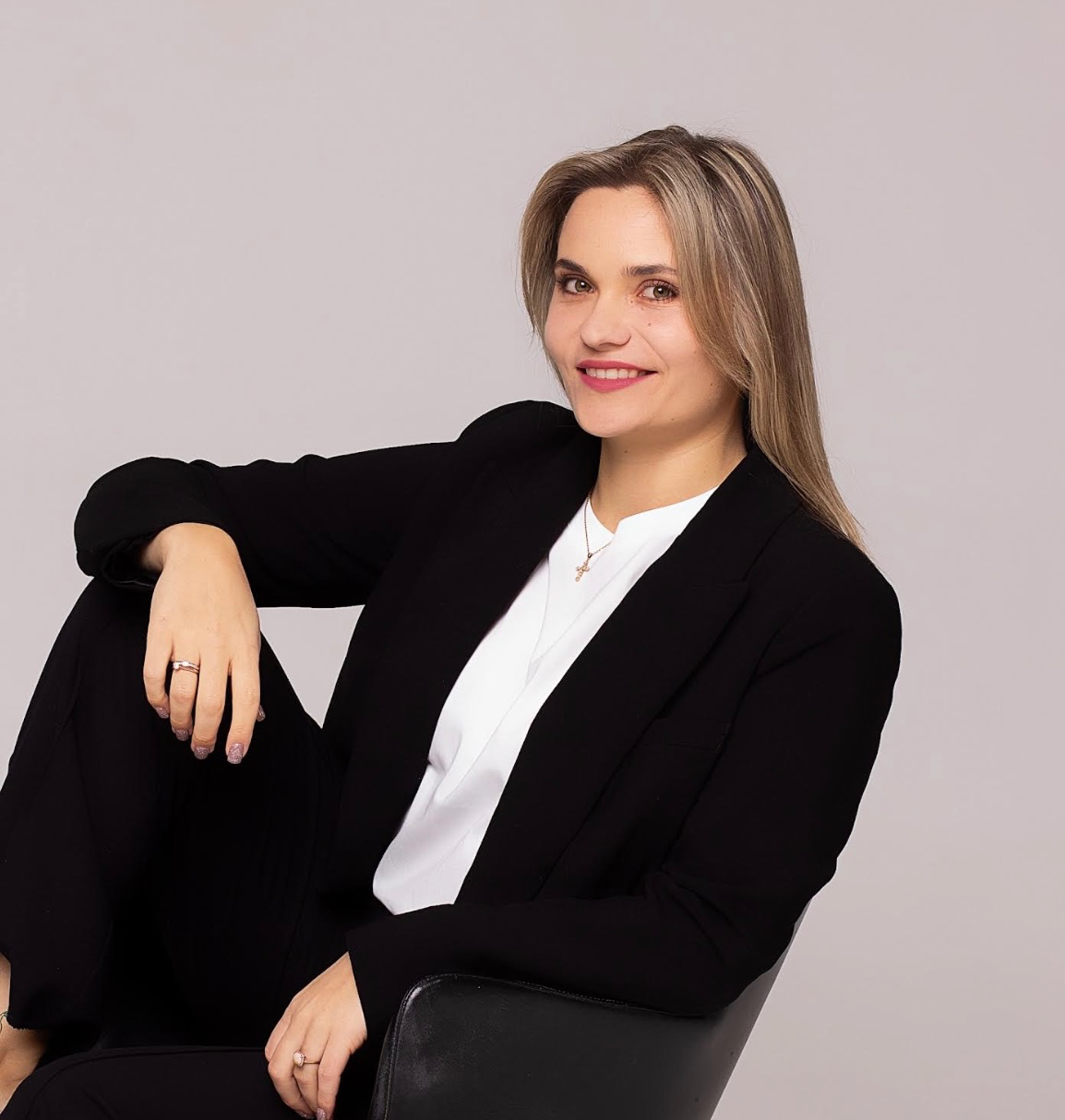
Can you share your journey into iGaming and what inspired you to build your career?
I entered the iGaming industry completely by accident. Before that, I worked as a sports gymnastics coach, and one of the parents of the children I trained offered me a position at their company. It was an SEO affiliate company, and I initially joined as an office manager without really understanding how large and dynamic the industry was.
Over time, I became more involved in different areas of the business. I moved into recruitment, then HR, and during COVID, the company had to restructure. Several employees left, and I took over many of their responsibilities. That was the turning point for me professionally. I started working directly with partners, handling account management, learning analytics, conversions, financial metrics, and understanding how affiliate partnerships really operate behind the scenes.
Later, I was offered the opportunity to choose between continuing in HR or focusing fully on sales and business development. I chose sales because I enjoyed communication, negotiations, strategy, and building long-term relationships.
After that, I joined SEOBROTHERS, where I was given many opportunities for growth. I quickly became a team lead, then Head of Business Development for casino and betting partnerships, and eventually Chief Business Development Officer and a member of the board.
What gap in the market did SEO Brothers identify, and how did the brand set out to address it?
One of the biggest gaps we noticed in the market was the lack of truly high-quality affiliate products. There are many casino review websites online, but very few provide honest, detailed, and genuinely useful information for players. Too often, affiliate websites focus only on ranking highly in Google instead of building trust with users or creating a valuable product experience.
We wanted to approach things differently. Our goal was not simply to drive traffic but to create platforms that people actually enjoy using and can rely on. For example, on the betting side, we saw a lack of products where users could easily compare the best odds across operators in one place. On the casino side, we wanted to create detailed slot reviews, transparent casino comparisons, and spaces where players could leave honest feedback without censorship.
Many websites remove negative reviews or only highlight positive experiences because of commercial interests. We believed that transparency creates stronger long-term trust with users and partners alike. That philosophy became a major part of how we built and developed our projects.
For us, success has never been only about SEO rankings. It has always been about building products that provide real value to players while maintaining strong and transparent relationships with operators and partners.
As a woman in a leadership position within iGaming, how has this shaped your approach?
Being a woman in a leadership position within iGaming has definitely shaped the way I approach business and team management. I believe women often bring a strong combination of analytical thinking, emotional intelligence, and multitasking abilities, which are extremely valuable in a fast-moving industry like ours.
Personally, I always try to understand every detail of a situation, whether it involves partnerships, analytics, negotiations, or internal processes. I like to look deeper, identify issues early, and notice things that others may overlook. In affiliate marketing and business development, small details can have a huge impact on long-term results, so this mindset has helped me significantly throughout my career.
At the same time, my experience has also shown me that women in this industry sometimes still face limitations. In one of my previous companies, I felt that leadership opportunities were more naturally associated with men, and my growth was restricted because of that perception. It was frustrating, especially knowing I was capable of much more.
When I joined SEOBROTHERS, the situation was completely different. The company gave me opportunities, trusted my abilities, and allowed me to prove myself through results and leadership. I am very grateful to the owners for supporting my professional growth and allowing me to fully develop my skills and potential.
What challenges or barriers have you faced and how did you overcome them?
Although I joined SEOBROTHERS as an already established business rather than building it from scratch, there were still many challenges that came with scaling and operating in such a competitive industry.
One of the biggest challenges has always been adapting to Google's constantly changing requirements and algorithm updates. In affiliate SEO, things can change extremely quickly. A website that performs well today can suddenly lose rankings tomorrow if Google changes its approach. This forces companies like ours to stay flexible, react fast, and continuously improve both content quality and technical performance.
Another major challenge has been market regulation. As more countries and regions regulate online gambling, affiliates and operators face increasing compliance requirements. Different markets have different rules regarding advertising, responsible gambling messaging, player acquisition, and promotional content. Keeping up with these regulations requires constant monitoring and strong cooperation with partners.
Hiring has also been a significant challenge. It is very difficult to find highly skilled professionals who are motivated, adaptable, and genuinely passionate about what they do. In such a fast-paced industry, technical skills alone are not enough. We value people who are proactive, open-minded, and able to work well under pressure while still maintaining strong human relationships within the team.
What have been the key decisions, strategies, or turning points that have contributed most to your growth and success?
One of the key factors behind our growth has been focusing on people and long-term relationships rather than only short-term results. Internally, we strongly believe that when you genuinely support your team, invest in employees, and create an environment where people feel valued, they return that energy through motivation, loyalty, and performance.
Another major factor has been flexibility. The iGaming and affiliate industries change constantly, and companies that cannot adapt quickly usually struggle to survive. We learned early that success requires fast decision-making, rapid implementation, and the ability to react immediately to market shifts.
Sometimes this means rewriting large amounts of content, changing domains, launching new projects quickly, or restructuring workflows in response to Google updates or market regulations. Our industry does not allow stagnation. You always need to move forward, test new ideas, and stay ahead of trends.
We also focused heavily on building strong, transparent, and long-term partnerships with operators rather than chasing only fast traffic or short-term profits. In affiliate marketing, trust and communication are extremely important. Strong relationships with partners create stability, better collaboration, and more sustainable growth over time.
Ultimately, our success has come from combining adaptability, teamwork, transparency, and a willingness to constantly evolve alongside the market.
What would you like to see the iGaming industry doing more of to better support and promote female leadership?
I believe the iGaming industry has made significant progress in recent years when it comes to diversity and inclusion, but there is still a lot of room for improvement, especially regarding female leadership.
One of the most important things the industry could do better is create more visible opportunities for women to grow into leadership roles. In many companies, women are still underrepresented in senior management and decision-making positions, particularly in areas connected to strategy, business development, and operations. Sometimes talented women simply need more trust, mentorship, and opportunities to demonstrate their capabilities.
I would also like to see more mentorship programs, networking initiatives, and leadership communities specifically designed to support women in iGaming. Having access to experienced mentors and professional support systems can make a huge difference, especially early in a career.
Another important aspect is changing outdated stereotypes about leadership styles. Strong leadership does not look the same for everyone, and diverse perspectives often lead to better business decisions, stronger communication, and healthier company cultures.
Ultimately, I think the industry benefits when companies focus on talent, professionalism, and results rather than gender. Creating equal opportunities and encouraging diversity in leadership will only make the iGaming space stronger, more innovative, and more sustainable in the long term.
What changes would you like to see in the iGaming industry more broadly, and what advice would you give to other women looking to launch or scale a business in this space?
Looking ahead, I would like to see the iGaming industry become more transparent, sustainable, and relationship-driven. The market is becoming increasingly competitive, regulated, and data-focused, which means companies can no longer rely only on aggressive growth strategies or short-term thinking.
I believe trust and transparency will become even more important in the future, especially between affiliates, operators, and players. Strong partnerships are built on honest communication, reliable reporting, and shared long-term goals. Companies that focus on these principles will have a much stronger position in the industry moving forward.
I would also like to see more emphasis placed on product quality and user experience rather than only traffic acquisition. Players are becoming more informed and selective, so creating genuinely useful, trustworthy platforms will become increasingly valuable.
For women who want to build or scale a business in iGaming, my biggest advice would be not to underestimate themselves or wait for permission to grow. This industry moves very fast, and confidence, adaptability, and initiative are incredibly important. It is also essential to stay curious, continue learning, and not be afraid of challenges or responsibility.
Most importantly, surround yourself with people who support your growth, recognize your value, and push you to develop professionally and personally.
Claire Painting, Chief Experience Officer (CXO) at AxiumAI
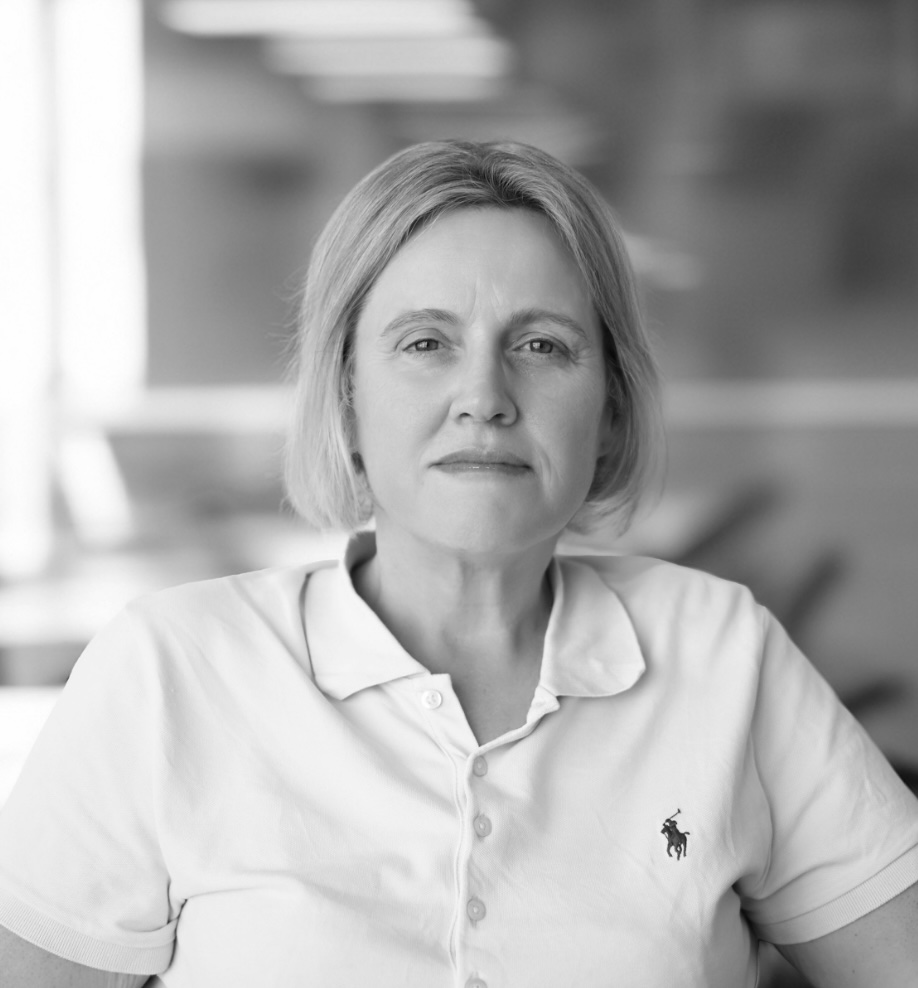
Can you share your journey into iGaming and what inspired you start your career?
My journey into iGaming started in 1999 when I joined Ladbrokes straight out of university. Having always been passionate about sport, particularly football and horse racing, and enjoying the occasional play on the fruit machine or pub quiz game, the opportunity to work in the gaming industry felt like a perfect fit. That said, it wasn't part of some grand plan; when I first arrived in London with a Chemistry PhD, I certainly didn't expect to build a career in gaming.
What began as an exciting first role quickly turned into a lifelong passion. Over the past 25 years, I've had the privilege of working across some of the industry's biggest global brands, witnessing first-hand the incredible evolution of gaming from retail betting shops to today's highly sophisticated digital experiences.
The inspiration to join my current business came from the challenges I encountered throughout my career. Like many, I saw opportunities to improve efficiency, decision-making and customer experiences, but the tools available often fell short. When the chance arose to partner with former colleagues and leverage the latest advances in AI to solve real operational problems and improve the customer experience, it was an opportunity I couldn't pass up.
For me, it's the ideal combination of everything I've enjoyed throughout my career: innovation, technology, problem-solving, and helping businesses perform better in an industry I've been passionate about for more than two decades.
What gap in the market did AxiumAI identify, and how did the business set out to address it?
There was an inability to turn the large volumes of data we had into truly personalised player engagement at scale.
Throughout my career across marketing, product and customer experience, we've always talked about delivering the right message to the right customer at the right time. In practice, this was incredibly difficult to achieve. Operators had access to huge amounts of customer, betting and game data, but creating and delivering relevant, personalised communication in real time required too many content variations, too much manual effort, and technology that simply wasn't capable of processing all the available inputs.
The emergence of AI changed that. We saw an opportunity to solve a problem that operators had been facing for years by combining player behaviour, betting preferences, game statistics and real-time in-game events to generate personalised engagement at scale.
Our business was built to bridge that gap. By leveraging AI, we enable operators to deliver more relevant, timely and effective communications throughout the player journey, creating a better customer experience while also driving improved engagement and revenue.
As a woman in a leadership position within iGaming, how has this shaped your approach?
Working in iGaming for more than 25 years, often in environments where women have been underrepresented in leadership roles, has reinforced the importance of confidence, resilience and authenticity.
One of the biggest lessons I've learned is that while you need absolute confidence in the value your product delivers, you also need to remain open to feedback and different perspectives. I've always believed the best outcomes come from listening- whether that's to clients, colleagues or the players ultimately using the product.
That approach has shaped how I operate today. We are passionate about what we're building, but we never assume we have all the answers. We focus on understanding real operator challenges, listening carefully to feedback and continuously evolving our solutions to meet the needs of operators and players alike.
For me, successful leadership is about combining conviction with curiosity: having the confidence to back your vision while remaining open to learning and adapting along the way.
What challenges or barriers have you faced and how did you overcome them?
One of the biggest challenges has been giving operators confidence that AI can be applied in a trusted way to scale up their content output and maintain their brand identity.
There is a huge amount of excitement around AI, but there is also understandable scepticism. The iGaming industry is highly regulated, and operators need confidence that any new technology is reliable, compliant, the content output is 100% trusted and capable of delivering real business value.
To overcome this, we've focused on solving specific business problems rather than selling AI for AI's sake. Drawing on our own experience as operators, we understand the day-to-day challenges our clients face, which allows us to demonstrate clear use cases and measurable outcomes. We understand that development backlogs can be long, so we ensure our solutions integrate as easily as possible into their platforms.
By combining deep industry expertise with innovative technology, we've been able to demonstrate trust and value.
Ultimately, we've overcome these challenges by staying focused on customer needs, delivering tangible results, and ensuring that innovation is always driven by solving real challenges and opportunities.
What have been the key decisions, strategies, or turning points that have contributed most to your growth and success?
One of the most important principles behind our success has been maintaining a relentless focus on the end customer.
While a great deal of work goes into defining a product and building a vision, I've learned throughout my career that no product is truly finished when it's launched. The real validation comes from the people who use it every day. One of the key decisions we've made as a business is to involve clients early, listen carefully to their feedback, and continuously refine our products based on real-world usage.
Rather than assuming we know all the answers, we've adopted an iterative approach. We test, learn and evolve, ensuring that every enhancement is driven by genuine client needs rather than internal assumptions. This not only helps us build betterproducts, but also strengthens relationships with our clients because they become active partners in the development process.
Ultimately, our success has come from staying close to our clients and ensuring that everything we build solves a real problem or delivers against an opportunity with measurable outcomes.
What would you like to see the iGaming industry doing more of to better support and promote female leadership?
I have been extremely fortunate to work with some outstanding leaders throughout my career in iGaming, and I've learned a tremendous amount from both male and female colleagues along the way.
The industry has evolved significantly over the past 25 years. It is no longer defined by the stereotype of male-dominated betting shops; today's iGaming sector is far more diverse, inclusive and customer-focused, both in retail and online. I've seen real progress in attracting and developing female talent across many areas of the business.
That said, there is still more work to do when it comes to representation in senior leadership roles. Women are often well represented in areas such as retail operations, customer services and marketing, but the balance becomes less even at executive and board level.
I'd like to see the industry place even greater emphasis on mentoring, sponsorship and leadership development opportunities for women. Visibility is also important. When aspiring leaders see women succeeding in senior positions, it helps demonstrate that those opportunities are achievable.
Ultimately, the goal shouldn't be leadership roles for women for the sake of it; it should be ensuring that the best talent has the opportunity to progress and contribute. The more diverse the perspectives around the leadership table, the better the decisions, innovation and outcomes for our businesses and customers.
What changes would you like to see in the iGaming industry more broadly, and what advice would you give to other women looking to launch or scale a business in this space?
The iGaming industry is an exciting sector to be part of because it continues to evolve at pace. One of the biggest opportunities I see is for the industry to make even better use of the vast amounts of data available to create more personalised, engaging and responsible player experiences. Advances in AI and data analytics are giving operators the ability to understand customer needs in real time and deliver experiences that are more relevant than ever before.
At the same time, I'd like to see the industry continue to invest in innovation while maintaining a strong focus on responsible gaming and customer outcomes. The businesses that will be most successful in the future will be those that use technology not just to drive performance, but to create genuine value for their customers.
For women looking to launch or scale a business in iGaming, my advice would be to back yourself and your expertise. If you have identified a real problem and have a solution that delivers value, don't be afraid to put yourself forward. Build a strong network, seek out mentors, listen to your customers, and be prepared to keep learning. The industry is full of opportunities for people who are passionate, resilient and willing to challenge the status quo.
Most importantly, focus on solving real customer problems. Technology will continue to evolve, but businesses that truly understand their customers and deliver meaningful outcomes will always stand out.
Mila Terzi, COO, ENJOY Gaming
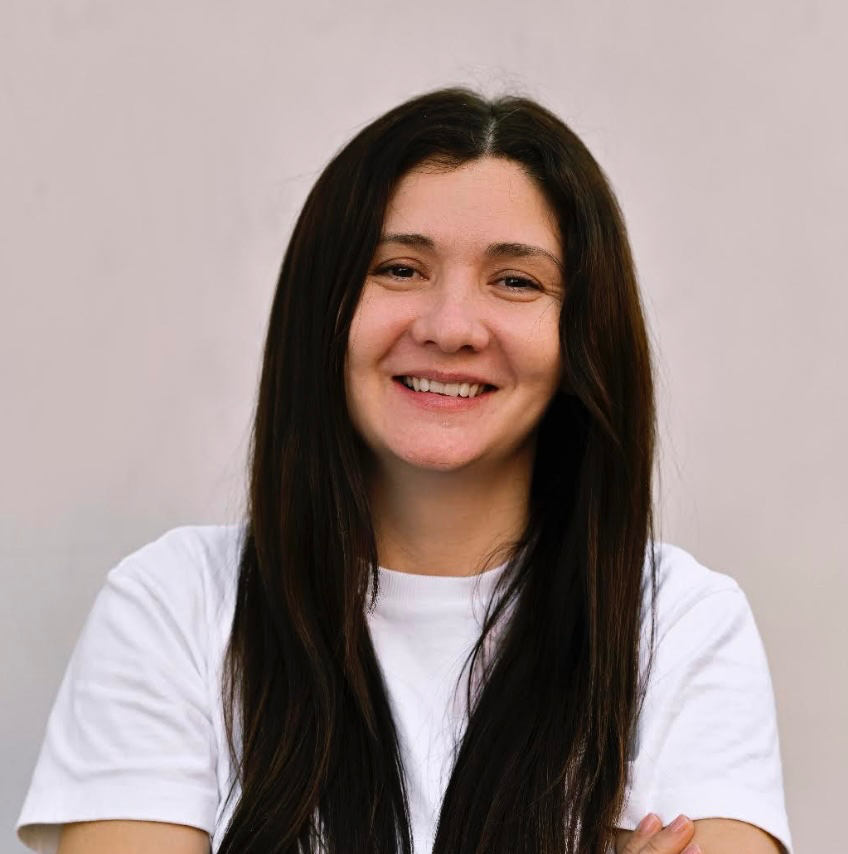
Can you share your journey into iGaming and what inspired you to build your career?
My iGaming career began more than 15 years ago as a tester, and that early role sparked a lasting focus on the product side of the business. Within the first 12 months, I stepped into management and have continued building from there ever since. What drew me to the industry then is still what keeps me engaged now: it never stands still. Just when you think you have it figured out, the market shifts or regulations change. That constant need to adapt isn’t a drawback; it’s what makes the industry so compelling.
What gap in the market did ENJOY Gaming identify, and how did the business set out to address it?
Across different companies and leadership roles, I’ve repeatedly seen the same gap: the disconnect between a product that is technically strong and an experience that users and players genuinely enjoy. The two are not the same. You can build a game with impressive technology, but it will not succeed if the right systems are not in place to support it. My focus has always been twofold: create something truly competitive, then build the structure that allows people to fully experience and engage with it. Both have to be strong for the business to grow.
As a woman in a leadership position within iGaming, how has this shaped your approach?
Women in iGaming leadership roles are no longer the exception, and the industry is stronger for it. My own approach is defined by precision, adaptability, and a commitment to maintaining clarity rather than reacting with rigidity. These are often labelled as ‘soft’ skills, but in reality, they are critical leadership strengths, and I’ve seen significant commercial results driven by them. Strong leadership is not about volume or force; it’s about making the right decisions consistently.
What challenges or barriers have you faced and how did you overcome them?
Every leadership role I’ve taken on has come with the same brief: fix everything, immediately, and on an impossible timeline. The pressure is real and relentless. My response has always been the same: start with a full audit of the team, processes, product, and finances before changing anything. Then earn the trust of the people around you. Only after that can you build a plan worth executing. One of the biggest mistakes leaders make under pressure is skipping the diagnosis and rushing straight into action, and that almost always costs more time in the long run.
What have been the key decisions, strategies, or turning points that have contributed most to your growth and success?
Technology and innovation matter, but the decisions that have had the greatest impact on my growth have always come back to people. It starts with hiring intentionally, trusting your team to do their jobs, and building an environment where strong performers do not need constant management to succeed. When the right people are in the right roles, with the right support around them, results follow. That is not idealism, but one of the smartest investments a leader can make.
What would you like to see the iGaming industry doing more of to better support and promote female leadership?
Women are well represented across iGaming, but what is still missing are the support structures that help sustain female leadership at the top. Men in the industry have long-established professional networks, and that level of infrastructure matters. What we need is not just another panel or event, but ongoing, structured communities where C-level women can exchange experiences, challenge one another, and build the professional trust that leads to real opportunity. Some initiatives do exist, but too often they are one-off or situational rather than systematic.
What changes would you like to see in the iGaming industry more broadly, and what advice would you give to other women looking to launch or scale a business in this space?
I would like to see less of the stereotype that negotiating with men at C-level is somehow easier. It is not only inaccurate, but it also misrepresents what strong leadership actually looks like. The women I know in this industry are rigorous, high-performing, and exceptionally skilled at handling complexity. They deliver more rather than asking for less.
To any woman thinking about building a career or business in iGaming: the tools are there, access is possible, and the market is more open than ever. My advice is simple: do not let fear make your decisions for you. And don’t delay for the perfect moment. Step in with confidence, learn quickly, and build from there.
Sarah Blackburn, Founder and Director of GameOn
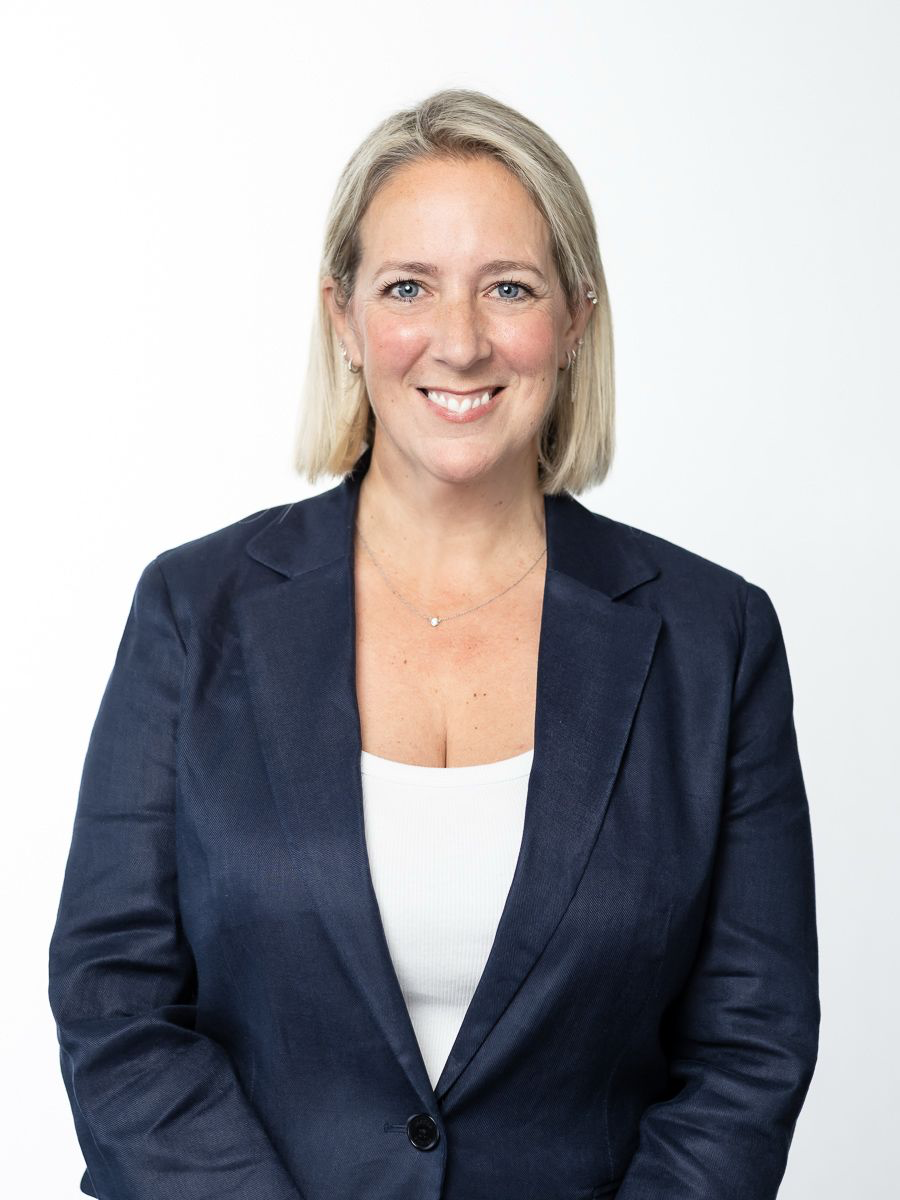
Can you share your journey into iGaming and what inspired you to launch or build your business?
I joined iGaming 21 years ago after joining a large software provider to manage all its marketing and PR initiatives. Previously I had worked agency side, largely representing local financial institutions and retail businesses. The iGaming industry’s marketing landscape was very different back then, with most activity being aimed at a handful of industry events, print media and bespoke events. It was also a much more closer knit industry and we all knew we were on the cusp of something huge as the sector started to boom.
A couple of years later, I was looking for my next move and after consulting with industry friends who were leading the recruitment sphere at that time, encouraged me to start my own PR agency. At that time, I had moved to London and was at a crossroads with no real plan and I really had nothing to lose once I had secured my first client that was happy to take a chance on working with me.
What gap in the market did you identify, and how did your business set out to address it?
We started off as a traditional PR agency but it changed shape pretty quickly and we became an agency that assisted with the fulfilment of a number of different marketing initiatives. This could range from sourcing collateral and messaging for DM campaigns, flying to Paris to present a giant cheque to a jackpot winner, writing editorials for publications and flying to Vegas to network with event organisers and affiliates.
It was approximately twelve years ago when we decided to take a pause and decide what direction we wanted the business to travel in and where the true gaps were. This is when we decided to focus purely on B2B and since then we’ve built out our offering to not just include PR but also social media management and fractional CMO services. We also have partners that provide additional services as and when required and depending on complexity and budgets.
As a woman in a leadership position within iGaming, how has this shaped your approach to building and running your business?
I’m not sure that being a woman in a leadership position has specifically helped shape my approach to building and running my own business. That being said, what has helped shape my approach is having the right people to partner with which includes my husband Andy Blackburn who joined me as co-owner 12 years ago. Leadership is understanding that although you have the passion and strategy to launch and drive your business, it’s important to recognise your own weaknesses and lean on your team to help deliver the product or service you want to be recognised for.
Over the last 12 year, we have steadily built a team of exceptional people that have helped establish GameOn as the agency that offers the best customer service and really listens to and finds solutions on behalf of our clients.
Leadership is also about taking risks and being prepared to put your hands up when things don’t always go to plan because everything is a learning. And if you can show your team that there will always be hurdles to overcome but that there is always a solution if you work together, then that’s also a good reflection of leadership done well.
What challenges or barriers have you faced in launching or scaling your business, and how did you overcome them?
The greatest challenge launching the business was lack of security and not knowing “what comes next” because I started the business with just one client on a temporary contract. I knew that would at least cover my rent, keep the lights on and feed me. One became two and then three and as the client base grew, the next challenge was learning to turn work down that didn’t really fit my comfort level for delivery. Anyone launching a start-up knows that from the moment you launch, in order to succeed, you need to hustle. And that’s what I did but at some point that had to stop and the business had to become more strategic as to the types of businesses we wanted to work with but more than that – we could exceed expectations of what was required from a PR agency. As the business grew in momentum, the next challenge is scaling but that happened very organically for GameOn and remains that way. Everyone that works for us have been people that I’ve either known for years, some with no or little industry experience but all have something inherent in them, and that’s to want to deliver the very best customer service experience to our clients. Industry knowledge can be taught, but really caring about the people you’re working for, is not something that can be learned. It’s in you. Therefore if we see someone that we think is a great fit for GameOn, we start having conversations ASAP, even when we’re unsure as to where in the business they will sit.
What have been the key decisions, strategies, or turning points that have contributed most to your growth and success?
There were a couple of turning points. Not long after starting GameOn, there was a global recession and I think it was the first of its kind since the emergence of iGaming. This had a huge impact on all suppliers as budgets were put on hold for a few months until clients understood the ramifications on their own businesses. One by one, all our clients, but one, cancelled their contracts and we had a three month period of uncertainty until confidence in the market rallied. The lesson learned was to have money in reserve for periods of unrest that are completely out of your control. The next turning point was lockdown which is when we decided to pivot to being a strictly B2B business because the demand for an agency that truly understood this sector of the industry was high, and companies were looking for support and advice during a time when the world stood still for a few months. Once that decision was made, we invested in the right people and grew the business very considerately and with the firm belief that if your clients were successful and could attribute some of that success to a well thought out and implemented PR strategy – then we, in turn would be successful.
What would you like to see the iGaming industry doing more of to better support and promote female leadership?
I have the priveldedge of being part of a number of femle led communities and the commaraderie and support for each other is palpable. There is no real political agenda but instead, it’s transparency, the sharing of information and levelling each other up without any additional motive and that is amazing to see and be part of.
I also think the industry as a whole is making huge strides to support female leadership but I also don’t think this should be limited to “just” a gender discussion and the topic should be more emcompassing as to what is the industry doing for diversity at all levels of a business. I think it’s quite easy for companies to celebrate annual anniversaries e.g. International Women’s Day, Pride Month etc and it looks great on social media, however it would be interesting to find out how many companies are also implementing social change within their organisations on a year round basis.
What changes would you like to see in the iGaming industry more broadly, and what advice would you give to other women looking to launch or scale a business in this space?
I’ll start off with the advice. If you are a woman looking to launch and/or scale a business, then if the numbers work and the demand is there, then don’t spend time hesitating and waiting for the right time. The right time never comes around. Back yourself and your decisions and if your expecations are realistic, then you’ll never regret starting sooner.
Also surround yourself with people that are happy and proud to support you publicly and leverage your network as much as you can. Don’t be afraid to ask for help and let people know how much their support means to you because we have all been in similar positions, even if not for the same end goals.
Only changes I’d like to see in the iGaming industry is the erradication of “Top Most Influential” in iGaming posts and the way they are celebrated when they are absolute nonsense. I would also like to see more of a spotlight on junior members of staff and not only focused on C Level. These people are the future of iGaming and their points of view should be asked for and valued.
Sara Hagge, CEO of Nordic Partners

Can you share your journey into iGaming as well as your current role and key responsibilities
I’m the CEO of the affiliate network Nordic.Partners. We’re a small, fully remote team with big ambitions. My job is to make sure we’re moving in the right direction — hitting our targets, growing the business and creating the right conditions for the team to succeed. I’m hands-on and naturally curious. I like questioning how we do things, finding ways to improve and then actually making things happen. For me, leadership is about taking responsibility, making decisions and bringing out the best in the people around you.
Can you share some of your career highlights and achievements?
I come from a marketing and communications background and entered iGaming as an Affiliate Manager. I worked my way from junior to senior, before moving into CRM and then becoming Head of Acquisition. Every role taught me something new and gave me a broader understanding of the business. Becoming a CEO was never the plan. I’ve always been goal-oriented and drawn to solving problems and improving things, so I simply kept taking on whatever needed to be done. The titles followed the work. I’m proud of that journey — and of never being afraid to step into something new before I had all the answers.
Do you have any advice, insights, or perspectives you want to share?
Make sure you’re in the driver’s seat of your own life. Take responsibility for your choices, your actions and where you want to go. Don’t compare yourself to others. Compare yourself to who you were five years ago — or even yesterday. Sometimes we get dealt a shitty hand, and things won’t always go our way. But you always have a choice: take action or surrender. You won’t always make the right decision. But once you’ve made one, you need to make it right. Own it, learn from it and keep moving. I think that mindset has shaped a lot of my career. I’ve never had a perfectly mapped-out plan. I’ve just tried to take responsibility for where I am, make the best decision I can with what I know at the time, and keep moving forward.
Aarti Carl, Chief People Officer, Eeze
Can you share your journey into iGaming and/or what inspired you to launch your career?
I began my career in gaming in land-based casinos before moving into the online side of the industry.
What has kept me in iGaming is its unique mix of global growth, regulation, and innovation, along with the challenge of building organisations that can move quickly without losing clarity, accountability, or culture.
Stepping into a Chief People Officer role during a scaling phase gave me the opportunity to shape not only the people function, but also the way the organisation grows—helping to put the right structures, leadership capability, and culture in place from the outset.
What gap in the market did Eeze identify, and how did the business set out to address it?
From a Chief People Officer perspective, the opportunity wasn’t product-led—it was organisational.
In high-growth iGaming businesses, there’s often a gap between commercial scaling and organisational maturity. Companies expand quickly across markets, but without the same level of discipline in:
Decision-making frameworks
Leadership capability
Cultural consistency
Our focus is to address that gap—ensuring we scale in a way that is intentional, structured, and sustainable, where people strategy is fully integrated into business strategy, not running alongside it.
As a woman in a leadership position within iGaming, how has this shaped your approach?
As a CPO operating in a still male-dominated industry, my leadership approach has been shaped by the need to create clarity, challenge bias, and build truly inclusive leadership environments.
That shows up in a few ways:
Being deliberate about diverse leadership representation, not leaving it to chance
Embedding fairness and consistency in decision-making processes
Creating space for different perspectives to influence outcomes
At a leadership level, it’s less about being a “female leader” and more about ensuring that the system itself doesn’t unintentionally favour one type of leader over another.
What challenges or barriers have you faced and how did you overcome them?
Scaling an iGaming business brings a distinct set of people and organisational challenges:
Rapid global expansion across multiple locations
High competition for specialist and leadership talent
Pressure to move quickly, often ahead of organisational infrastructure
One of the biggest risks I’ve seen is outgrowing your operating model—where ways of working that suited a smaller business no longer hold at scale.
The way to overcome this is by investing early in foundations:
Clear organisational design and accountability
Strong governance and decision-making discipline
Leadership development, not just external hiring
Done well, this doesn’t slow growth—it enables it.
What have been the key decisions, strategies, or turning points that have contributed most to your growth and success?
From a CPO lens, the biggest drivers of sustainable growth have been:
Alignment between business strategy and people strategy
Building Strong leadership capability at every level, not just at the top
Clarity in roles, ownership, and decision rights
A culture that is actively shaped and reinforced, not left to evolve by default
A critical turning point is when organisations recognise that people and organisational effectiveness are not support functions—they are core levers of business performance.
What would you like to see the iGaming industry doing more of to better support and promote female leadership?
The industry is making progress, but the next step is to turn good intentions into measurable, lasting change.
To better support and promote female leadership, the industry should focus on three priorities:
Build structural inclusion by making promotion pathways, decision-making processes, and reward systems fair and transparent.
Hold leaders accountable for diversity outcomes, rather than treating inclusion as an HR responsibility alone.
Increase senior-level sponsorship so more women are actively championed into stretch roles, visibility, and progression opportunities.
Representation matters, but what matters most is whether women have real opportunities to progress, shape decisions, and hold influence.
What changes would you like to see in the iGaming industry more broadly, and what advice would you give to other women looking to launch or scale a business in this space?
Looking ahead, iGaming will continue to evolve at pace, but sustained success will depend on organisations becoming more mature in how they operate, lead, and scale.
What the industry needs next
Scalable operating models that can support global growth
Investment in leadership and capability building
A sharper focus on culture as a competitive advantage
Advice for women entering or progressing in iGaming
Be clear about the value you bring, and don’t wait for external validation.
Seek out environments where you will be challenged, stretched, and given visibility.
Most importantly, align yourself with leaders who will actively sponsor your growth, not just support it—and stay ambitious.
Aberdeen Hinze, Co-Founder and Chief Operating Officer of The Fortune Engine and Mirror Image Gaming.

Can you share your journey into iGaming and what inspired you to build the business?
My path into iGaming began in an office management role, not exactly at the coalface of the industry, but it opened a door I hadn't expected. When the business pursued ISO 27001 certification for regulated jurisdictions, I stepped into a cyber and information security remit, which meant documenting processes across game development lifecycles, commercial operations, and compliance. That work gave me an unusually holistic view of what it actually takes to run a studio. From there, the idea of founding one myself stopped feeling like a stretch. I've always gravitated toward a challenge, and building something from the ground up with genuinely differentiated ideas felt like the right kind of risk.
What gap in the market did you identify, and how did you set out to address it?
Having worked across both regulated and crypto markets, I noticed distinct differences in player behaviour across age demographics, what engages people, what retains them, and what they actually want to play. What struck me was how underserved the Gen Z and Millennial audience was in iGaming. These are players who grew up on console and flash-style games, and yet the industry kept defaulting to traditional slots. We set out to establish MIG as a Burst Game specialist a mechanic that aligns far more naturally with how that audience already plays. If you're going to have a flutter, why not do it on a game that actually resonates with you?
As a woman in a leadership position within iGaming, how has this shaped your approach to building and running your business?
I think what I bring to the table differs from some of my co-founder counterparts in ways that have genuinely shaped how we operate and I mean that positively. I'm highly analytical, perhaps even a little OCD about it, which feeds into the decisions I make every day. But I'm equally comfortable with calculated risk-taking, and I spend a significant amount of time weighing not just risk, but opportunity. Having a diverse founding team means we each bring different frameworks and levels of awareness to the same problems and finding the balance between those perspectives has been one of our real strengths.
What challenges or barriers have you faced in launching or scaling your business, and how did you overcome them?
I've read a lot of the founder literature, and all of it tries to prepare you for the hard parts. None of it quite compares to the reality of being in it. One of the things that surprised me most was how long it takes to develop a truly grounded vision and business model, not the version that looks good on a pitch deck, but the one that actually holds up when you're living and breathing the business every day. We've taken a deliberately lean approach to headcount, which means everyone wears many hats. That's challenging, but it's also meant we've stayed close to who we are and what we're trying to build, rather than scaling before we were ready.
What have been the key decisions, strategies, or turning points that have contributed most to your growth and success?
I've had to learn when to let go. My instinct to analyse everything can become counterproductive if I'm not careful, and one of my biggest lessons has been understanding how much analysis is appropriate within a given timeframe and when to simply move on. Founding two companies in a complex global environment means some things will always be imperfect. What's kept us moving is ruthless prioritisation, celebrating the small wins, and maintaining a realistic but optimistic view of progress. The other thing I'd say is: never underestimate your capacity to learn something entirely new. This year I've been building frontend code for The Fortune Engine platform something I had no formal background in. Showing up consistently, even when you're bad at something before you're good, turns out to be the whole game. Who would have thought?
What would you like to see the iGaming industry doing more of to better support and promote female leadership?
Across technology industries, we tend to see women thriving in commercial facing roles and rightly so. But what I'd love to see more of is women occupying executive roles on the technical side: Chief Technology Officers, Chief Product Officers, heads of product and engineering. I've worked with incredibly talented female game developers and mathematicians over the past decade, and I have no doubt they'd make exceptional technical leaders. As more women in STEM enter the workforce, the industry has a real opportunity and responsibility to ensure those career pathways lead all the way to the executive table.
What changes would you like to see in the iGaming industry more broadly, and what advice would you give to other women looking to launch or scale a business in this space?
I'd like to see more genuine risk taking in game development. The industry has a tendency to default to what's proven, and while that's commercially understandable, it's also limiting particularly as audience demographics shift. I suspect it'll be the smaller studios that push the envelope and demonstrate what a new generation of players actually wants. For women looking to launch or scale in this space: make sure you're surrounded by the right specialist support from day one. Commercial, technical, and product expertise knowing where your gaps are and filling them early is what gives you the best chance of hitting the ground running.
Alex Wilson, Head of Marketing Division at GameOn
Can you share your journey into iGaming and what inspired you to launch or build your business?
I’ve always been driven by human behaviour and what shapes outcomes. That curiosity began in psychology and research before leading me into marketing, where I spent around a decade working across the third, public and private sectors. My first agency appointment gave me a taste for iGaming marketing, and soon after I was offered an in-house position at Microgaming. I started in internal comms, but my remit grew steadily over several years and I left as Head of Marketing and Customer Operations.
That period gave me a firm grounding across corporate comms, PR, content marketing, affiliation, digital, events and creative – and, just as importantly, wider exposure to iGaming businesses through partnership marketing. It taught me that it wasn’t Microgaming alone that inspired me, but the pace, focus and drive of the broader iGaming landscape. Having worked both sides of the agency relationship, and with GameOn as a supplier, I also gained the confidence to help shape its fractional CMO service. The concept behind GO CMO existed for months before Sarah and I made it a reality, but the gap was clear – businesses of every size were missing strategic marketing direction delivered flexibly. Eighteen months on, my motivation is unchanged.
What gap in the market did you identify, and how did the business set out to address it?
The opportunity grew out of our existing PR clients – businesses that had engaged GameOn for B2B iGaming PR, our bread and butter across nineteen years in the space. Many of them weren’t seeing the full potential of a strong PR strategy, because there was no senior marketing leadership guiding it. PR was delivering results, but to what end?
In most cases, PR was engaging directly with a C-suite that had limited marketing experience, a functional specialist removed from PR, or a junior marketer acting as a point of contact. None of them were positioned to own the strategy that PR and marketing should serve. That was the gap. Covid created the opening with a shift to remote and flexible working, combined with an influx of senior marketing talent from top-tier employers undergoing restructures, which meant businesses were suddenly open to flexible solutions they had seen work in practice. So we brought the two together – senior marketing leaders who could build a departmental strategy, represent marketing in the boardroom, unite a team behind a plan and report measurable impact against the triple bottom line. Backed by established PR, social, affiliate and events functions, the fractional CMO model became a genuinely compelling proposition.
As a woman in a leadership position within iGaming, how has this shaped your approach?
GameOn is a female-dominated agency in a male-dominated industry, and I’ve been fortunate to experience strong male and female leadership across my career. Although it’s not exclusive to women, I’ve observed female leaders take on a broader remit in areas male leaders will often defer elsewhere. There’s a balance of people and task focus – understanding individual strengths and motivations, shaping the team around them rather than a rigid job description, and adjusting your style as those motivations evolve. Those are principles I try to carry with me every day.
It’s a sweeping generalisation, and not intended as one, but women are quick to take things on and would often benefit from pausing to consider who is best placed for the task. Mastering delegation is something I’ve seen done well by men and women alike, and it’s something I’m mindful of in my own role. Equally, women-led teams often turn to one another to solve complex challenges, because the team is united and understands each other’s strengths – something I’ve admired and been part of. And as a mum hiring mums, I know first-hand how powerful flexible working can be, for colleagues as much as clients. Happy team, happy clients.
What challenges or barriers have you faced and how did you overcome them?
Some parts of the industry still prefer to hire permanent, in-house team members, but it can be difficult to find the full package in one person – and often the need arises before a full-time role is justified. Businesses either delay the hire and miss opportunities in the meantime, or carry a senior salary that isn’t fully utilised, which is costly when that person isn’t operating at capacity.
The fractional model is a growing concept, but it takes some explaining, particularly at the level we come in at. Many businesses haven’t experienced C-level marketing leadership before, so part of our job is guiding clients through where the team adds value and how that works across the business in practice. Others are interested but lack the bandwidth to prioritise marketing, especially during high-growth periods when it’s all hands on deck. In my view, that’s precisely when marketing should be prioritised – and our CMOs need minimal time investment to get going. The bigger barrier is the perception of marketing as a supporting function rather than a commercial lever. We’ve shifted that thinking in pockets, but there’s a way to go, and the most effective answer is simply showing what a strategic plan delivers when it’s executed well.
What have been the key decisions, strategies or turning points that have contributed most to your growth and success?
Our growth has been organic and grounded in what the market actually wants and needs, rather than chasing every opportunity. A few principles have been decisive. First, we don’t stray from our lane – we know where we’re strongest and keep our services focused there. Where a client needs expertise that sits outside our core team, we draw on a strong partner network so we can deliver third-party services seamlessly without overreaching.
Second, we’re more proactive than reactive. We’re always looking to improve our offering, but we weigh opportunities carefully before acting on them, making sure they’re right for GameOn, for our clients and for the wider iGaming market. Third, we believe in continuous improvement. We’re self-critical, we hold ourselves and each other to account, and we keep pace with both professional and industry developments so we can guide clients through new opportunities and challenges as they emerge. That combination has let us grow GO CMO into something broader than we first imagined – adding GO Intel as a research component and responding to strong demand for affiliate management – while staying true to the model that made the proposition compelling in the first place.
What would you like to see the iGaming industry doing more of to better support and promote female leadership?
There’s a lot the industry could do, and much of it comes down to attention rather than gesture. I’d like to see more genuine recognition of what women bring – not simply handing over the areas they’re best placed to lead and walking away, but paying attention, treating it as a learning opportunity, and giving women the space to interject and offer their perspective.
I’d also like to see more deliberate confidence-building for women rising through the ranks. That sometimes means accepting they may need a different path mapped out to reach their full potential – and ensuring that path, and that potential, is actually seen. Most of all, I’d like to see more male–female mentorship. Women often look to other women, and there’s real value in that, but I think there’s even more to be gained through mutual understanding across genders. The same applies to forums that segregate women. They have their place, but true progress comes when men and women are exposed to one another at every level.
What changes would you like to see in the iGaming industry more broadly, and what advice would you give to other women looking to launch or scale a business in this space?
Broadly, I'd like marketing to stop being treated as a nice-to-have. Too often it's seen as a support function when really it's a commercial lever, and the businesses that figure that out early – getting marketing leadership in the room before they think they need it – tend to be the ones that move fastest. I'd also like the industry to keep its mind open on flexible and fractional models. They've more than proven themselves now, and they let a business bring in senior experience exactly when it's useful rather than carrying the cost full-time.
As for advice to other women, honestly, don't wait until you feel completely ready, because that gap in the market won't hang around for you. The thing I had to learn – and I see a lot of women doing the same – is to stop carrying everything yourself. Delegate, lean on your team, trust that the people around you often have the better answer. And don't assume your mentors have to be women. Some of the most useful steers I've had came from men who simply paid attention, so look for that wherever it is, and pass it on when you can.
Our Women in iGaming section, proudly sponsored by PressBox PR, is dedicated to elevating these voices and sharing their impact across the sector. Both iGaming News and PressBox PR share the same ethos: championing female leadership and increasing visibility for women across the gaming industry.