Brazil Extends Nationwide Online Gambling Ban Until March 2027
Brazil's Congress has extended the temporary ban on online betting and casino games as lawmakers consider amendments and the Supreme Court examines constitutional challenges.
Listen to this article
British female voice
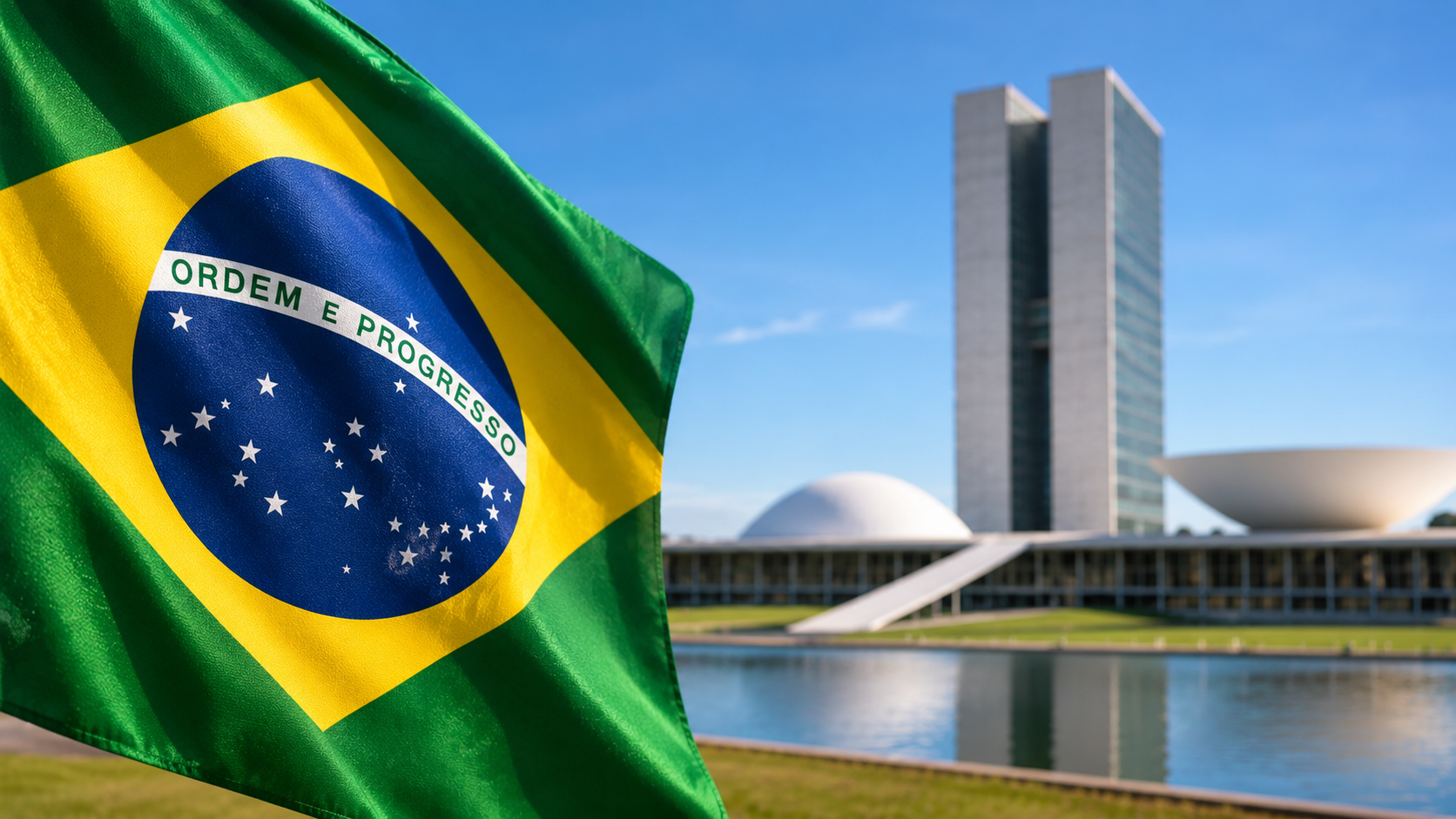
Brazil's National Congress has extended the country's nationwide online gambling ban for a further 60 days, allowing Provisional Measure 1,394/2026 to remain in force while lawmakers determine the future of the regulated betting industry.
The extension was signed by Senate President Davi Alcolumbre and published in Brazil's Official Gazette on 11 November. Taking the parliamentary recess into account, the measure could remain effective until 4 March 2027 unless Congress approves permanent legislation or the restrictions are overturned.
President Luiz Inácio Lula da Silva introduced the provisional measure on 25 September, immediately suspending online sports betting, casino games and related advertising throughout Brazil. Licensed operators were required to stop accepting new wagers and arrange the return of outstanding customer balances.
Although the measure took effect immediately, it requires congressional approval to become permanent law, leaving the country's gambling industry facing continued regulatory uncertainty.
Congress Considers Amendments To Betting Restrictions
The provisional measure must first be examined by a joint committee comprising members of Brazil's Senate and Chamber of Deputies before proceeding to votes in both houses of Congress.
Legislators have been nominated to the committee, but its work has yet to begin. Congress has received 99 proposed amendments to the legislation, five of which have subsequently been withdrawn.
Several proposals seek to restore regulated online sports betting while maintaining restrictions on online casino games. Others would introduce tighter controls on gambling advertising, including prohibitions on sponsorship agreements involving sports clubs, stadiums and competitions.
Government representatives have urged lawmakers to resolve the issue before the end of 2026, although the extension provides additional time for negotiations and parliamentary scrutiny.
If Congress fails to approve the provisional measure before the extended deadline, it will lose its legal effect. The outcome will therefore determine whether Brazil's current restrictions become permanent legislation or lapse.
Supreme Court Challenges Remain Unresolved
The legislative debate is taking place alongside a series of legal challenges questioning the constitutionality of the nationwide restrictions.
Four constitutional actions have been filed by organisations representing the gambling industry, with the Supreme Federal Court (STF) examining whether the government acted within its constitutional powers when introducing the ban through a provisional measure.
Supreme Court Justice Luiz Fux has suspended proceedings in lower courts concerning the restrictions following a request from the Office of the Prosecutor General.
The suspension is intended to prevent conflicting judicial decisions while the Supreme Court considers the constitutional questions surrounding the legislation.
Before the intervention, several gambling operators had obtained temporary injunctions allowing them to continue operating despite the nationwide ban. Those permissions were subsequently overturned, leaving the restrictions applicable across the market.
The Supreme Court's eventual decision could have significant implications for the legislation, regardless of whether Congress approves the provisional measure.
Industry Warns Of Job Losses And Offshore Gambling Growth
The suspension of Brazil's regulated online gambling market has already resulted in substantial disruption for licensed operators and businesses supporting the sector.
Earlier industry reports indicated that more than 3,500 employees had lost their jobs following the shutdown, while thousands of others had been placed on collective leave.
Industry representatives have also warned that removing licensed gambling platforms could encourage Brazilian consumers to use offshore operators operating outside the country's regulatory framework.
Research company Blask previously estimated that as many as 21.6 million Brazilian bettors could migrate to unregulated gambling websites following the restrictions. The figure represents a potential migration scenario rather than a confirmed number of consumers who have moved to offshore platforms.
The government has defended its approach by citing concerns about gambling-related financial difficulties and wider social harm. Its estimates suggest Brazilian households could spend approximately BRL 62.5 billion on online betting during 2025.
Meanwhile, a legislative campaign known as Health Is Not a Gamble, supported by lawmakers and public health organisations, has called for gambling-related harm to be treated as a public health concern.
The initiative is advocating stronger restrictions on gambling promotions, advertising and sponsorship arrangements as part of the wider debate over the future of the sector.
Brazil's regulated betting market now faces two parallel decisions, with Congress considering whether to approve or amend the provisional measure while the Supreme Court assesses its constitutionality.
Until those processes are resolved, licensed operators remain subject to the nationwide suspension, with the extended legislative deadline potentially keeping the restrictions in place until March 2027.
Stay ahead of iGaming
Get the week's key stories, industry insight and exclusive interviews in your inbox.
One email a week. Unsubscribe any time. More about our newsletter