BGC Warns Illegal Bookmakers Could Take £500m During Jump Racing Season
The Betting and Gaming Council has warned of growing illegal betting activity as new research highlights the challenges facing British horseracing and licensed operators.
Listen to this article
British female voice
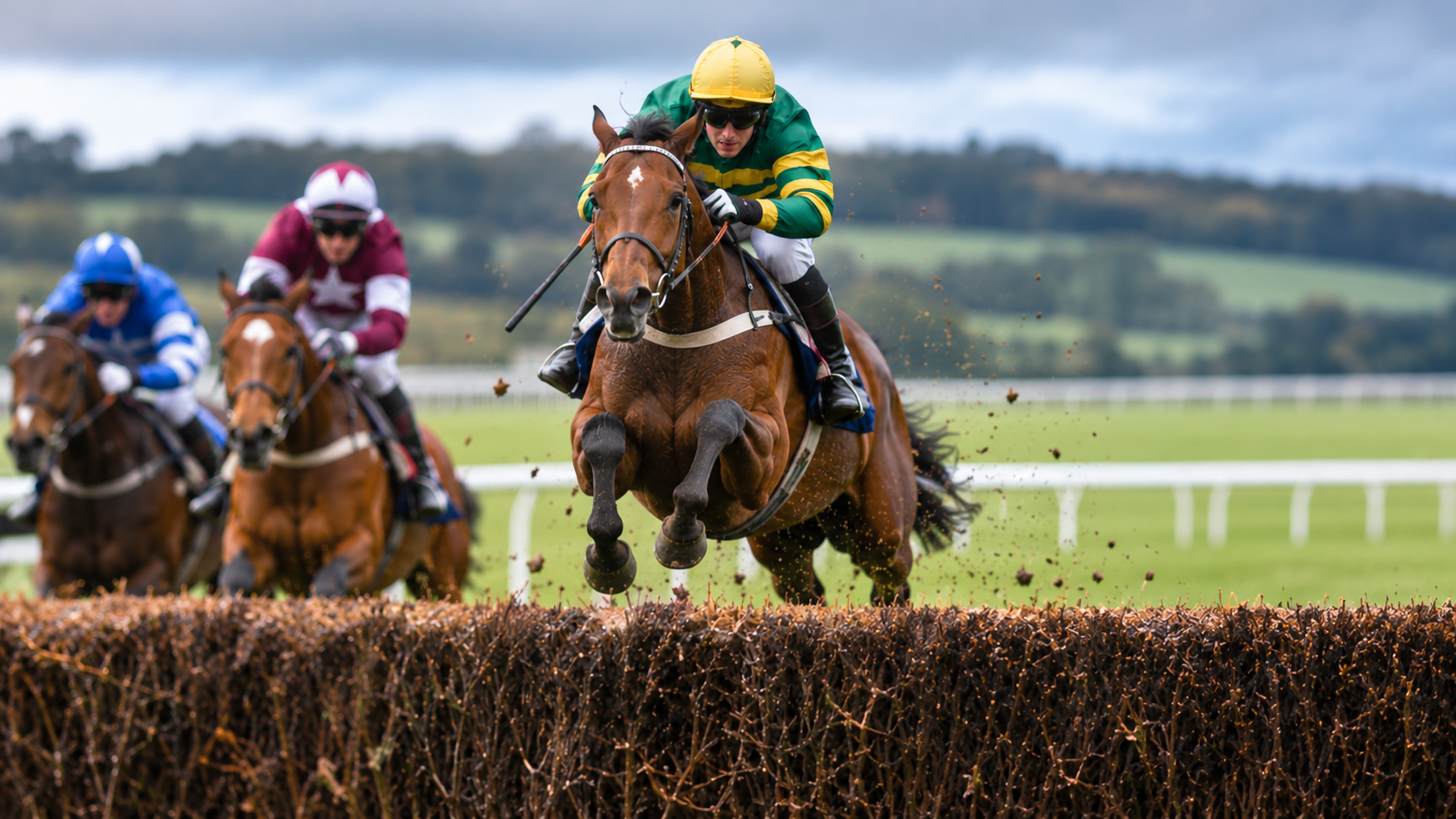
Illegal gambling operators are expected to attract approximately £500 million in wagers during Britain's 2026/27 National Hunt season, according to new estimates from the Betting and Gaming Council (BGC).
The industry body issued its warning ahead of the Cheltenham November Meeting, which begins on Friday, 13 November, with an estimated £10 million expected to be wagered through unlicensed operators during the three-day event.
The National Hunt season runs from October to April and includes major fixtures such as the King George VI Chase at Kempton, the Cheltenham Festival and the Grand National at Aintree. The BGC has warned that illegal gambling businesses are increasingly targeting these high-profile events without contributing to British racing or complying with the consumer protection requirements imposed on licensed bookmakers.
The announcement comes ahead of Safer Gambling Week, taking place from 16 to 22 November, and follows research highlighting a substantial increase in traffic to unlicensed betting websites over recent years.
BGC Raises Concerns Over Illegal Betting Activity
The BGC estimates that illegal operators could receive approximately £500 million in bets across the National Hunt season, although it has not published the methodology behind the forecast.
The trade association also cited research from advertising intelligence company WARC indicating that unregulated operators account for almost half of gambling advertising expenditure targeting the UK. Separately, forecasts from H2 Gambling Capital suggest that annual stakes placed with illegal operators could increase from £17 billion in 2026 to more than £33 billion by 2028.
Unlike businesses licensed by the UK Gambling Commission, offshore operators targeting British consumers without authorisation are not subject to the same domestic requirements covering age verification, anti-money laundering controls and safer gambling measures.
The BGC also highlighted the financial consequences for British horseracing, with unlicensed operators avoiding the taxes and industry contributions paid by regulated businesses.
Grainne Hurst, Chief Executive of the Betting and Gaming Council, said:
“Britain's National Hunt season is one of the highlights of our sporting calendar, but criminal gambling operators are also looking to cash in, with £500m expected to be staked on the illegal black market.
“These operators contribute nothing to British racing, pay no UK tax and offer none of the vital protections customers expect from licensed bookmakers.
“We will continue to work closely with the Government and the Gambling Commission to tackle the illegal black market, protect customers and ensure British racing continues to benefit from a strong, well-regulated betting industry.”
Horseracing Research Highlights Long-Term Growth
The BGC's warning follows research published by the International Federation of Horseracing Authorities (IFHA), which examined traffic to licensed and unlicensed gambling websites offering betting on British racing.
The findings showed that unlicensed platforms attracted approximately 19.4 visits for every 100 visits to licensed sites during the first seven months of 2026, compared with around one visit per 100 in late 2021.
Across 32 unlicensed websites offering British horseracing markets, the ratio of illegal to licensed traffic increased almost sevenfold over the period examined.
However, the research also identified signs that enforcement activity may be having an effect. Average monthly visits to illegal betting platforms fell from approximately 25 million in 2025 to 11 million during the first half of 2026, a reduction of 56%.
Traffic to licensed websites also declined over the same period, although by a smaller proportion of approximately 40%. Consequently, the reduction in illegal visits does not necessarily indicate that unlicensed operators are losing ground relative to regulated businesses.
The British Horseracing Authority (BHA) acknowledged that increased enforcement by the Gambling Commission appeared to be making an initial impact, while emphasising that illegal betting traffic remained substantially above levels recorded before the Government's 2023 gambling white paper.
A BHA spokesperson said a more sustained decline would be needed before the industry could conclude that the long-term trend had been reversed.
BHA Questions Impact Of Affordability Checks
The BHA has also raised concerns about the potential relationship between gambling affordability requirements and the growth of unlicensed betting.
The racing authority suggested that some licensed operators introduced restrictive and inconsistent financial checks before the formal implementation of the Government's proposed financial risk assessment framework.
It argued that these interventions may have encouraged some customers to seek alternatives outside the regulated market, particularly where they were unwilling to provide personal financial information.
The BHA pointed to Gambling Commission research from 2021 indicating that only 14% of bettors would be willing to disclose personal financial information to an operator to continue gambling.
However, the available website traffic figures do not establish that affordability checks directly caused the increase in illegal betting activity. Other factors, including offshore advertising, promotional partnerships and changing consumer behaviour, may also have contributed.
The BHA additionally raised concerns about unlicensed operators gaining visibility through social media and sporting partnerships before regulatory measures could effectively address their promotional activities.
Gambling Commission Intensifies Enforcement
The Gambling Commission has expanded its efforts to disrupt illegal gambling operations, including targeting the payment systems, advertising networks and technology suppliers supporting unlicensed businesses.
The regulator recently confirmed that it had referred more than £40 million in suspected criminal funds to partner agencies for potential asset freezing since January 2026.
Its enforcement activity has also included cease and desist notices, website disruption requests and the referral of millions of URLs to search engines for removal from search results.
The Government has allocated £26 million towards tackling illegal gambling, while further measures targeting unlicensed operators' advertising activities remain under consideration.
The BGC maintains that the regulated betting and gaming sector supports approximately 109,000 jobs, contributes £6.8 billion to the UK economy and generates more than £4 billion in annual tax revenues. Its members also contribute more than £350 million each year to British horseracing.
With the National Hunt season entering one of its busiest periods, the latest warnings highlight the continuing challenge of reducing illegal gambling activity while maintaining consumer protections and the financial relationship between licensed bookmakers and British racing.
Stay ahead of iGaming
Get the week's key stories, industry insight and exclusive interviews in your inbox.
One email a week. Unsubscribe any time. More about our newsletter