GambleAware Launches App to Support Young Adults Cutting Back on Gambling
The app is designed to offer tailored support, guidance and tools in line with these behavioural patterns.
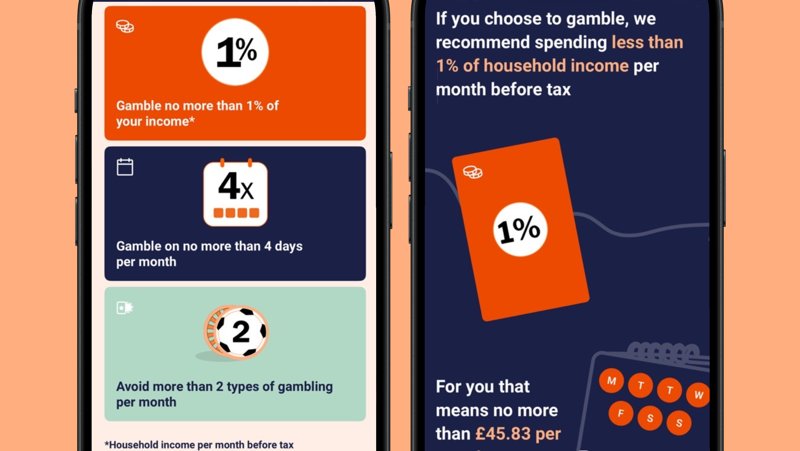
GambleAware has launched a new digital support tool designed to help people reduce or stop gambling, with a particular focus on younger adults. The launch follows detailed analysis of data collected by YouGov on behalf of the charity, which highlighted the distinct behaviours and motivations of 18–24-year-olds when it comes to gambling.
The GambleAware Support Tool, launched in April 2025, was developed in response to findings that nearly 29% of people aged 18–24 expressed a desire to reduce or stop gambling altogether — nearly double the 15% average across all age groups. The app is designed to offer tailored support, guidance and tools in line with these behavioural patterns.
Early insights since the app’s rollout suggest its relevance: 48% of users in the target demographic say their main reason for cutting back on gambling is to save money, while 27% say their motivation is to feel happier.
Alexia Clifford, Chief Communications Officer at GambleAware, commented on the broader challenges driving the app’s development:
“The digital age means we essentially have a casino in our pocket, and we know increased accessibility leads to increased participation and therefore increased risk of harm.”
The app also aims to encourage uptake of the Lower-Risk Gambling Guidelines — a set of behavioural boundaries developed to reduce harm. These include suggestions such as gambling on no more than four days per month, sticking to no more than 1% of monthly income, and avoiding more than two types of gambling activity in any given period.
The tool is currently the only one of its kind in Great Britain that actively promotes these guidelines. Its self-help approach also reflects another notable trend identified in GambleAware’s previous research: of the estimated 4.5 million people in Great Britain who want to cut down or quit gambling, a significant 93% are looking to do so without accessing formal treatment services.
Further research commissioned by the charity also flags up increased risks among neurodivergent individuals — including people with ADHD and autism — who are more vulnerable to gambling-related harm than the general population.
With the digital gambling landscape continuing to evolve, tools like this one may become an increasingly vital part of the wider public health response.