Italy Proposes Stricter Rules For Gambling-Linked Sports News Websites
Communications regulator AGCOM has launched a consultation on new requirements for sports news and infotainment platforms associated with gambling operators.
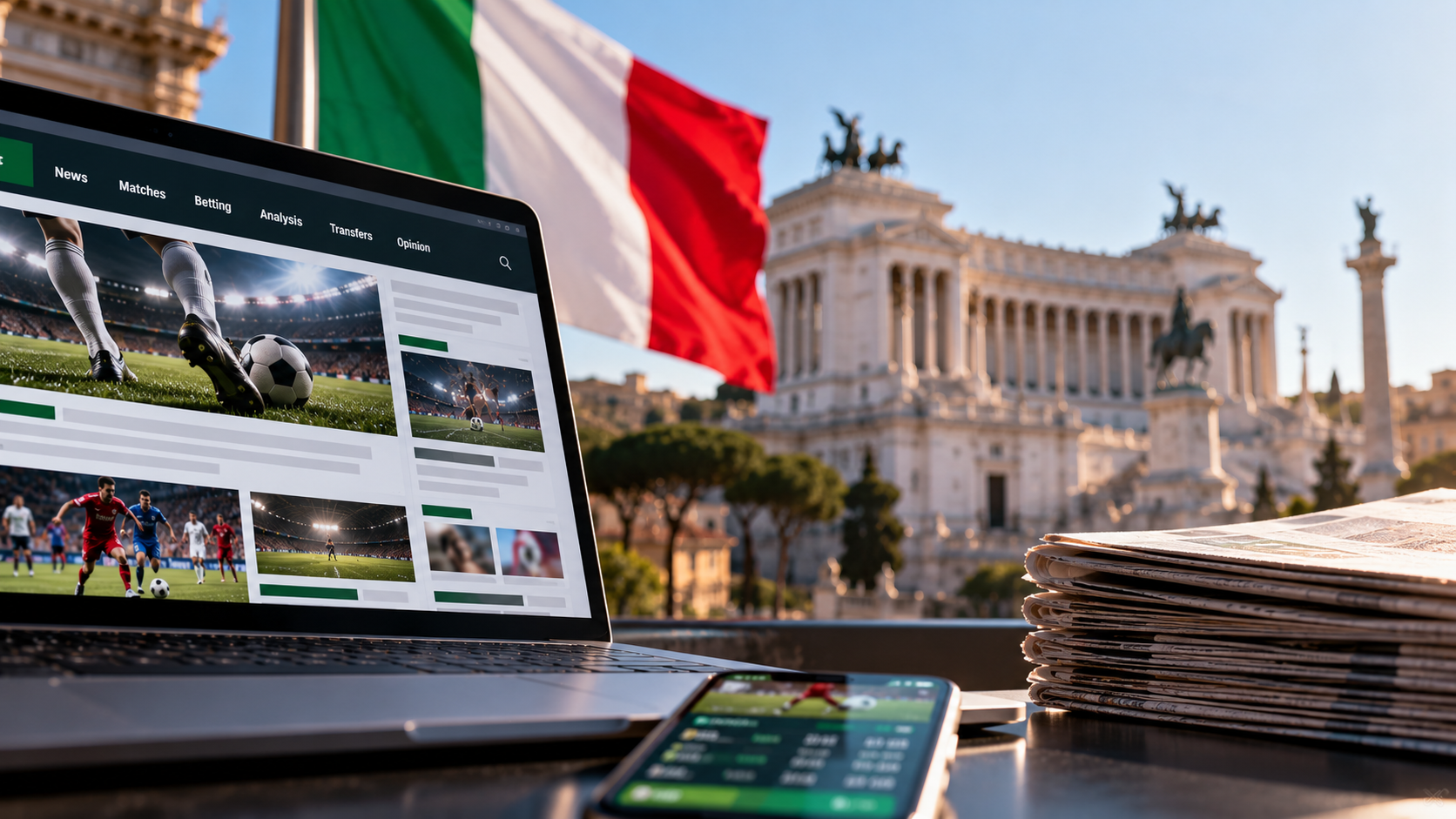
Italy's communications regulator, AGCOM, has launched a public consultation on proposed changes to gambling advertising rules, targeting sports news and infotainment websites associated with licensed betting operators.
The 30-day consultation will examine amendments to the guidelines governing the country's 2018 Dignity Decree, which introduced extensive restrictions on gambling advertising and sports sponsorship.
Under the proposals, websites operating under names associated with gambling companies would face stricter requirements to demonstrate genuine editorial independence, with additional restrictions on branding, promotional content and links to betting platforms.
The review could have significant implications for Italian football clubs and gambling operators that have maintained commercial partnerships through affiliated sports media brands despite the existing advertising ban.
AGCOM Targets Indirect Gambling Advertising
Italy's Dignity Decree, introduced in 2018 under the Lega–Five Star Movement coalition government, prohibited gambling advertising and sponsorship across media and sport.
However, AGCOM's implementing guidelines provided an exemption for independent businesses operating in other sectors, even where those activities shared a name with a gambling operator.
This created opportunities for betting companies to maintain a presence in Italian football through associated sports news websites and infotainment services, provided those platforms operated independently of the underlying gambling business.
AGCOM is now seeking to clarify the distinction between legitimate editorial activity and indirect gambling promotion, amid concerns that some services may primarily function as marketing channels.
Under the proposed framework, qualifying websites would need an identifiable editorial team, a responsible editor, original content and evidence of regular publication.
Registration with Italy's Register of Communication Operators (ROC) would also be required where applicable, providing an additional means of establishing the legitimacy of editorial operations.
Restrictions On Branding, Links And Promotional Content
The proposed changes would introduce clearer separation between gambling operators and associated media platforms, particularly where websites use similar names or branding.
Infotainment services would be prohibited from directing users towards gambling products through hyperlinks, redirects, promotional codes, shared accounts or other mechanisms facilitating access to betting platforms.
The regulator also wants to prevent editorial websites from reproducing the visual identity of associated gambling brands. Where names are shared, wording identifying the separate editorial activity would need to receive at least equal prominence.
Communications promoting these services would be unable to feature betting odds, bonuses, jackpots or gambling interfaces.
AGCOM has also proposed excluding gambling licence numbers, the logo of Italy's Customs and Monopolies Agency (ADM) and gambling risk warnings from such advertising, as their inclusion could suggest a direct connection with gambling services.
The proposals extend to sports sponsorship arrangements, including pitchside advertising and LED displays, where branding associated with infotainment platforms could potentially be used to circumvent existing restrictions.
Paid search advertising involving gambling-related keywords and promotional placements on betting comparison or review websites would also face closer scrutiny.
Italian Gambling Advertising Reform Remains Under Discussion
The consultation comes as Prime Minister Giorgia Meloni's government continues to consider wider changes to Italy's gambling advertising and sponsorship framework.
Sports Minister Andrea Abodi has been leading discussions on a potential replacement for the Dignity Decree's restrictions, particularly regarding the relationship between licensed betting companies and professional football.
Those discussions form part of a broader investment strategy for Italian football, including proposals for a levy on football betting revenues to support professional and amateur clubs, youth development and sporting infrastructure.
Abodi is seeking agreement with the Italian Football Federation (FIGC), Serie A and the Italian National Olympic Committee (CONI) on how regulated betting could contribute financially to the sport.
However, no repeal of the Dignity Decree has taken effect, meaning operators remain subject to the existing advertising restrictions while discussions continue.
ADM reinforced those obligations earlier this year, reminding licensees that communications relating to bonuses, rewards and prizes must comply with the advertising requirements enforced by AGCOM.
Consultation To Determine Future Requirements
AGCOM has invited interested parties to submit written observations through certified email during the consultation period, with stakeholders also able to request a hearing.
If adopted, the revised guidelines would place greater responsibility on gambling operators and their media partners to demonstrate that associated infotainment platforms operate as independent editorial businesses rather than indirect advertising channels.
The proposals could require existing partnerships to review their branding, website structures and promotional arrangements to ensure compliance.
For now, the consultation represents a proposed clarification of Italy's existing gambling advertising framework rather than a change to the underlying legislation, with the regulator expected to consider stakeholder feedback before determining the final requirements.