GBGB Launches Legal Challenge Against Planned Greyhound Racing Ban in Wales
This could mark the start of a highly charged legal and political battle.
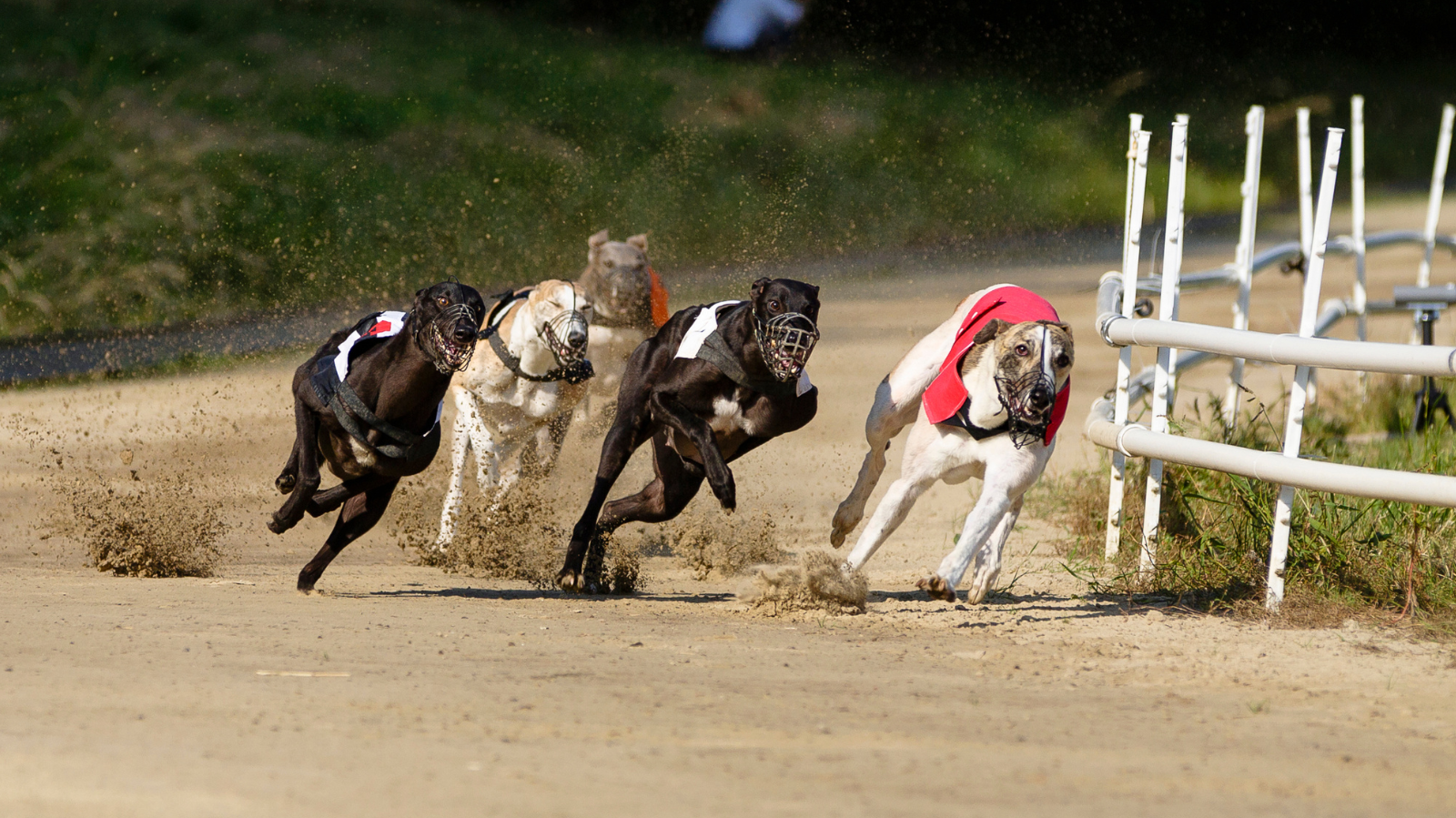
The Greyhound Board of Great Britain (GBGB) has initiated legal proceedings in a bid to halt the Welsh Government’s proposed ban on greyhound racing, marking the start of what could become a highly charged legal and political battle.
On 18 February 2025, the Welsh Government announced its intention to ban greyhound racing “as soon as practicably possible,” following a public consultation that drew over 35,000 signatures in support. Spearheaded by Deputy First Minister Huw Irranca-Davies, the ban could be introduced ahead of the next Welsh parliamentary elections in May 2026. Despite broad cross-party support, the proposed legislation has yet to be debated or voted on in the Senedd.
A coalition of leading animal welfare organisations—including the RSPCA, Dogs Trust, Blue Cross, Hope Rescue, and Greyhound Rescue Wales—welcomed the move, describing greyhound racing as an “inherently cruel sport, where dogs are bred for the purpose of betting.” The legislation would result in the closure of Wales’ last remaining track, the Valley Greyhound Stadium in Ystrad Mynach, which has operated since 1976.
In response, the GBGB denounced the Welsh Government’s decision, claiming the consultation had been heavily influenced by what it termed “extreme animal rights groups.” Mark Bird, CEO of the GBGB, criticised the move as disproportionate and argued that the industry had not been properly consulted.
“GBGB has always strongly opposed any ban on greyhound racing and continually encouraged policymakers to support robust regulation, which is evidently the most effective way to protect the welfare of racing greyhounds and the integrity and prosperity of the sport going forwards,” said Bird.
“We believe that our claim for judicial review is both strong and justified following the Deputy First Minister of Wales’ ministerial statement deciding to introduce a ban on greyhound racing as soon as possible. We are grateful to all those who are supporting this important claim as we strive to secure the future of the sport.”
Adding to the defence of the sport, David Lovell, Founder of Welsh bookmaker DragonBet, stated:
“Greyhound racing is a cornerstone of British sporting tradition and betting on the dogs is underpinned by a genuine love and respect for the animals involved. As someone deeply embedded in this space, I can say with confidence that welfare is not only taken seriously—it’s fundamental to the sport’s long-term viability.
What concerns me most is that this decision appears to be driven more by political optics and pressure from fringe activism than by robust, evidence-based assessments of welfare standards. If greyhound racing can be banned despite operating under regulated frameworks, what precedent does this set for other animal-involved sports like horse racing?
Beyond the emotional and cultural arguments, there are serious economic implications. This is a sport that supports hundreds of livelihoods across Wales and the UK, from trainers and kennel hands to bookmakers and venue staff. Plus, is part of an industry projected to contribute £3.6 billion in tax revenue this financial year. Removing this pillar not only damages our sporting landscape but threatens jobs, local economies and vital public funding."
As of now, the Welsh Government has not published a formal timeline for implementing the ban but has begun assembling an implementation group to oversee the transition. This group will be tasked with addressing the welfare of affected greyhounds and the broader impact on local communities and the economy.
With legal action now underway, the future of greyhound racing in Wales remains uncertain. The result of the judicial review could set a significant precedent, influencing the national conversation around the sport’s place in modern Britain.