Rio Hotel & Casino Reopens William Hill Sportsbook Amid Nevada Prediction Markets Dispute
The Las Vegas resort has unveiled a renovated retail sportsbook as Nevada regulators and federal authorities continue to clash over sports prediction markets.
Listen to this article
British female voice
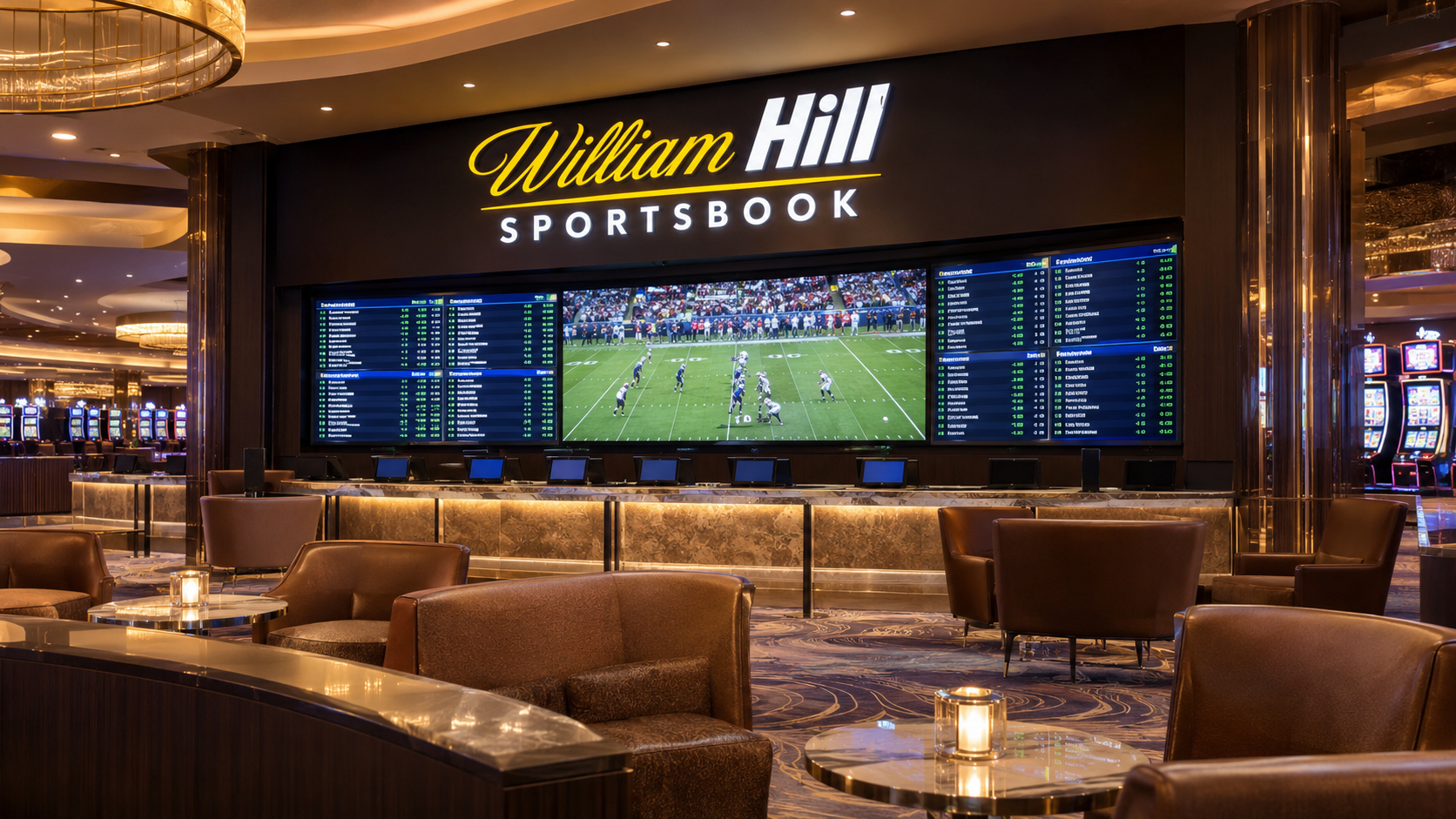
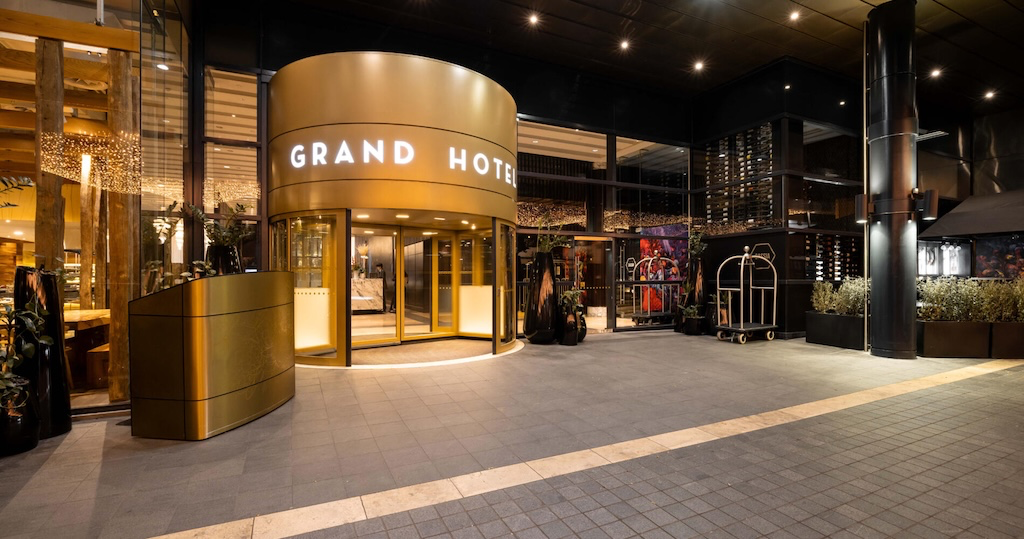
Rio Hotel & Casino has reopened its William Hill sportsbook following an extensive renovation, introducing upgraded betting facilities and viewing technology at the Las Vegas resort as Nevada's gambling industry faces growing competition from prediction markets.
The 3,400-square-foot sportsbook opened last week after several months of construction, with the project beginning during the summer's FIFA World Cup. Temporary betting kiosks remained available to customers during the renovation, allowing wagering to continue throughout the opening weeks of the NFL season.
The completed facility includes 12 William Hill self-service betting kiosks, eight dedicated horse racing stations with individually controlled screens and seating for more than 100 customers. Large, configurable LED displays have also been installed to improve the live sports viewing experience ahead of the busy Thanksgiving betting period.
William Hill Expands Retail Sportsbook Experience
The reopening forms part of a wider programme of improvements at Rio Hotel & Casino, which is located just off the Las Vegas Strip. The resort has invested in modernising its retail sportsbook to provide a more comfortable environment for customers watching and wagering on live sporting events.
Rod Turlan, President of Rio Hotel & Casino, said:
“The reopening of our renovated sportsbook by William Hill marks another exciting milestone in the ongoing evolution of Rio.”
“We set out to create a modern, high-energy environment where fans can enjoy cutting-edge viewing technology, elevated comfort and exceptional service.”
William Hill, acquired by Caesars Entertainment in 2021, operates more than three dozen full-service sportsbooks across Nevada. Its continued investment in physical betting facilities comes as established casino operators assess the implications of federally regulated prediction markets for their existing businesses.
Caesars Entertainment and MGM Resorts have both refrained from launching sports prediction market platforms, citing the importance of maintaining their relationships with Nevada's gambling regulators and protecting their established state gaming licences.
Nevada Regulators Challenge Prediction Markets
The sportsbook reopening coincides with an escalating dispute between Nevada authorities and the federal Commodity Futures Trading Commission (CFTC) over the regulation of sports-related event contracts.
Nevada regulators maintain that contracts allowing customers to speculate on sporting outcomes closely resemble traditional sports wagers and should therefore fall within state gambling laws.
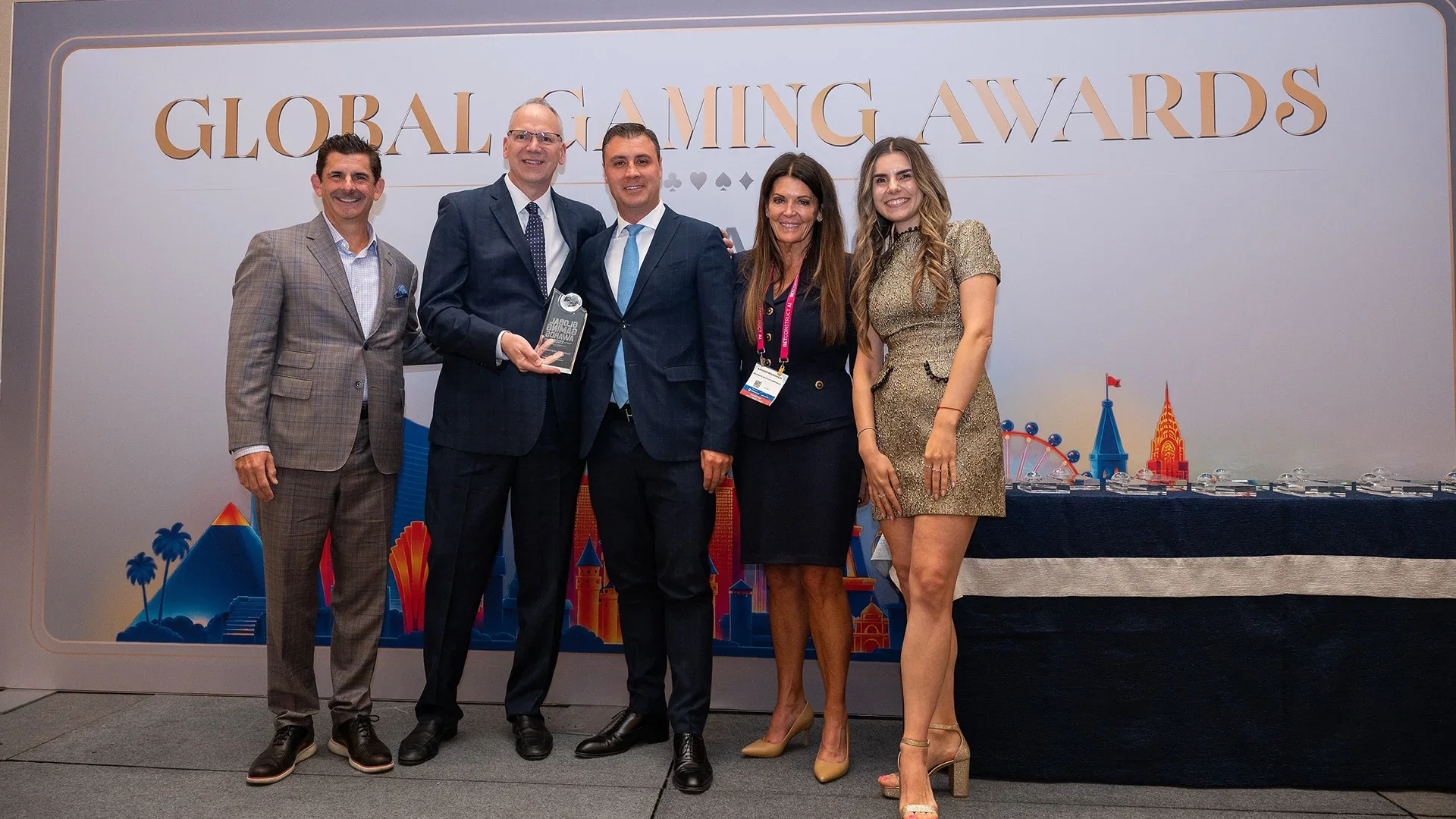
At October's Global Gaming Expo in Las Vegas, Nevada Gaming Control Board Chairman Mike Dreitzer questioned why sports-related event contracts should be regulated as financial derivatives at the federal level when their underlying characteristics resemble sports betting.
The dispute has intensified following guidance issued by CFTC Chairman Michael Selig on 5 November, which urged designated contract markets to remove geographic restrictions limiting access to customers based on their physical location.
Designated contract markets are federally regulated exchanges that can offer event contracts, including products linked to sporting outcomes. Under the new guidance, affected platforms have been given 30 days to comply with the CFTC's interpretation of impartial access requirements.
Nevada Senator Catherine Cortez Masto criticised the move, arguing that the federal regulator was encouraging activity that conflicts with existing court decisions.
“Sports prediction markets are obviously gambling,” Cortez Masto wrote on X. “But the chairman of the CFTC is encouraging companies to keep offering these bets in violation of court orders.”
Kalshi Legal Battle Continues
The regulatory disagreement has also been shaped by ongoing litigation involving prediction market operator Kalshi.
In August, the US Court of Appeals for the Ninth Circuit ruled that Kalshi could not prevent Nevada regulators from enforcing state sports betting laws against its sports-event contracts.
The three-judge panel concluded that the contracts should not be classified as swaps under the relevant federal framework, weakening Kalshi's argument that federal derivatives regulation prevented state authorities from intervening.
Last week, the Ninth Circuit rejected Kalshi's request for an en banc rehearing, which would have allowed a larger group of judges to reconsider the earlier decision.
The rejection is expected to open a 90-day period during which Kalshi may petition the US Supreme Court to review the legal treatment of sports-event contracts.
The outcome could have significant implications for the relationship between federally regulated prediction markets and state-licensed gambling operators, particularly in Nevada, where casino gaming and sports betting remain central to the economy.
For established operators such as William Hill, the dispute creates uncertainty over the competitive environment for traditional sportsbooks. Nevertheless, the reopening at Rio Hotel & Casino demonstrates continued investment in Nevada's regulated retail betting sector as the legal boundaries surrounding prediction markets remain contested.
Stay ahead of iGaming
Get the week's key stories, industry insight and exclusive interviews in your inbox.
One email a week. Unsubscribe any time. More about our newsletter