Russia Considers Online Casino Legalisation Amid Black Market Concerns
Russia is considering whether to legalise online casino gaming as government officials raise concerns over the scale of the country’s unregulated gambling market.
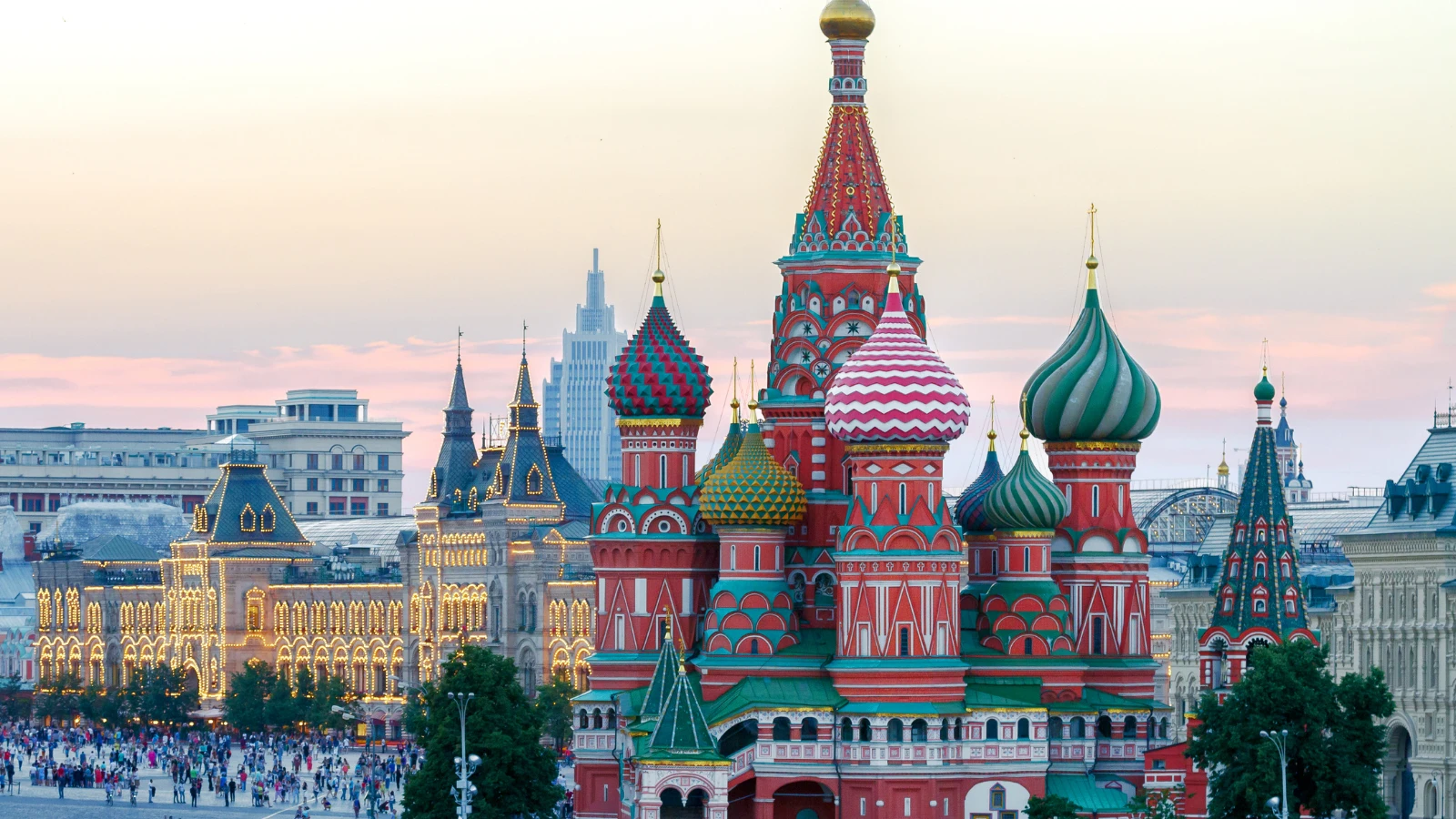
Russian government officials are considering whether to legalise online casino gaming as part of efforts to address the country’s unregulated gambling market.
Deputy Finance Minister Ivan Chebeskov said the government must assess whether to maintain the existing prohibition or introduce a regulated framework for online casinos.
Speaking at a forum organised by Russia’s gambling regulator, Chebeskov said the unregulated online casino sector is now estimated to be comparable in size to the country’s legal sports betting market.
Licensed betting currently generates approximately RUB100bn (£878.8m) in annual tax revenue.
Government Raises Concerns Over Unregulated Casinos
Chebeskov said the size of the illegal market was creating concerns around player protection, taxation and funding generated for sport.
“What worries us most, of course, is the shadow online casino sector, which is now comparable in size to the legal market (bookmaking), operating entirely in the shadows,” Chebeskov said.
“Citizens are completely unprotected there. They’re being deceived, and it’s clear that we don’t receive any money for sports, we don’t receive taxes, we receive nothing.”
Including sports betting, Russia’s wider unregulated gambling market is estimated to generate RUB3trn (£28.6bn) annually.
Analysis firm Blask estimates that unregulated operators 1Win and Dragon Money hold the second and third-largest market shares respectively, behind licensed operator Fonbet.
Online Casino Tax Proposal Previously Raised
Finance Minister Anton Siluanov previously proposed legalising online casino gaming with a 30% tax rate.
Siluanov argued that regulating and taxing the sector could generate revenue comparable with that produced by legal sports betting.
There has not yet been a confirmed policy change from the Russian government, while President Vladimir Putin has previously taken a restrictive position towards gambling.
Chebeskov’s comments were welcomed by bookmakers attending the forum, amid reported declines in participation within the regulated betting market.
Industry representatives said the number of people placing bets had fallen by almost 500,000, while the number of active players had decreased by approximately 100,000.
Bookmakers attributed the decline to several factors, including reduced promotional spending following tax changes, customers moving to unregulated gambling sites and online casinos, and restrictions affecting mobile internet access.