Washington, D.C. Considers iGaming Legalisation and Sweepstakes Ban
Councilmember Wendell Felder has introduced the Internet Gaming and Consumer Protection Act of 2026, which proposes regulated online casino gaming while banning dual-currency sweepstakes.
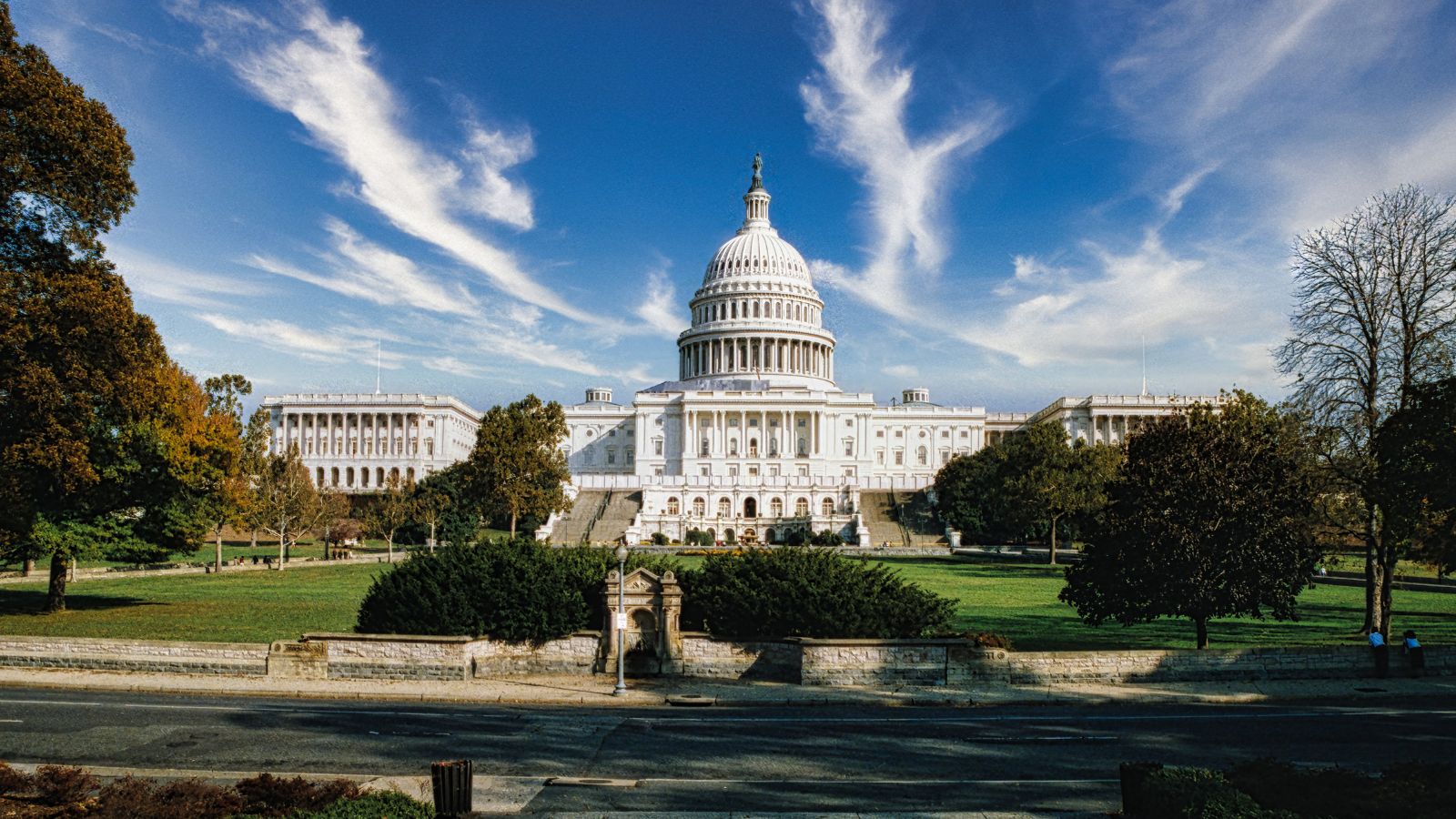
Lawmakers in Washington, D.C. are exploring the legalisation of iGaming, less than a year after launching online sports betting. Councilmember Wendell Felder has introduced the Internet Gaming and Consumer Protection Act of 2026, which proposes regulated online casino gaming while banning dual-currency sweepstakes.
Felder said the bill aims to bring an already active market under proper oversight, noting that iGaming is currently accessible via unregulated offshore platforms lacking “meaningful consumer safeguards, age verification, or regulatory oversight.”
Regulation, Tax and Social Investment
If passed, iGaming would fall under the Office of Lottery and Gaming, with a minimum age of 21, a 25% tax on operator revenue, and a $2m licence fee. Licences would last five years, with a $500,000 renewal option.
The first $500,000 in revenue would fund gambling harm prevention, with additional proceeds supporting financial education, victim services, health research and youth employment programmes. Felder added the market could generate “tens of millions of dollars” annually as it matures.
Sweepstakes Ban and Enforcement
The bill also targets dual-currency sweepstakes games, banning platforms that allow virtual currencies to be exchanged for cash or prizes. Operators found in breach could face fines of up to $100,000 per violation, rising to $500,000 for repeated offences.
“Inaction carries real consequences,” Felder said, warning that without regulation, revenue will continue to flow to unlicensed operators while consumers remain exposed to risk.