GR8_TECH Shares The Trends Shaping iGaming In 2027 After SiGMA World
Following SiGMA World 2026 in Rome, GR8_TECH highlights the key industry developments from the past year and the priorities operators should focus on as the sector moves into 2027.
Listen to this article
British female voice
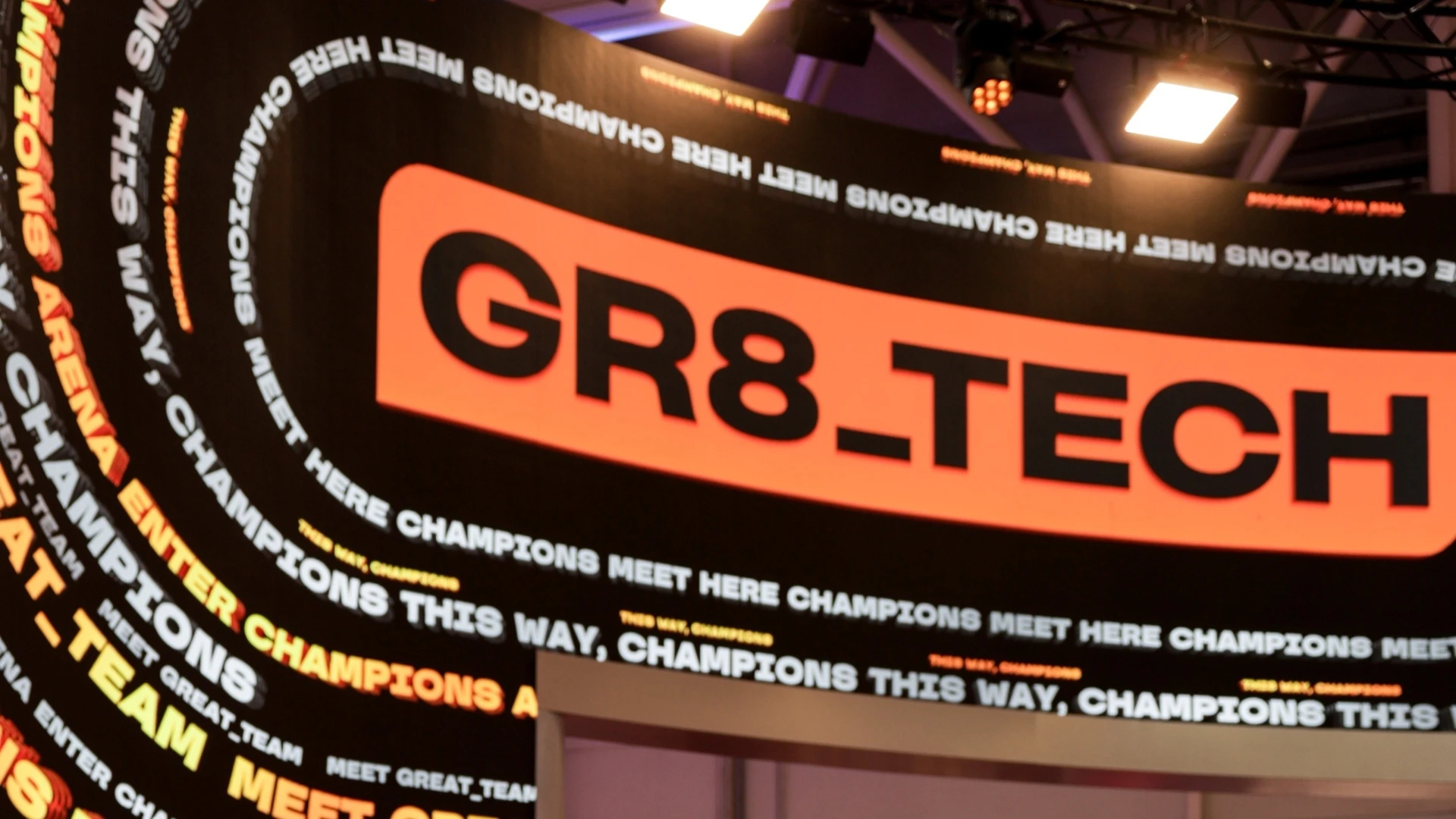
GR8_TECH wrapped up SiGMA World 2026 in Rome with insights into what changed across iGaming this year and what operators should prepare for next.
Across conversations with operators, partners, and industry experts, the same themes kept coming back: AI is making technology cheaper and easier to build, speed is becoming a basic requirement, and competition is shifting towards personalisation, retention, and execution.
“It was a very productive few days for us in Rome. We had strong conversations with operators, got a sense of what the industry is prioritising for 2027, and came away with plenty to build on,” said Sergey Ghazaryan, CRO at GR8_TECH.
“With SiGMA World moving to May next year, we won’t have to wait long to continue those conversations. See you back in Rome.”
What Defined iGaming In 2026
One of the biggest changes was the economics of software. Solutions that once required large teams and major investment can increasingly be built by much smaller teams; in some cases, a full platform can now be developed by five people.
The value of tech increasingly comes from what software alone can’t provide: market knowledge, strong ideas, execution, operational expertise, and the ability to translate technology into better business outcomes.
At the same time, AI adoption remained relatively shallow. Many companies integrated existing models without deeper training or customisation.
CRM moved further, with AI agents already beginning to build campaigns and automate more of the workload, but the industry is still early in using AI across the full operation.
Other major shifts included:
Sportsbook: The World Cup dominated the year before, during, and after the tournament. It put platforms under heavy load, pushed some operators to restructure, and provided detailed insight into how player behaviour changes around big events. Demand increasingly centred on the fastest possible frontend combined with flexible, widget-based experiences.
LATAM: Brazil’s closure became the defining regional event. The industry lost its largest and highest-potential market, along with major investment already made in licences, sponsorships, media, infrastructure, and jobs. Many industry experts continue to question the logic and economic impact of the decision.
What Will Define 2027
If 2026 was about adopting AI, 2027 will be about proving what more it can deliver.
GR8_TECH expects deeper use of AI across backend operations, CRM, risk, fraud prevention, and decision-making. AI agents will become more sophisticated, including systems that can monitor competitors’ promotions and adjust offers in response.
At the same time, ideas will become more significant. As traffic becomes cheaper and technology easier to access, fresh advertising formats, new engagement mechanics, and better player experiences will have more impact.
More spending will also move from pure acquisition towards retention.
The Priority Now: Make The Experience Personal
To prepare for the next two to three years, operators need to prioritise personalisation.
The platform experience should reflect players’ behaviour, preferred layouts, content, sports, betting habits, and offers.
That means going deeper across several areas:
Hyper-personalised CRM: Segment players in real time, including casino and sportsbook behaviour, instead of relying on broad groups. If engagement begins to fall, the platform should be able to react immediately with the right message or bonus.
Gamification and VIP: Progress bars, daily missions, internal tournaments, and tiered VIP programmes can give players more reasons to stay active and consolidate their play on one platform. GR8_TECH’s experience shows gamified platforms can retain around 75–80% of players over six months, compared with roughly 40% on traditional platforms.
Payments: Deposits need to be fast and withdrawals increasingly need to feel instant. Every unnecessary step at checkout creates another reason for the player to leave.
Content: Operators need a reliable aggregation setup that keeps the game catalogue fresh and gives players new reasons to return.
Trading: Dynamic trading and stronger risk tools will be increasingly important for protecting margins against market volatility and coordinated betting activity.
Sportsbook: As competition increases, retention needs to become as important as acquisition. That also makes the choice of technology partner more important — operators need partners that understand how to grow the business profitably.
CRM innovation: Social gambling and new community-led engagement formats remain largely underutilised.
The message from SiGMA World was that 2027 won’t be won by the operator with the most technology.
Technology is becoming easier to build and access, so the industry now needs to use it better by developing stronger ideas, reacting faster, reducing operational work, and giving every player an experience that feels increasingly individual.
That’s also where GR8_TECH sees the next big opportunity to outperform.
Stay ahead of iGaming
Get the week's key stories, industry insight and exclusive interviews in your inbox.
One email a week. Unsubscribe any time. More about our newsletter