Kenya Approves Tougher Penalties For Sports Match-Fixing
New legislation increases potential penalties for sports manipulation and strengthens cooperation between sporting bodies, law enforcement and betting regulators.
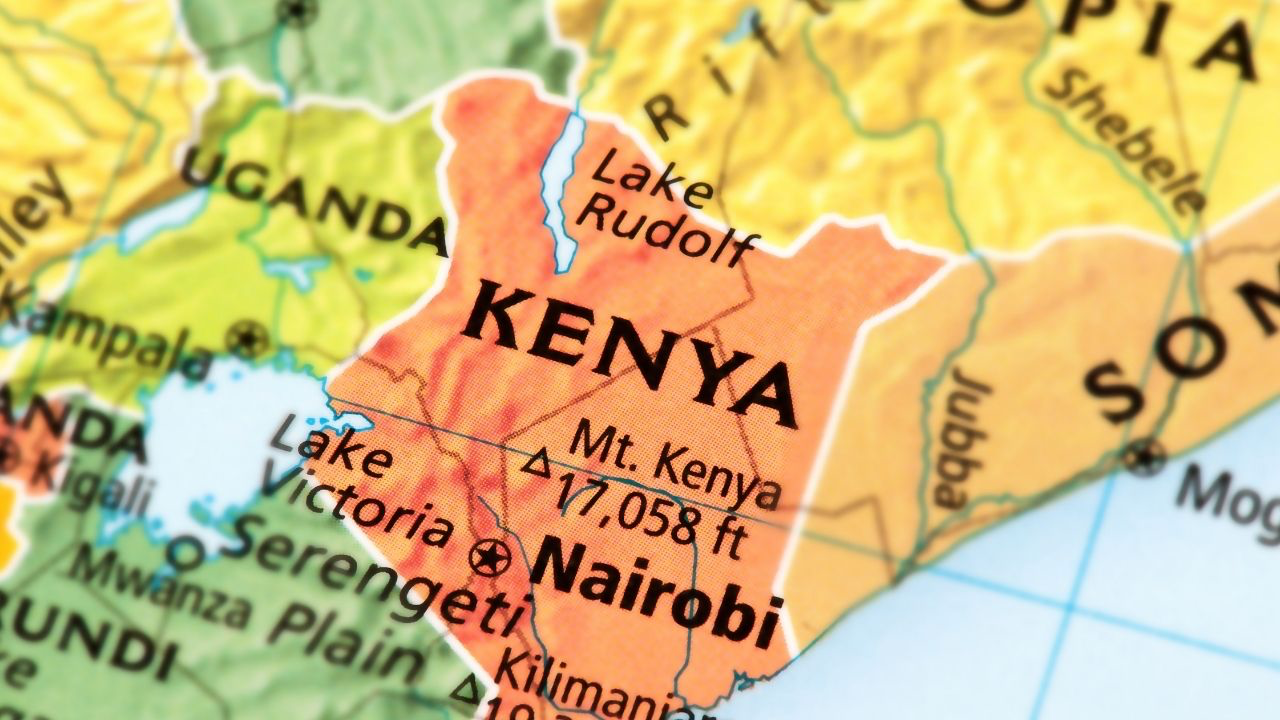
Kenya’s National Assembly has passed the Sports (Amendment) Bill 2026, introducing tougher penalties for match-fixing and establishing a new framework for investigating the manipulation of sporting competitions.
The Bill passed its Third Reading on 19 August following amendments approved by the National Assembly and will now proceed to the Senate. Sponsored by nominated MP Irene Mayaka, the legislation seeks to amend the Sports Act 2013 and introduce specific offences relating to sports manipulation.
Match-Fixing Penalties Increased
The National Assembly significantly increased the proposed penalties contained in the original Bill, which had provided for a maximum fine of KSh1 million and imprisonment of up to one year.
Under the amended legislation, anyone who directly or indirectly participates in, aids, enables or assists with the manipulation of a sporting competition could face a fine of up to three times the value involved in the offence or KSh10 million, whichever is higher. A prison sentence of up to five years can also be imposed, either alongside or instead of a financial penalty.
Mayaka said the changes followed concerns raised by MPs that the original sanctions would not provide a sufficient deterrent.
“Most Members felt that the initial fine that I had suggested in the Bill of Ksh1 million was not punitive enough,” she said, with the increased penalty designed to account for cases where those involved in manipulation could receive considerably larger financial benefits.
The amended definition of sports manipulation covers an intentional arrangement, act or omission designed to improperly alter the result or course of a sporting competition, removing some or all of its unpredictable nature in order to obtain an undue advantage.
Betting Regulators Included In Investigation Framework
The legislation also establishes a framework allowing the Directorate of Criminal Investigations (DCI) and relevant sporting organisations to conduct separate investigations into suspected manipulation. Neither investigation will depend upon the commencement, progress or outcome of the other.
Sporting organisations will be able to request information, records and explanations from individuals under their jurisdiction, including athletes, coaches, referees, administrators, clubs, leagues and other support personnel. Both sporting bodies and the DCI will generally be required to provide those under investigation with an opportunity to be heard before an adverse finding or sanction is imposed.
Significantly for Kenya’s gambling sector, sporting organisations will be permitted to cooperate and exchange information with betting regulators, law enforcement agencies, regulatory bodies and other competent authorities. Information sharing will remain subject to applicable confidentiality and data protection requirements.
Sports Kenya was removed from the proposed investigative framework during the amendment process after concerns were raised about whether its existing responsibilities and resources were suited to investigating sports manipulation.
Clubs And Individuals Face Sporting Sanctions
Alongside criminal penalties, sporting organisations will have powers to impose disciplinary measures against those found to have participated in manipulation. Possible sanctions include warnings, fines, suspensions and temporary or permanent bans from sporting activities.
Deregistration and the forfeiture of proceeds obtained through manipulation will also be available. Where a club or association is responsible for an offence, the sporting organisation could order the forfeiture of the result of the affected match.
The measures are intended to create a clearer separation between sporting and criminal proceedings, with disciplinary action taken by a sporting organisation not preventing the DCI from pursuing potential criminal liability arising from the same conduct.
Following its approval by the National Assembly, the Sports (Amendment) Bill 2026 will now move to the Senate for consideration and must complete the remaining legislative process before becoming law.