Nigel Farage Warns High Street Bookmakers Face Rapid Decline
Reform UK leader claims recent tax changes could see most betting shops disappear within a year.
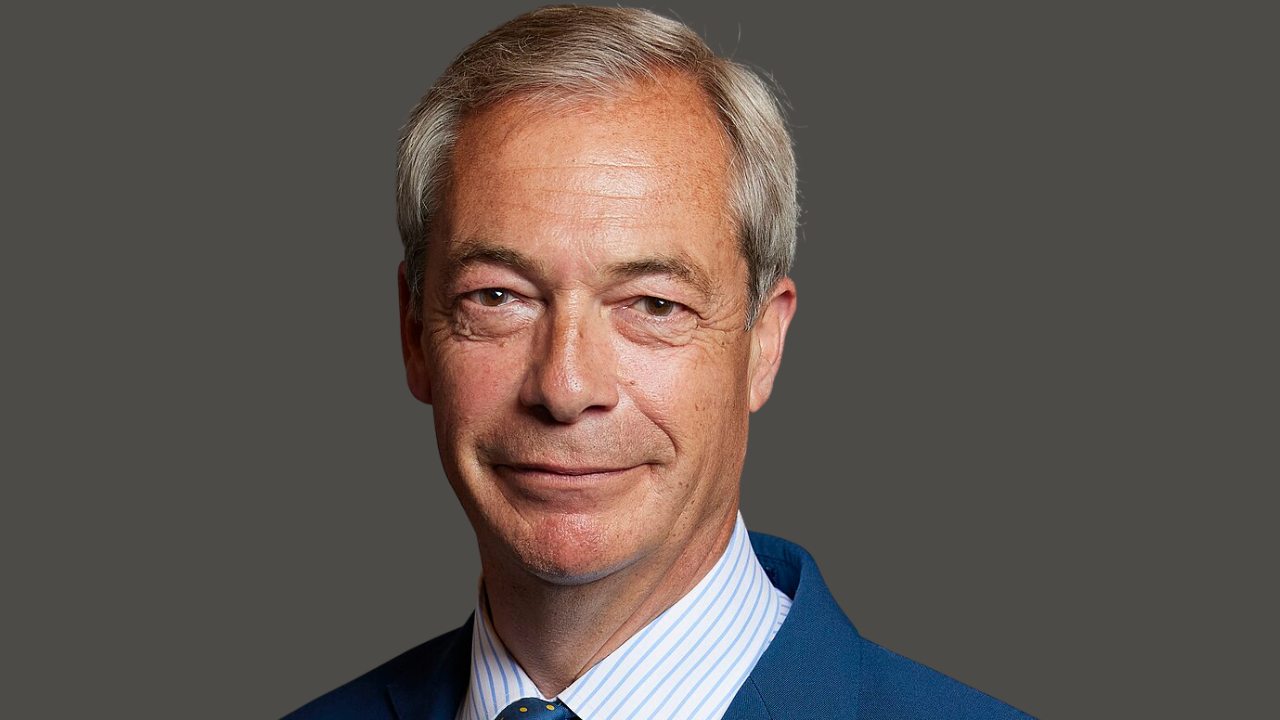
Nigel Farage has renewed his criticism of recent gambling tax reforms, warning that the UK’s high street betting sector could shrink dramatically within the next 12 months as a result of changes announced in the Autumn Statement.
The Reform UK leader has positioned himself as a vocal supporter of the betting and gaming industry in recent months, particularly in response to the government’s decision to increase Remote Gaming Duty from 21% to 40% of gross gambling revenue from April 2026. While the rise does not directly apply to retail betting shops, Farage argues the wider impact of the tax package will still be felt on the high street.
Speaking on Times Radio’s Politics Unpacked podcast while discussing business rates in Chancellor Rachel Reeves’ budget, Farage broadened the conversation to gambling taxation.
“It’s not just business rates, important though that is, it’s a whole variety of other taxes and regulations,” he said. “Take gambling taxes. When you think of our high streets, they are dominated by bookmakers and charity shops.
“I promise you, in a year’s time, most of those bookmakers will be gone because of recent changes on gambling taxes in this budget. What you’re seeing with horse racing and football betting is that it’s either going to the black market or it’s mostly going abroad.”
Farage added that many bettors he knows now use offshore operators, citing declining competitiveness and regulatory pressure in the UK market.
Long-standing support for betting sector
This is not the first time Farage has spoken out in defence of betting shops and related leisure businesses. He has previously highlighted the social role played by high street bookmakers, particularly for older and isolated customers.
“One of the things that does still survive on the high street is the bookmaker shop, which for a lot of lonely people is a place they can go in and meet people,” he said at a Reform UK business conference last year, adding that millions of people in the UK place a bet each week.
Farage has also linked his support to horseracing and amusement arcades, particularly in coastal constituencies. In the run-up to the Autumn Statement, he publicly opposed higher gambling taxes and aligned himself with industry campaigns warning of job losses and reduced investment.
Industry prepares for impact
Although retail betting has largely avoided direct tax increases, the sector could still feel knock-on effects. Major operators have already indicated that marketing budgets may be reduced by around 20% to offset higher online tax costs, while analysts expect some operators to reassess the profitability of marginal betting shops.
Political divisions on gambling reform are now firmly drawn. While Farage continues to argue that higher taxes will push customers towards unregulated markets, a number of Labour MPs have called for tougher restrictions, joined by some senior Conservatives. With tax changes now confirmed, the focus has shifted to how operators adapt — and whether Farage’s prediction for the high street proves accurate.