Thailand Makes Further Steps to Legalise Casino Operations
This initiative signals a pivotal shift in the nation’s stance on gambling, with the goal of revitalizing its tourism industry and driving economic growth.
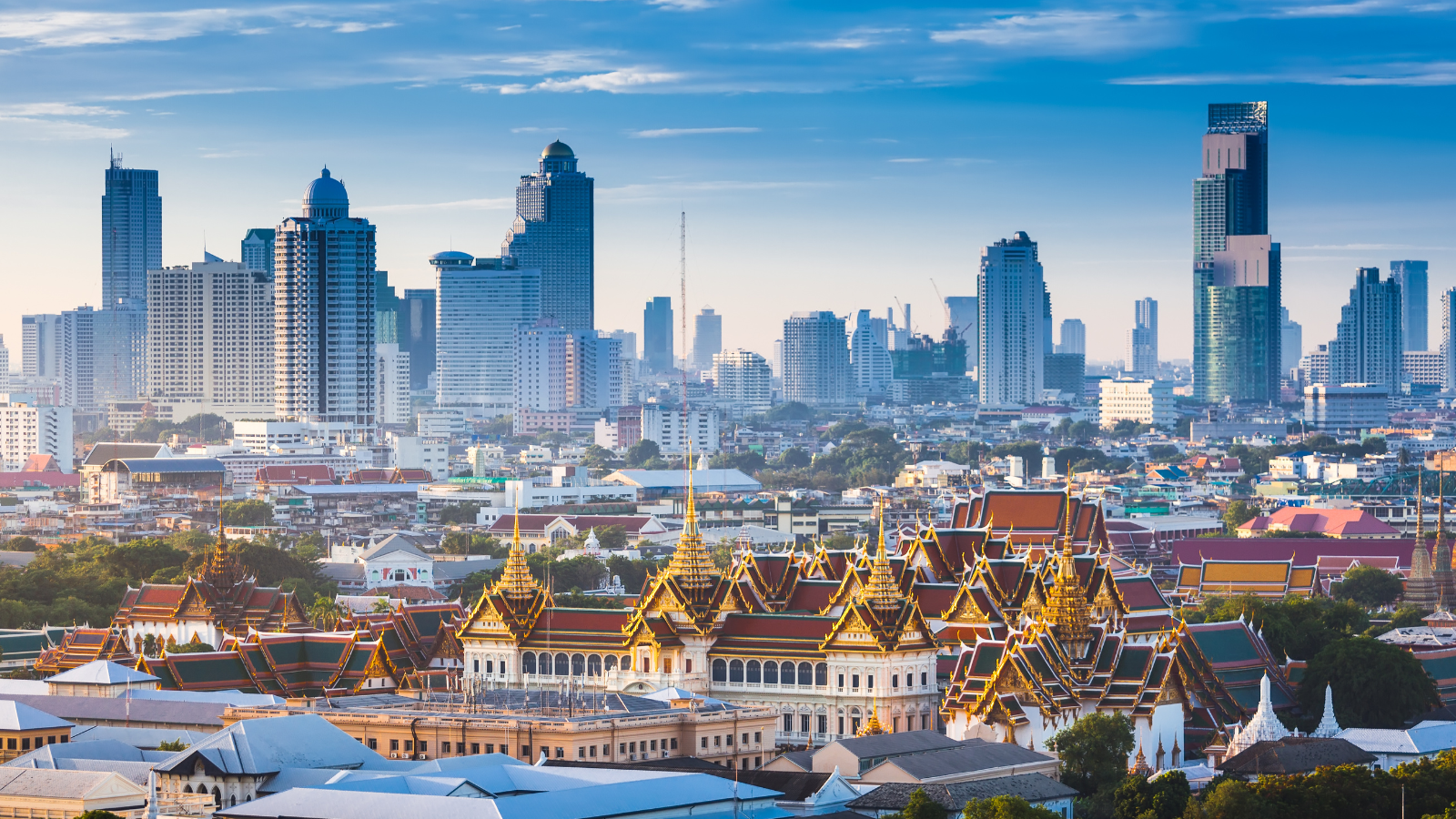
Amid ongoing debates and evolving perspectives on gambling, Thailand's new government is taking decisive steps toward legalizing casino operations as part of a proposed mega entertainment complex. This initiative signals a pivotal shift in the nation’s stance on gambling, with the goal of revitalizing its tourism industry and driving economic growth. As the country navigates these changes, the government is focusing on tapping into the potential of legalized gambling to create a regulated environment that maximizes benefits while addressing social concerns.
Public Support through Consultation
In a recent key development, Deputy Finance Minister Julapun Amornvivat announced that an online public consultation regarding the proposed legislation for a large-scale entertainment complex, which includes a casino, yielded substantial public backing. “The conclusion of a public hearing conducted online over a bill to establish a ‘mega entertainment complex’ housing a casino showed 80% of participants agreed with the plan,” Julapun stated, as reported by Reuters.
This overwhelming endorsement reflects a shift in public opinion, with many Thais acknowledging the potential benefits of legal, regulated gambling. Following this favorable outcome, the government will refine the bill, engage in further collaboration with coalition partners, and seek cabinet approval to solidify the plans.
Current State of Gambling in Thailand
Despite the current ban on casinos and most forms of gambling in Thailand, there are exceptions such as state-run horse racing and the national lottery. However, illegal gambling remains widespread, particularly in soccer betting and underground gambling rings. These illicit activities move large sums of money, contributing to an extensive underground economy. By legalizing casino operations, the government aims not only to curb these illegal activities but also to bring gambling into a regulated framework. This shift is expected to mitigate the risks associated with unregulated gambling while providing a new source of revenue for the state through taxation and fees.
Political and Economic Context
The push to legalize casino operations is not new in Thailand. Successive governments have periodically considered similar proposals, but they have often met with resistance, especially from the country’s conservative Buddhist majority, which remains wary of the social impacts of gambling. However, this current initiative benefits from strong political momentum under the leadership of Prime Minister Paetongtarn Shinawatra. Backed by her father, former Prime Minister Thaksin Shinawatra, a billionaire known for his bold economic reforms, the proposal is gaining traction. Thaksin has long advocated for legalizing gambling as a way to boost tourism and state revenue, and his influence in shaping this policy is significant.
The proposed mega entertainment complex, with its integrated casino, represents more than just a potential financial boon. It aligns with Thailand’s broader economic strategy of rejuvenating its tourism sector post-pandemic, offering international visitors a world-class entertainment destination that rivals other regional hubs.
A Strategic Shift for Economic Growth
As Thailand’s economy seeks recovery and growth in a post-COVID world, the potential legalization of casinos could play a crucial role. By formalizing and regulating gambling, the government can tap into a lucrative market while also addressing longstanding issues of illegal gambling. The influx of tourists drawn to a fully integrated entertainment complex could significantly contribute to the country’s GDP, while also creating jobs and fostering regional development.
Although there remain moral and social concerns, the government’s approach indicates a commitment to careful regulation and public consultation. By navigating the opposition from conservative voices and aligning the initiative with the broader goal of economic revitalization, Thailand’s leaders are positioning the country for a new chapter in its approach to gambling.
In this evolving landscape, the success of the proposed mega entertainment complex—and its casino—will likely serve as a barometer for future gambling reforms in the country. With strong political backing and public support, Thailand is poised to take a significant step toward becoming a regional hub for entertainment and tourism, setting the stage for broader economic prosperity.