Roundtable - Getting Seen: Data, Discovery and the Studio-Affiliate Relationship
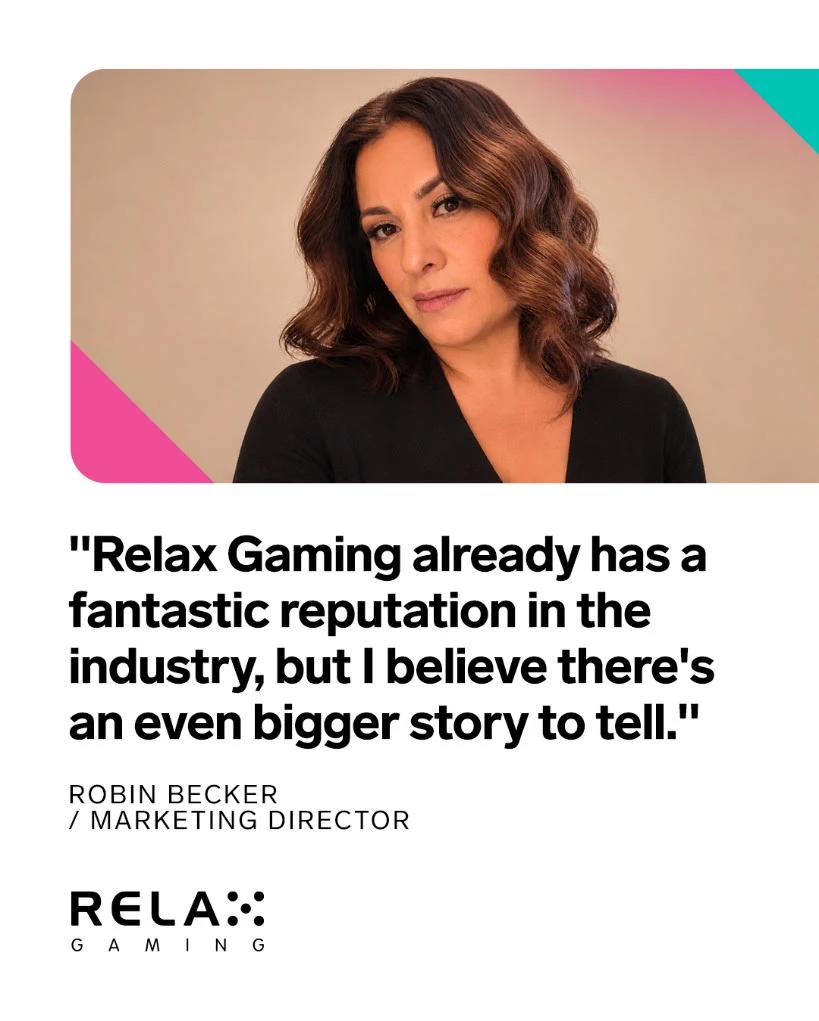
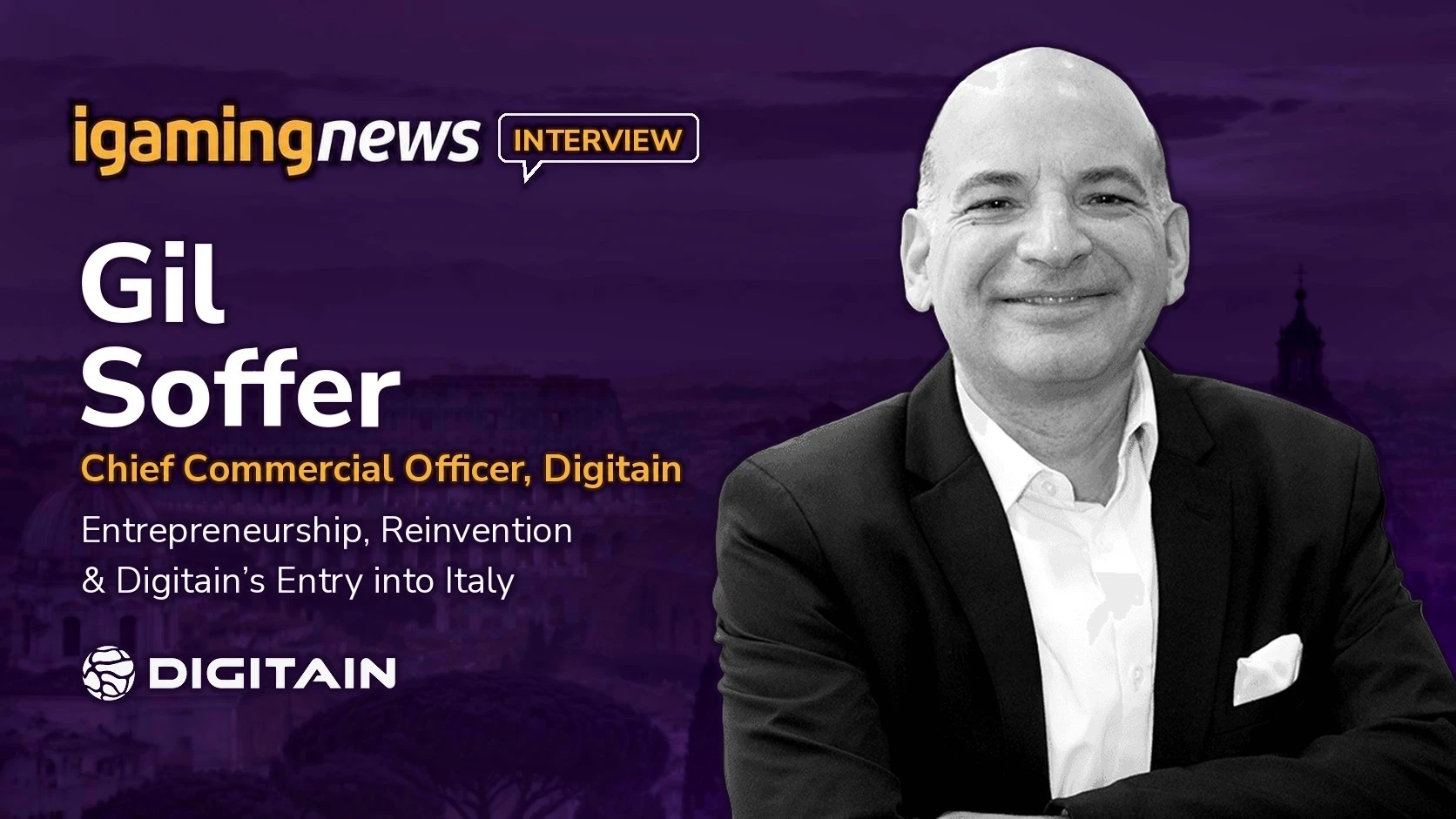
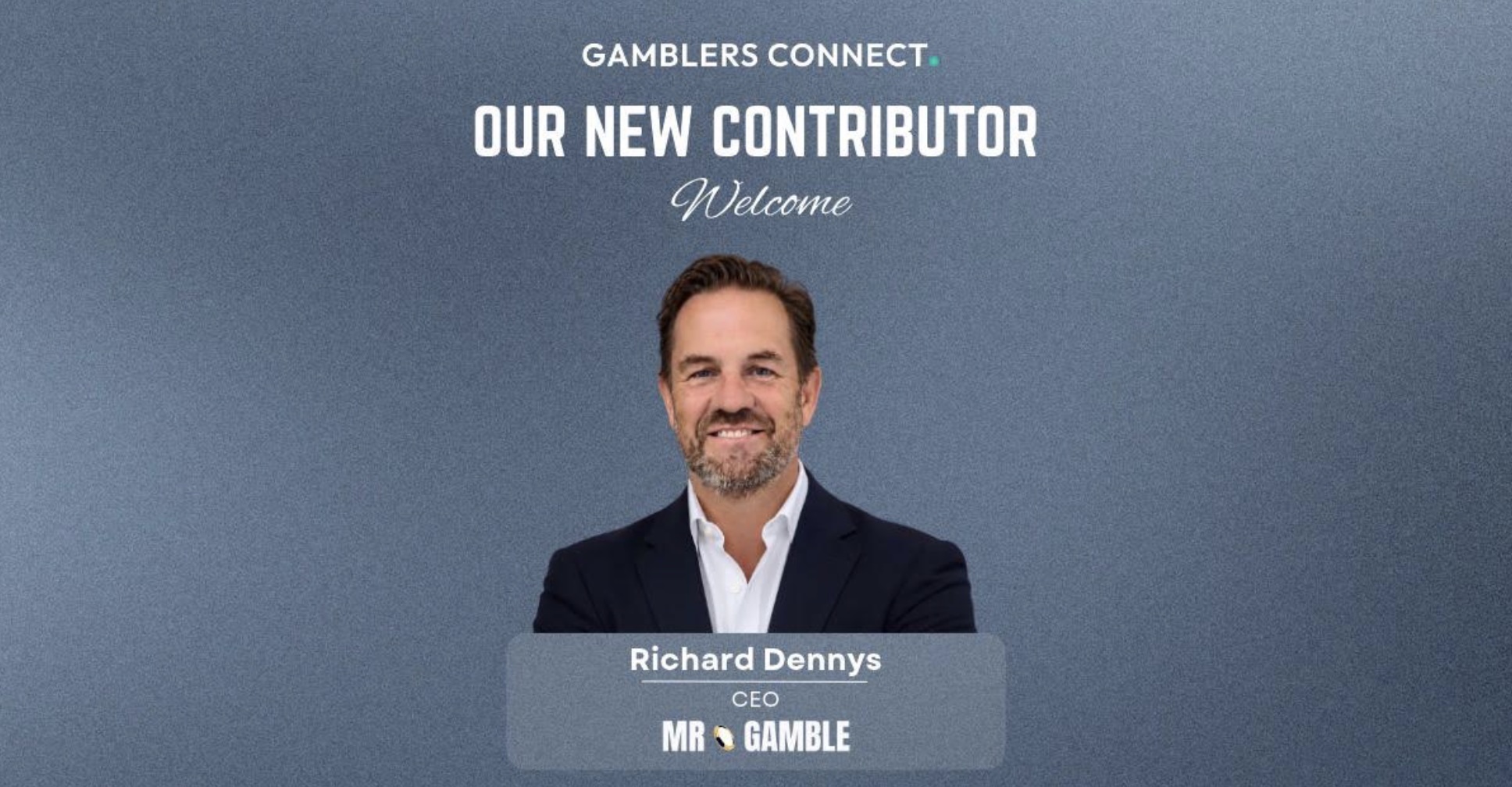
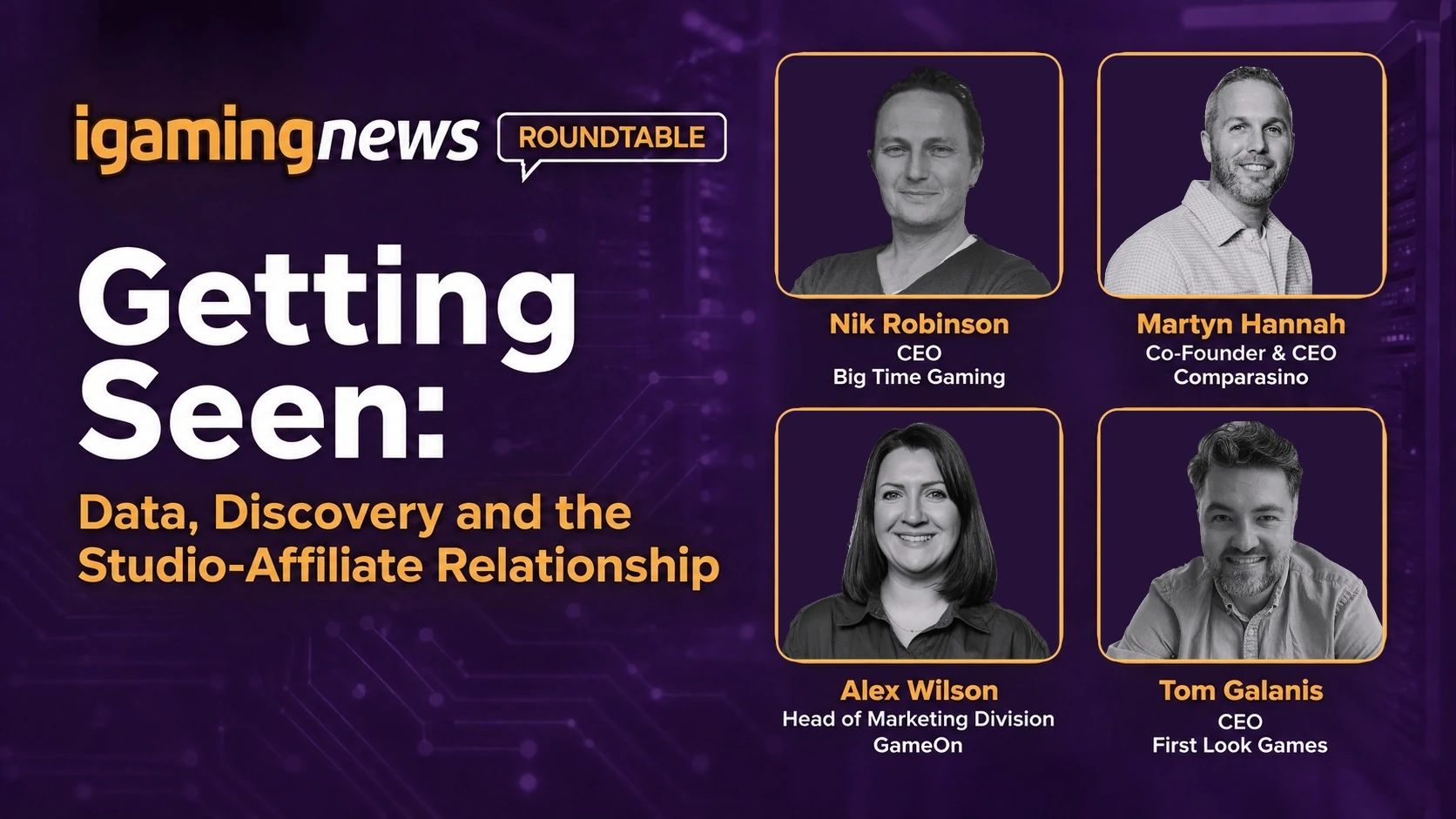
Big Time Gaming’s Nik Robinson, Comparasino’s Martyn Hannah, GameOn’s Alex Wilson and TAG Media/First Look Games’ Tom Galanis discuss how new slots find their audience, which data genuinely helps and how studios and affiliates can build stronger partnerships.
Listen to this article
British female voice
Thousands of new slots hit the market every year, but many of them are rarely discovered. In a field that crowded, getting a game in front of the right players has become less about the launch itself and more about what happens around it – the relationship between the studios making the games and the affiliates putting them in front of audiences, and the data passing between the two.
For this roundtable, we brought together three viewpoints on that relationship: a studio in Big Time Gaming, the renowned inventor of Megaways; an affiliate in Comparasino and the partners behind Studio Leaders – GameOn, First Look Games and TAG Media – the joint venture built to help studios act on affiliate data.
1. In the last few years, what has actually changed about how a new game finds its audience – and what still works the way it always did?
Nik Robinson, CEO at Big Time Gaming
The volume of releases is the obvious change. When we put Megaways into Bonanza in 2016, a new idea had a reasonable chance of being noticed on its own. Now a game launches alongside hundreds of others in the same month, and an operator lobby can only feature so many of them.
More of the discovery happens before a player gets to a lobby at all, on affiliate sites and streams, so the way a game is described out there counts for nearly as much as the way it plays. The part that still works is players telling each other about games. Megaways travelled as far as it did partly because people could explain it in one sentence.
Martyn Hannah, Co-founder & CEO, Comparasino
What’s changed most is that players increasingly choose where to play based on fit rather than headline bonuses. Signing up to a new site or switching brands involves more friction than it used to, and welcome offers are less generous, so players are more selective about where they go.
That’s where Comparasino comes in, at the very start of the journey, matching players with online casinos and bingo sites that suit their preferences. One of the key criteria is the games themselves, which is why players can match with brands based on the studios they carry.
What hasn’t changed is that players still gravitate towards studios and mechanics they know and trust. A great game from a recognised studio remains one of the strongest reasons to choose one site over another, and that’s something we see in the preferences our users share with us every day.
Alex Wilson, Head of Marketing Division, GameOn
The biggest change is the sheer volume of content competing for attention. A great game alone isn’t enough to guarantee visibility anymore. Studios need to think beyond launch day and consider how their titles are discovered, discussed and promoted over time.
What’s remained consistent is the importance of good storytelling and strong relationships. Publishers still need a compelling reason to feature a game, and audiences still respond to content that captures their interest.
The difference today is that marketing needs to be much more targeted and sustained. A single announcement might generate initial interest, but it’s the activity that follows which keeps a game relevant.
Tom Galanis, CEO, TAG Media/First Look Games
The shop window has moved. Ten years ago a new slot lived or died by its lobby position. Now most players have already formed a view from an affiliate page, a stream or a demo before they log in. What hasn’t kept up is the money. Studios still put most of their launch effort into operators, while the affiliates doing much of the early persuasion are paid by the operator for depositors, not by the studio for players of its game. First Look Games tracks more than 1,300 studios and 600,000 game reviews, and the games that last tend to be the ones affiliates keep writing about after month one. That part hasn’t changed at all.
2. What do you most need from the other side of the table that you aren’t always reliably getting today? Studios, what would you ask of affiliates? Affiliates, what would you ask of studios?
Nik Robinson, CEO at Big Time Gaming
Accuracy, more than anything. Our games don’t always have the same features in every market, and Bonus Buy is only there where it’s permitted, so a review written from the wrong version can tell players something that simply isn’t true for them. I’d much rather an affiliate came back to us with a question than filled the gap with a guess.
After launch, I’d ask for more feedback. Operators can show us how a game performs, but affiliates hear what players actually say about it, which features they talk about and where they get bored. That’s what we want to know when deciding what to build next, and very little of it reaches studios today.
Martyn Hannah, Co-founder & CEO, Comparasino
Comparison sites need partners who see them as more than just acquisition channels. The operators we work with most closely are the ones that get the most from our matching.
From studios, the biggest ask is clear, consistent and up-to-date information: what a game offers, when it launches and, crucially, which operators carry it. Players can match with casinos based on the studios they want to play, so the more accurate that picture is, the better players can find the games they’re looking for.
We’d also welcome studios contributing to content, such as interviews and articles for our blog, where players can get to know the people behind the games they play.
Alex Wilson, Head of Marketing Division, GameOn
From a marketing point of view, I’d like to see much more collaboration earlier in the process. Too often, marketing activity is planned around a launch date without fully considering what publishers need to create meaningful coverage.
Affiliates need accurate information, engaging assets and a reason to keep talking about a game beyond its initial release. Equally, studios would benefit from understanding which content resonates with audiences and where opportunities for further exposure exist.
It’s about moving away from one-off interactions and towards more collaborative relationships. When everyone understands the objectives, the audience and the opportunities, it’s much easier to create campaigns that deliver value beyond a few days of launch coverage.
Tom Galanis, CEO, TAG Media/First Look Games
I’m in an unusual seat, because TAG Media works with affiliates and First Look Games works with studios, so I’ll ask both.
To studios: treat affiliates as a media channel with a budget and a brief, not a mailing list for press kits. Most affiliates are never actually asked to do anything for a studio, so they don’t.
To affiliates: make your work measurable at game level. If you can tag traffic to a specific game and show what happened after the click, you stop being a cost the operator absorbs and become something a studio will pay for directly.
Nik’s point about accuracy matters too. It just gets fixed faster once both sides have money riding on it.
3. Which data genuinely helps get a game in front of the right players – and who should be responsible for producing and sharing it?
Nik Robinson, CEO at Big Time Gaming
The most useful data is the plain kind, such as RTP, volatility, hit rate, max win, and which features are live in which market. A studio knows all of that precisely, so it’s on us to supply it in one consistent format before launch instead of waiting to be chased.
Affiliates hold the other half. They can see which reviews players actually read and which demos get played, and that tells you far more about who a game suits than any number on our side. If more of that came back to studios, launch plans could be aimed at the players most likely to enjoy a game rather than spread across everyone.
Martyn Hannah, Co-founder & CEO, Comparasino
For us, it starts before the player ever sees a game. They have to sign up, deposit and perhaps claim a welcome offer first, so if the casino isn’t the right fit, the best slot in the world won’t get a look in. That’s why the first piece of useful data is what players want before they arrive, which is exactly what our matching captures.
From there, each part of the chain holds a different piece of the picture. Studios know what their games offer, from features and mechanics to volatility and RTP, and that information needs to be clear and consistent so players can search for it, not just for names and titles. Operators know which games players actually enjoy once they’re in the lobby, which lets them surface relevant content, within proper safer gambling safeguards. And comparison sites can share anonymised, aggregated insight into what players are looking for.
No one has the full picture alone, so the responsibility is shared. The more openly each side shares what it knows, the better every game’s chance of reaching the right players.
Alex Wilson, Head of Marketing Division, GameOn
The most valuable data is the kind you can actually do something with. Knowing where a game is being featured, which markets are generating attention, how competitors are performing and where visibility gaps exist can make a real difference to marketing decisions.
But having access to data is only half the challenge. Someone needs to interpret it, identify the opportunities and turn those insights into meaningful activity.
Responsibility should be shared. Studios provide accurate game information, affiliates contribute insight into their audiences, and marketing teams connect the dots through targeted campaigns, relevant content and consistent messaging.
Ultimately, the goal is to make better decisions with it.
Tom Galanis, CEO, TAG Media/First Look Games
The data nobody has today is the link between the click and the game. An operator knows which affiliate sent a player and, separately, which games that player played. Nobody puts the two together, so a studio can’t tell which sites brought it players who stuck with a game, and an affiliate can’t prove it.
That link sits with the operator, so I think the operator should produce it, in aggregate: players, spins and return rates by campaign and game, with no personal data leaving the building. Studios supply the accurate game data Nik describes, affiliates bring audience insight and operators close the loop. Without that last piece, everyone is guessing about the bit that matters most.
4. As the affiliate sphere starts to professionalise, what does that change for the studios and operators who work with it?
Nik Robinson, CEO at Big Time Gaming
It makes affiliates easier partners to put our name next to. A studio is regulated in every market it supplies, and so are the operators we work with, so when an affiliate holds itself to similar standards there’s less to check and more we can share with confidence, including data.
I’d hope it doesn’t make affiliate content cautious to the point of being dull. The affiliates players trust have always been the ones with a real opinion on a game, and that includes saying when they don’t rate one. A professional affiliate can still do that, and I’d rather work with one who does.
Martyn Hannah, Co-founder & CEO, Comparasino
In mature markets like the UK, the best affiliates are already operating professionally. The operational demands of running a successful comparison site are significant, from compliance and safer gambling to technology and data, and that’s quickly becoming the price of entry.
The opportunity now is to make that the standard for everyone. We’d welcome affiliates being required to hold their own licence, and until then, there’s one simple test every affiliate should be judged by: do you only send players to licensed sites?
For studios and operators, a more professional affiliate sector means partners they can trust, not just for acquisition but for retention too. When everyone in the chain is accountable, studios and operators can work with affiliates more openly, share more and build the kind of long-term partnerships that reach players at scale, responsibly and within the rules.
Alex Wilson, Head of Marketing Division, GameOn
I believe it creates an opportunity for stronger, more transparent relationships across the industry.
From a marketing perspective, consistency and credibility are incredibly important. Studios need confidence that their games are being represented accurately, particularly when features, regulations and promotional requirements differ between markets.
The more professional the affiliate ecosystem becomes, the easier it should be to establish clear expectations around content, compliance and communication.
It also creates opportunities for more meaningful collaboration. Rather than treating affiliates purely as promotional channels, studios can build relationships based on shared objectives, better communication and long-term value. That’s ultimately where the strongest partnerships come from.
Tom Galanis, CEO, TAG Media/First Look Games
I have worked on affiliate codes of practice for a long time and the repetitive lesson I take from that is that standards stick when they pay. If a compliant, well-run affiliate earns the same as a site that cuts corners, professionalism stays a cost.
So I agree with Martyn on licensing, but the bigger change for studios is commercial. A professional affiliate is someone you can comfortably contract with directly: set a brief, agree what will be delivered, check it happened and pay for results. That gives affiliates a second revenue line beyond operator CPA, and gives studios a channel they can plan around rather than hope for. Operators get better-behaved traffic, from partners with more than one customer.
5. Where does the current way of working quietly waste time or money, and what would fix it?
Nik Robinson, CEO at Big Time Gaming
Asset requests take up far more time than they should. Every affiliate needs screenshots, video and game information in slightly different formats, and the same questions tend to arrive separately from people working on different sites, so studios end up preparing the same material several times over. One central place where everything is kept up to date, and where affiliates can find it themselves, would remove most of that.
Where money gets wasted is launch spend that goes everywhere at once. Pushing a new game to every audience in the same week looks thorough, but a lot of it reaches players who were never going to enjoy that type of game.
Martyn Hannah, Co-founder & CEO, Comparasino
A lot of it comes down to a lack of transparency. Inconsistent game information means affiliates spend time checking and correcting details that should be shared reliably from the start. And on the commercial side, changes to terms aren’t always communicated clearly or in advance, which means time spent monitoring agreements rather than building partnerships.
We understand the pressures everyone is under in the UK market right now, and we’re always happy to have open conversations about commercial terms that work for both sides. But surprises erode trust, and trust is what long-term partnerships are built on.
Alex Wilson, Head of Marketing Division, GameOn
One of the biggest missed opportunities is how much effort goes into launching a game compared with keeping it visible afterwards.
Studios invest heavily in announcements, creative assets and launch campaigns, but that activity often drops off just as the game starts reaching its audience. Meanwhile, existing content could be refreshed, publisher relationships developed and new promotional opportunities explored.
There’s also a tendency to spread marketing activity too broadly rather than focusing on the audiences and markets where it can have the greatest impact.
A more joined-up approach would make a significant difference. Better insight, clearer priorities and ongoing content planning can help studios get more value from the work they’re already investing in.
Tom Galanis, CEO, TAG Media/First Look Games
The quiet waste is that nobody is reading the same number. The studio has its operator reports, the affiliate has its clicks and the operator has its deposits, so every review meeting starts with someone reconciling spreadsheets.
A smaller version of the same problem: reviews and creatives pointing players to a casino that doesn’t carry the game, or no longer does. That’s paid traffic arriving at a dead end, and it happens more often than anyone realises.
The fix is unglamorous. One tracking code per campaign that all three parties recognise, and a regular check that every link to a game lands somewhere it’s live. Neither needs new technology, just an agreement to use the same reference.
6. Picture the studio-affiliate relationship three years from now. What does a healthy version of that look like? What has to change between now and then to get there?
Nik Robinson, CEO at Big Time Gaming
In a healthy version, a studio would know before launch which affiliates have audiences that suit a particular game, and those affiliates would get the full detail early enough to write something worth reading. Both sides would be working from the same numbers, and what players say about a game would find its way back to the people who made it.
Getting there takes more openness from both of us. Studios need to share more about a game before it’s released, which doesn’t come naturally to anyone protective of a new idea. Affiliates need to see the player insight they gather as something worth passing on rather than keeping to themselves.
Martyn Hannah, Co-founder & CEO, Comparasino
Different affiliates will work with studios in different ways. For us, the relationship runs through the operators we partner with, and I think a healthy version three years from now is less about who works directly with whom, and more about everyone in the chain playing their part well.
That means studios sharing clear, consistent information about their games, operators keeping accurate details of what’s live in their lobbies, and comparison sites sharing anonymised, aggregated insight into what players are looking for. When that information flows properly, players find casinos with the games they’ll actually enjoy, and studios’ games reach the players most likely to want them.
To get there, the kind of consistent information I mentioned earlier needs to become standard, and the affiliate sector needs to be licensed and accountable, so everyone in the chain can trust the information they’re sharing.
In a market where thousands of games launch every year, that’s what gives every good game a better chance of being found.
Alex Wilson, Head of Marketing Division, GameOn
I’d like to see a relationship that’s far more collaborative, proactive and commercially focused.
Studios should have a clearer picture of where their games are being promoted, which audiences they’re reaching and where the next opportunities lie. Affiliates should have access to the information, assets and relationships they need to create valuable content.
Most importantly, the conversation shouldn’t end once a game launches.
That’s the thinking behind Studio Leaders. By bringing data, publisher relationships and marketing execution together, there’s an opportunity to make affiliate activity much more strategic and sustainable.
Ultimately, success should be measured by the value those relationships create over time, not simply how much attention a game receives during launch week.
Tom Galanis, CEO, TAG Media/First Look Games
It’s time for affiliate marketing and its proponents to put products before brands.
Three years from now I would like the studio to be the third revenue-oriented customer in the affiliate model, alongside the operator – and have a clear and measurable ROI from the activity it’s conducting. Affiliates would be paid for depositors by operators and for engaged players by studios, measured on the same report.
In that version, a studio launches with a budget split across the affiliates whose audiences suit the game, sees within weeks which ones brought players who stayed, and moves the money. Martyn is right that everyone has to play their part, but parts get played when they’re paid for.
What has to change: studios need a growing affiliate line in their marketing budget, and the industry needs a game-level measure that all three sides trust and build upon.
Stay ahead of iGaming
Get the week's key stories, industry insight and exclusive interviews in your inbox.
One email a week. Unsubscribe any time. More about our newsletter