UKGC: William Hill Group Companies Will Forfeit A Record $19.2 Million Loss.
For failings in social responsibility and anti-money laundering, three gambling companies owned by William Hill Group will pay a combined amount of £19.2 million.
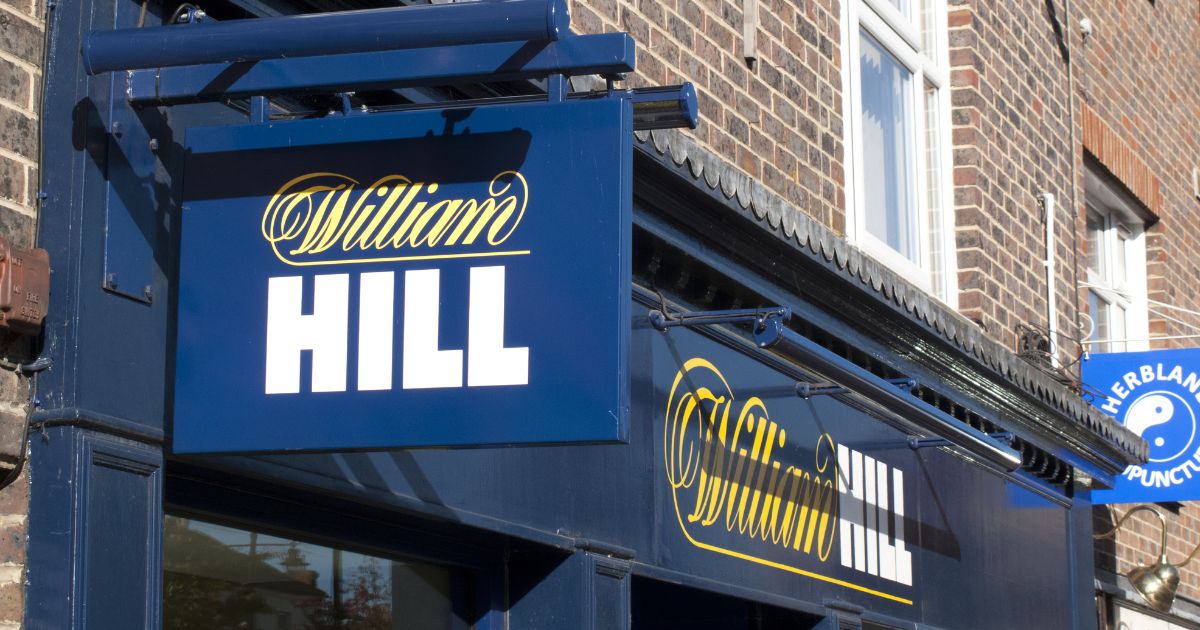
William Hill Organization Ltd, which manages 1,344 gambling establishments around Britain, will pay £3 million, Mr Green Limited will pay £3.7 million, and WHG (International) Limited, which controls williamhill.com, will pay £12.5 million.
Chief executive of the Gambling Commission, Andrew Rhodes, stated: "When we launched this investigation the failings we uncovered were so widespread and alarming, serious consideration was given to licence suspension.
"However, because the operator immediately recognised their failings and worked with us to swiftly implement improvements, we instead opted for the largest enforcement payment in our history."
The Commission recently penalised two operators controlled by Kindred Group plc a total of £7.2 million, and today's action is the most significant enforcement case the agency has ever taken on. The previous biggest suit, against Entain in August last year, cost £17 million.
Due to regulatory failures, operators have paid approximately £76 million in settlements for 26 enforcement cases that the Commission has resolved since the year 2022 began.
"In the last 15 months, we have taken unprecedented action against gambling operators, but we now see signs of improvement. There are indications that the industry is doing more to make gambling safer and reducing the possibility of criminal funds entering their businesses.
"Operators are using algorithms to spot gambling harms or criminal risk more quickly, interacting with consumers sooner, and generally having more effective policies and procedures in place." said Mr Rhodes.
Failures in William Hill companies' social responsibility include:
- lacking the controls necessary to effectively account for high velocity spend and duration of play till the consumer may have been exposed to the risk of suffering significant losses quickly:
- Without any checks, one customer was permitted to open a new account and spend $23,000 in 20 minutes.
- Another consumer was given permission to register an account and make checks-free purchases totaling £18,000 in a single day.
- Moreover, a third client was permitted to register a new account and make checks-free purchases totaling £32,500 over two days. (Mr Green)
- One customer lost £14,902 in 70 minutes because checks weren't done early in the customer's journey and certain customers weren't identified as being at risk of gambling-related harm. (Mr Green)
- Failure to recognise danger of harm or take action sooner with some consumers - one customer lost £54,252 in four weeks without the operator requesting income documentation, conducting sufficient checks, or using any other practical technique to recognise risk of harm. (WHG (International) Limited)
- Inadequate controls exposed new or returning customers to the risk of significant losses in a short amount of time. One customer opened his account and lost £11,400 over the first 30 days without being subject to enough checks. Another customer did not have a telephone interaction until losses reached £45,800. (WHG (International) Limited)
- One customer was permitted to place a £100,000 bet right away even though his credit limit was only set at £70,000 because a 24-hour waiting period between receiving and issuing a request for a credit limit increase was not followed.(WHG (International) Limited)
- Despite having self-excluded with Mr. Green, insufficient controls allowed 331 consumers to bet with WHG (International) Limited.
- Failure to notice changes in the client's behaviour that should have prompted the question of whether the customer was in harm's way; a safer gaming interaction wasn't carried out until after he placed and accepted a $18,000 wager. (William Hill Organisation Ltd (WH Retail)
- lacking the controls necessary to effectively account for high velocity spend and duration of play till the consumer may have been exposed to the risk of suffering significant losses quickly:
- Following the Covid pandemic lockout, the operator's retail location reopened, and without providing a safer gambling interface, they permitted one customer to lose £10,600 in just two days.
- Staff did not identify one consumer as being at risk of experiencing harms connected with gambling or engage in any customer interactions, despite the fact that they placed 130 bets totaling £42,253 over the course of three days. (William Hill Organisation Ltd (WH Retail))
Failures in anti-money laundering (AML) include:
- A customer was able to spend and lose £70,134 in a month, another was able to lose £38,000 in five weeks, and a third was able to lose £36,000 in four days due to the bank allowing huge deposits without performing the necessary checks. (WHG (International) Limited)
- allowing consumers to make huge deposits without doing necessary checks; one customer lost £14,000 in four months after making a deposit of £73,535 (Mr Green)
- Customers could wager large sums of money without being closely watched or thoroughly examined. For example, the operator did not request Source of Funds (SoF) documentation from a customer who wagered £19,000 in a single bet, did not get it from another who wagered £39,324 and lost £20,360 in 12 days, and did not get it from another who wagered £276,942 and lost £24,395 over two months. (William Hill Organisation Ltd (WH Retail)
- Rules, processes, and controls lacked direction on what to do in response to customer profile results and how those results should be used to determine the right consequence. (WHG (International) Limited) and (Mr Green)
- Before customer risk profiling was finished, there were no hard stops in the procedures and controls to restrict additional spending and reduce the danger of money laundering. (WHG (International) Limited) and (Mr Green)
- Inadequate risk management information was covered in AML staff training. (WHG (International) Limited) and (Mr Green)
As part of a regulatory settlement, the entire £19.2 million will be used for charitable causes.
Further licence requirements will also be introduced to make sure that a business board member oversees an improvement plan and that it undergoes an external audit to see whether its AML and safer gaming policies, procedures, and controls are being implemented correctly.
"The settlement relates to the period when William Hill was under the previous ownership and management. After William Hill was acquired, the company quickly addressed the identified issues with the implementation of a rigorous action plan.
"The entire Group shares the GC's commitment to improve compliance standards across the industry, and we will continue to work collaboratively with the regulator and other stakeholders to achieve this." stated an 888 spokesperson.