Kenya Plans Dedicated Prediction Markets Licence As Gambling Regulator Advances Reforms
Kenya's Gambling Regulatory Authority is considering a separate licensing framework for prediction markets as participation grows across the country.
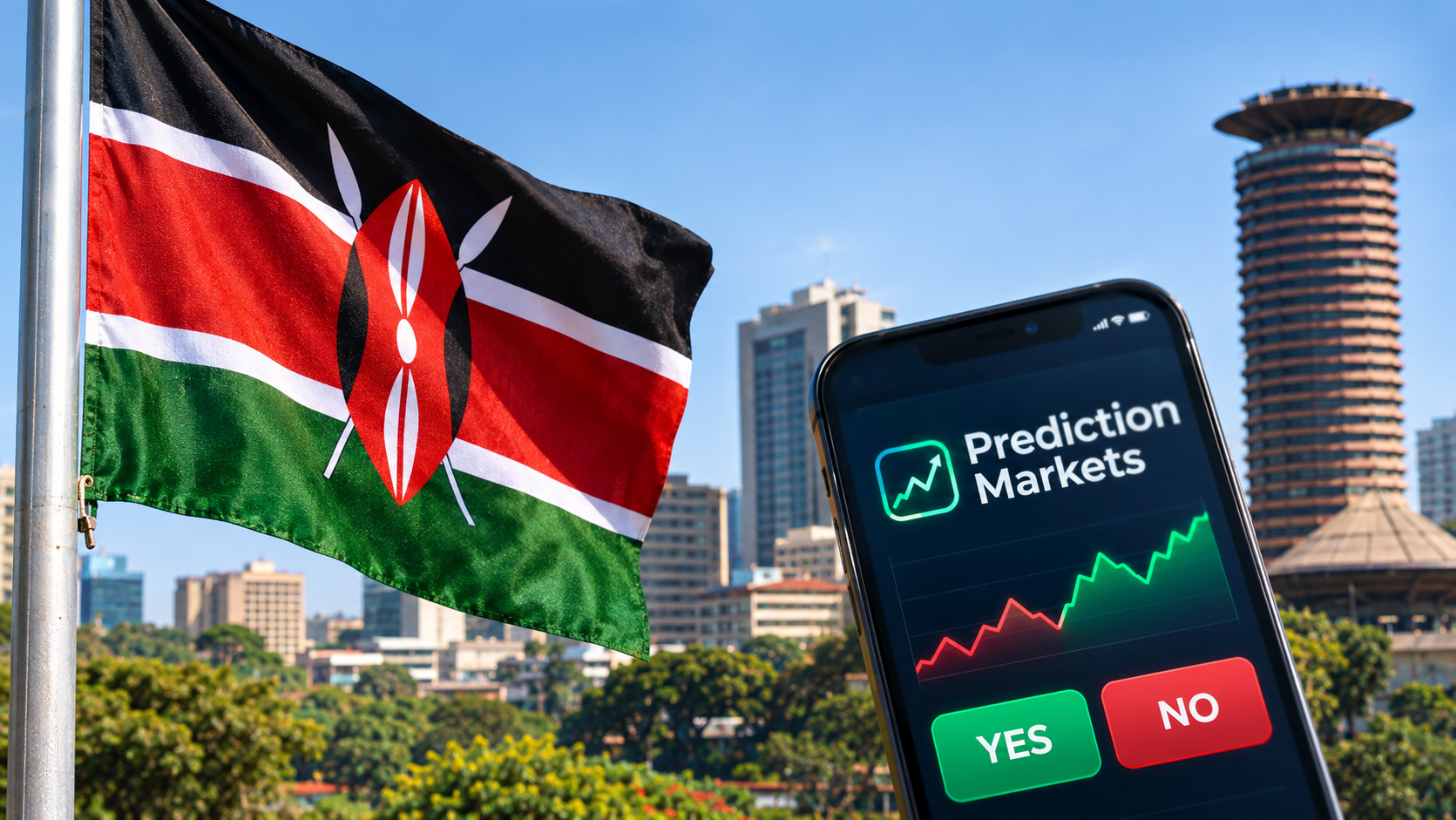
Kenya's Gambling Regulatory Authority (GRA) is progressing plans to introduce a dedicated licensing category for prediction markets, seeking to bring platforms offering event-based contracts within the country's regulated gambling framework.
The proposed approach would establish a clearer legal structure for platforms allowing customers to speculate on the outcomes of future events, including sporting competitions, elections and economic developments. However, the initiative remains at an early stage, with the regulator yet to confirm the precise licensing conditions or the types of contracts that would be permitted.
The development follows reports of growing participation among Kenyan customers using international prediction market platforms despite the absence of a specific domestic licensing framework. It also comes as regulators across Africa consider how to respond to products that combine elements of financial trading and traditional gambling.
GRA Classifies Prediction Markets As Gambling
GRA Director General Peter Karimi has indicated that the regulator considers prediction markets a form of gambling because participants stake money on uncertain future outcomes. That interpretation provides the basis for developing a dedicated licensing category rather than treating the products exclusively as financial instruments.
The proposed framework could potentially apply to international platforms such as Kalshi and Polymarket, although neither company has been confirmed as an applicant for a Kenyan licence. Questions also remain over whether operators would be permitted to offer contracts involving political events and economic indicators, and whether transactions using cryptocurrencies would be authorised alongside conventional currencies.
Kenya's approach contrasts with the regulatory uncertainty surrounding prediction markets in several other jurisdictions, particularly the United States, where disputes continue over whether sports event contracts fall under federal commodities regulation or state gambling legislation.
Elsewhere in Africa, the South African Bookmakers Association (SABA) has raised concerns about prediction market platforms operating without conventional gambling licences, warning that the products could create gaps in regulatory oversight. Kenya's proposed licensing model would instead seek to establish an explicit regulatory route for such activities, although its eventual scope and implementation remain undecided.
Legal Experts Welcome Move Towards Regulatory Clarity
Allan Mwamuye Mzungu, Partner at Nairobi-based law firm MMS Advocates, described the GRA's direction as progressive, arguing that a dedicated framework could improve legal certainty for businesses while strengthening consumer protection.
“Such a move to bring the entirety of gambling operations under a unified regulatory framework would no doubt, be a welcomed one,” Mzungu said.
He emphasised that the distinction between sports betting and contracts linked to other events should not prevent regulators from establishing appropriate safeguards. “Whether bettors are staking monies for events that are not sports, the major thing is to ensure such activity falls under a legal framework that provides for investor certainty within the sector and of course, ensures player protection.”
The proposal could provide greater clarity for international businesses considering entry into Kenya, particularly those currently operating in markets where the legal classification of prediction contracts remains contested. Nevertheless, a dedicated licence would still require detailed rules governing eligible products, operator responsibilities and regulatory supervision before companies could assess the practical requirements of entering the market.
Licensing Plans Emerge Amid Wider Regulatory Challenges
The prediction markets initiative comes as Kenya's gambling industry continues to face disputes over licensing costs and the implementation of regulatory reforms.
Increased licensing fees imposed by the GRA remain subject to legal challenges, with the regulator agreeing to refund any excess payments should the courts determine that the charges were unlawful. The ongoing proceedings underline the importance of establishing clear and legally sustainable requirements as the authority considers expanding its licensing framework.
For prediction market operators, the introduction of a specific permit could create a route towards regulated participation in Kenya, replacing the current uncertainty surrounding event-based wagering products. It could also give the GRA greater oversight of customer protection, operator conduct and the types of markets offered to Kenyan consumers.
However, no implementation timetable has been announced, and the regulator has not yet published detailed eligibility criteria, fee structures or technical standards for the proposed licence.
The initiative therefore represents an emerging regulatory direction rather than an approved licensing regime. Its significance will depend on how the GRA defines prediction markets, which activities it ultimately permits and how the new framework interacts with Kenya's existing gambling legislation.