Madagascar Moves to Tighten iGaming Regulation
Parliament has introduced Bill No. 019/2026, which proposes a more comprehensive approach to licensing, player protection and anti-money laundering (AML) controls.
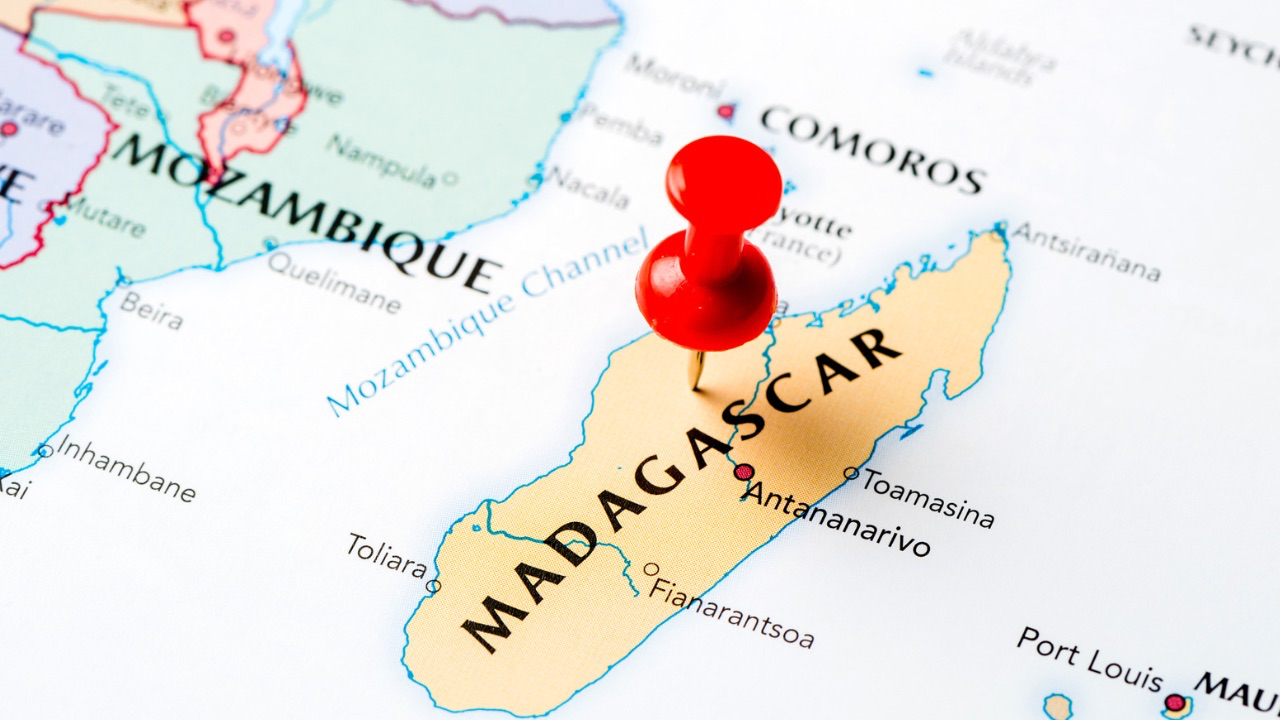
Madagascar is preparing for a significant overhaul of its gambling framework as lawmakers move to strengthen regulation of the country’s growing iGaming sector.
Parliament has introduced Bill No. 019/2026, which proposes a more comprehensive approach to licensing, player protection and anti-money laundering (AML) controls.
New framework for online gambling
The legislation would bring licensed gambling operators under increased regulatory scrutiny, while introducing additional requirements intended to establish a more robust and compliant online gambling environment.
Madagascar has had gambling legislation in place since 1971, although much of the market has historically operated without comprehensive regulatory oversight.
A notable shift came in 2022, when the country began issuing licences to land-based casinos permitting them to offer electronic gaming products.
Greater oversight for operators
Under the proposed reforms, operators would face greater monitoring and a broader set of compliance obligations.
The changes are designed to give authorities greater visibility over gambling activity and establish clearer responsibilities for businesses operating within the market.
Anti-money laundering requirements would also form part of the strengthened regulatory framework, reflecting the increasing focus on financial controls across regulated gambling markets.
New player protection measures
Player protection is also central to the proposed changes.
The minimum legal gambling age would be raised to 21, while operators would be required to introduce a range of responsible gambling measures.
These would include self-exclusion facilities, age-verification systems and controls allowing customers to set limits on deposits and stakes.
The proposed requirements would place greater responsibility on operators to identify and manage gambling-related risks while providing customers with additional tools to control their activity.
Tougher penalties proposed
The proposed framework would also introduce stronger sanctions for violations of gambling legislation.
Serious offences could result in prison sentences of up to five years, while fines could reach between Ar10 million and Ar50 million.
The penalties are intended to provide authorities with greater enforcement powers and reinforce compliance with the country’s gambling rules.
Bill awaits presidential approval
The legislation is now awaiting presidential approval.
If enacted, it would represent a significant change in Madagascar’s approach to gambling regulation and provide a more clearly defined framework for businesses operating in the country’s digital gambling sector.
The reforms could also give regulators greater control over licensing and enforcement while strengthening safeguards for consumers.
Wider regulatory shift across Africa
Madagascar’s proposed reforms come as gambling regulation continues to evolve across Africa, with governments increasingly looking to establish clearer frameworks around both land-based and online betting.
More established markets, including Nigeria, Ghana, Kenya and South Africa, have continued to develop their regulatory regimes, while jurisdictions that have historically had less formal oversight of online gambling are also moving towards more structured models.
Unregulated market presents opportunity
The push towards stronger regulation is partly driven by the scale of the potential gambling market across the continent.
According to H2 Gambling Capital, more than $11bn in revenue could be lost through unregulated sports betting and iGaming activity across Africa over the next five years if current gaps in oversight remain unaddressed.
For Madagascar, the proposed legislation could therefore provide the foundation for a more clearly regulated digital gambling market while giving authorities greater control over licensing, consumer protection and industry compliance.