Russia Weighs Legalisation of Online Casinos Amid Black-Market Concerns
Finance Ministry proposal aims to curb illegal gambling and unlock significant new tax revenues under strict state oversight
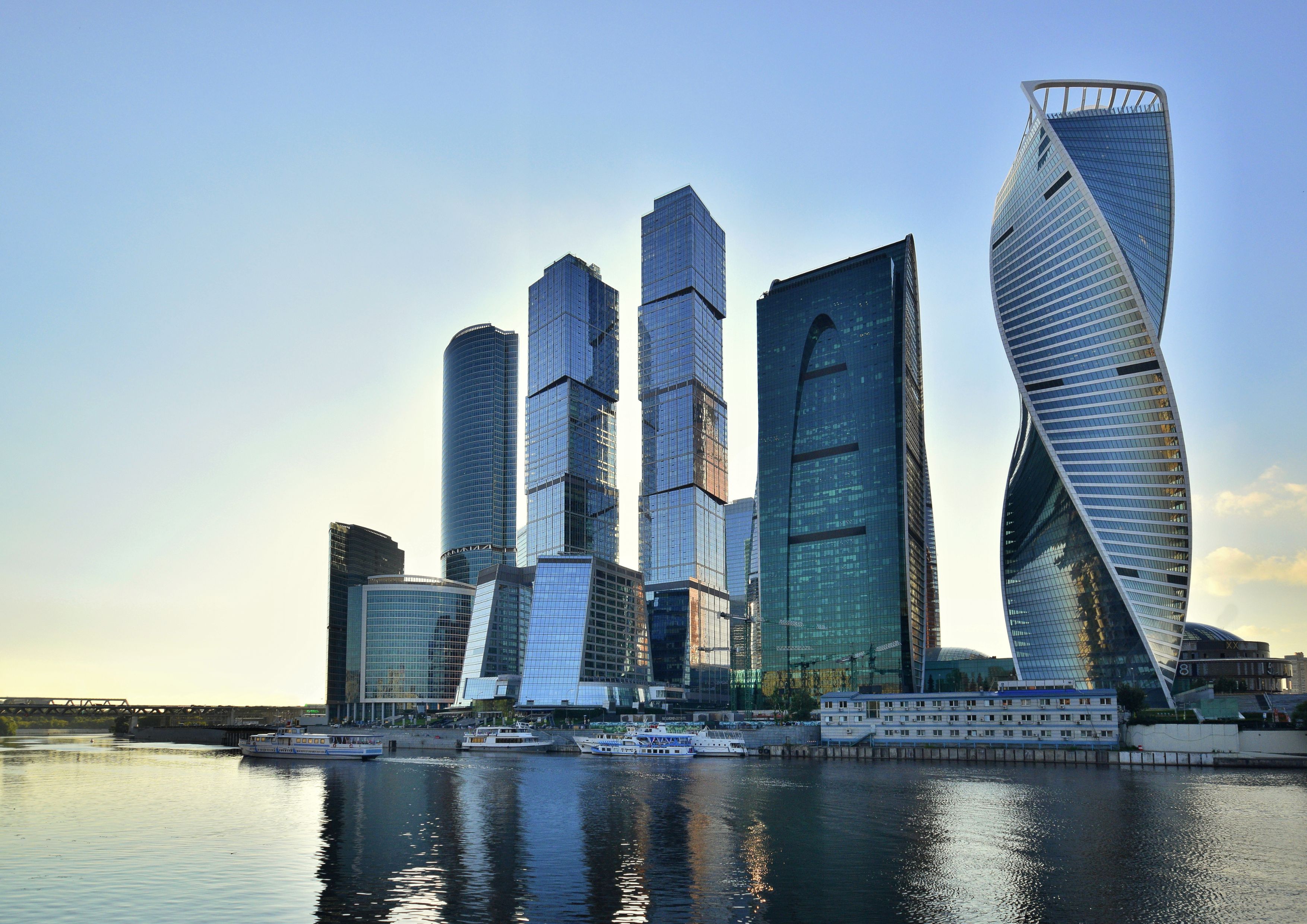
Russia could be moving closer to legalising online casinos, with the country’s Ministry of Finance reportedly exploring a tightly regulated framework designed to combat illegal gambling and strengthen public finances.
According to reports from Kommersant, Finance Minister Anton Siluanov has outlined a proposal to President Vladimir Putin that would allow online casino operations under direct state supervision. The plan forms part of a broader strategy to reduce the scale of Russia’s shadow gambling economy while improving transparency and fiscal returns.
Centralised regulation and payment oversight
Under the proposed model, a single national regulator would be appointed by presidential decree following a government recommendation. All online casino activity would be brought under a unified supervisory structure, with betting transactions routed through Russia’s Unified Betting Transfer Accounting Centre — the same infrastructure currently used by licensed sports betting operators.
The Ministry of Finance argues that integrating online casinos into this existing system would improve monitoring capabilities and encourage players to migrate from illegal platforms to licensed providers.
Tax framework and revenue potential
Taxation is a core pillar of the proposal. The ministry has suggested applying a levy of at least 30% on online casino revenue after payouts, with payments remitted to the state on a monthly basis. Oversight of tax collection would fall under the Unified Gambling Regulator, ERAI.
Officials believe that a legalised online casino market could generate around ?100bn (€1.1bn) annually for the federal budget. This would represent a significant shift in Russia’s gambling economy, where online casinos are currently banned and only bookmakers and lottery-style operators are permitted to operate digitally.
While the legal online gambling sector recorded turnover of roughly ?1.7tn (€16.4bn) in 2024, estimates suggest the illegal online casino market is substantially larger, potentially exceeding ?3tn (€32bn) per year. Authorities believe that around 100 unlicensed online casino platforms are currently active in the country.
Proposed safeguards and enforcement measures
The draft framework also includes a range of consumer protection measures. Access to online casinos would be restricted to users aged 21 and above, raising the threshold compared to the current minimum age of 18 in Russia’s land-based gambling zones.
Operators would be required to implement responsible gambling tools in cooperation with ERAI, alongside enhanced enforcement measures by federal authorities and the Central Bank. These efforts would include intensified blocking of illegal websites and tighter controls on financial transactions linked to unlicensed operators.
Industry and policy debate
Industry stakeholders have offered mixed reactions to the potential reform. Some representatives from the betting sector have argued that legalisation could bring Russia closer to international regulatory standards and create a more transparent and sustainable market.
However, critics warn that any move toward legalisation must be accompanied by strict state controls. Policy analysts highlight that online casino products typically attract a wider and more vulnerable audience than other forms of gambling, meaning limits on advertising, spending and session duration would be essential to avoid exacerbating social risks.
As discussions continue, the proposal highlights a familiar dilemma facing regulators worldwide: whether legalisation, combined with robust oversight, can successfully weaken illegal markets — or whether insufficient controls could inadvertently fuel further growth in online gambling participation.