DR Congo: The Billion-Dollar iGaming Mystery Yet to Be Resolved
Insiders say regulation exists largely on paper, leaving oversight fragmented and revenues unmeasured.
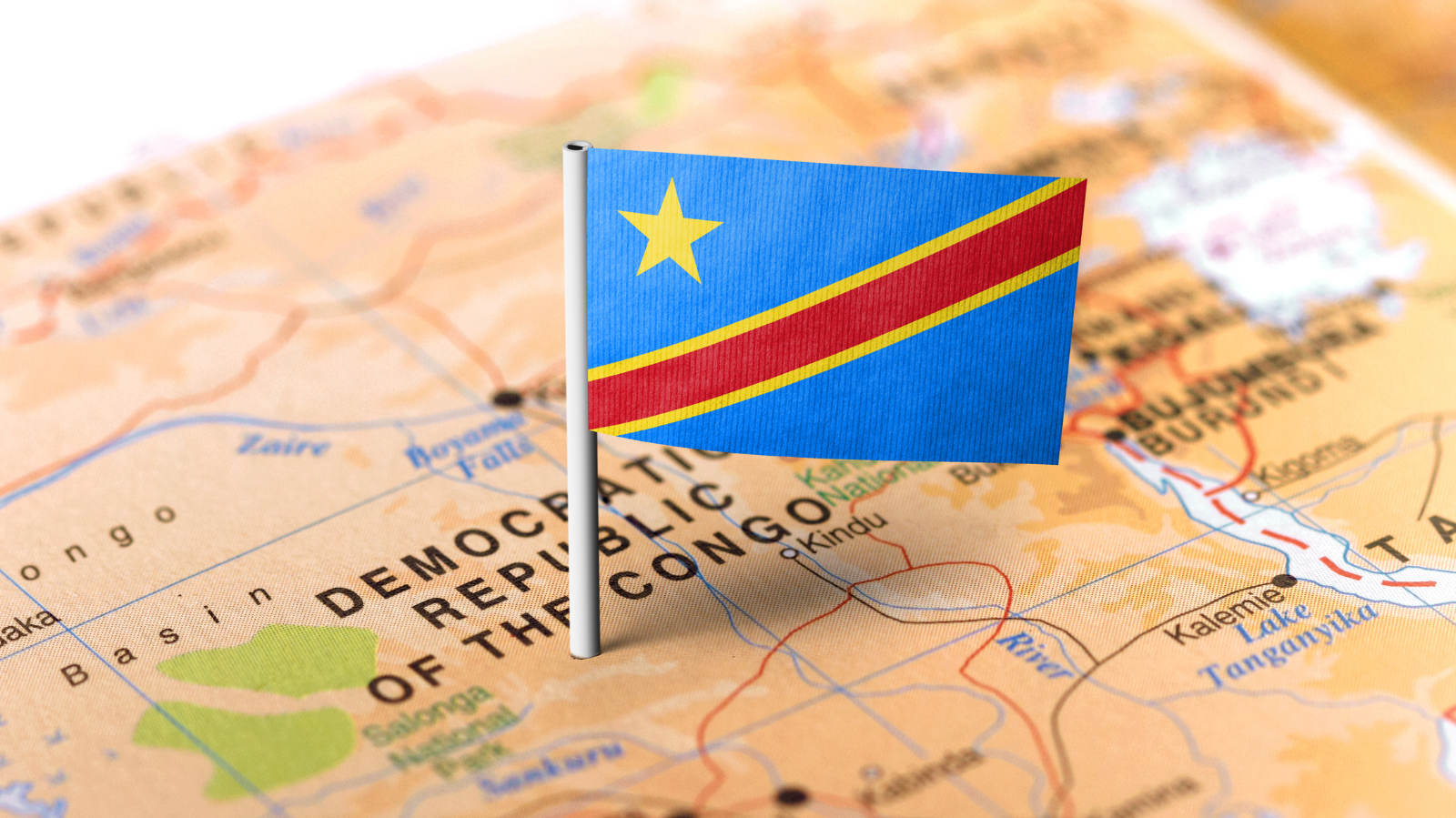
Despite repeated announcements of reform, gambling regulation in the Democratic Republic of Congo (DRC) remains opaque, with industry insiders warning that enforcement mechanisms are weak or, in some cases, effectively absent. While officials have spoken of new legislation and centralised monitoring, stakeholders say the practical reality falls far short.
According to figures cited by the Ministry of Finance, iGaming operators may be generating close to $1.7 billion in annual revenue. Yet reported tax receipts amount to around $1 million, raising fundamental questions about oversight, data access and compliance. Industry sources argue that the true size of the market cannot be reliably measured under current conditions.
Regulation in name, not in practice.
Local consultants and operators describe a system that relies heavily on self-declaration. Without a dedicated regulator equipped to verify data, operators largely report what suits them, creating wide discrepancies in effective tax contributions. One executive described the framework as “a regime of trust,” noting that while some firms attempt to comply in good faith, the absence of enforcement invites inconsistency.
A bill intended to govern retail and online gambling was reportedly adopted last year, but sources say it has not delivered a clear operational framework. As a result, the sector continues to expand without defined rules for monitoring online activity or standardising taxation.
Institutional overlap and uncertainty.
Two state bodies currently shape the market. The national lottery operator, SONAL, historically held a monopoly and now seeks a monthly share of gross gaming revenue from operators. Meanwhile, the Ministry of Finance levies a tax on winning tickets. Insiders say the overlap creates confusion, with neither body possessing the tools or legal clarity to comprehensively assess market activity.
Compounding the issue is limited access to transaction data. Mobile money platforms dominate gambling payments in the DRC, but strict data protection laws restrict authorities from analysing these flows. Without implementing decrees to clarify data-sharing provisions, regulators lack visibility over the primary revenue channels of iGaming.
Mobile money at the core.
With a population exceeding 110 million, the DRC’s gambling market is driven largely by mobile payments. While data protection laws safeguard consumers, they also prevent authorities from tracking gambling transactions at scale. Industry voices argue that without amendments or clear implementing rules, fiscal transparency will remain out of reach.
A path forward?
Stakeholders broadly agree that reform is possible, but only with decisive steps: appointing a single, empowered regulator; establishing a functional monitoring system; and opening structured dialogue with licensed operators. Without these changes, the country risks leaving substantial public revenue uncollected while operating in a prolonged grey zone.
For now, the DRC’s iGaming sector remains a paradox — vast in potential, yet largely unquantified — with billions in estimated activity and little certainty over who truly benefits.