Regulatory Intent vs Economic Reality: Gibraltar Reacts to UK Gambling Tax Hikes
Following the November announcement that online gambling taxes will increase to 40 per cent from April, Feetham described the move as “bad news” for Gibraltar’s economy, warning that the consequences would extend far beyond balance sheets.
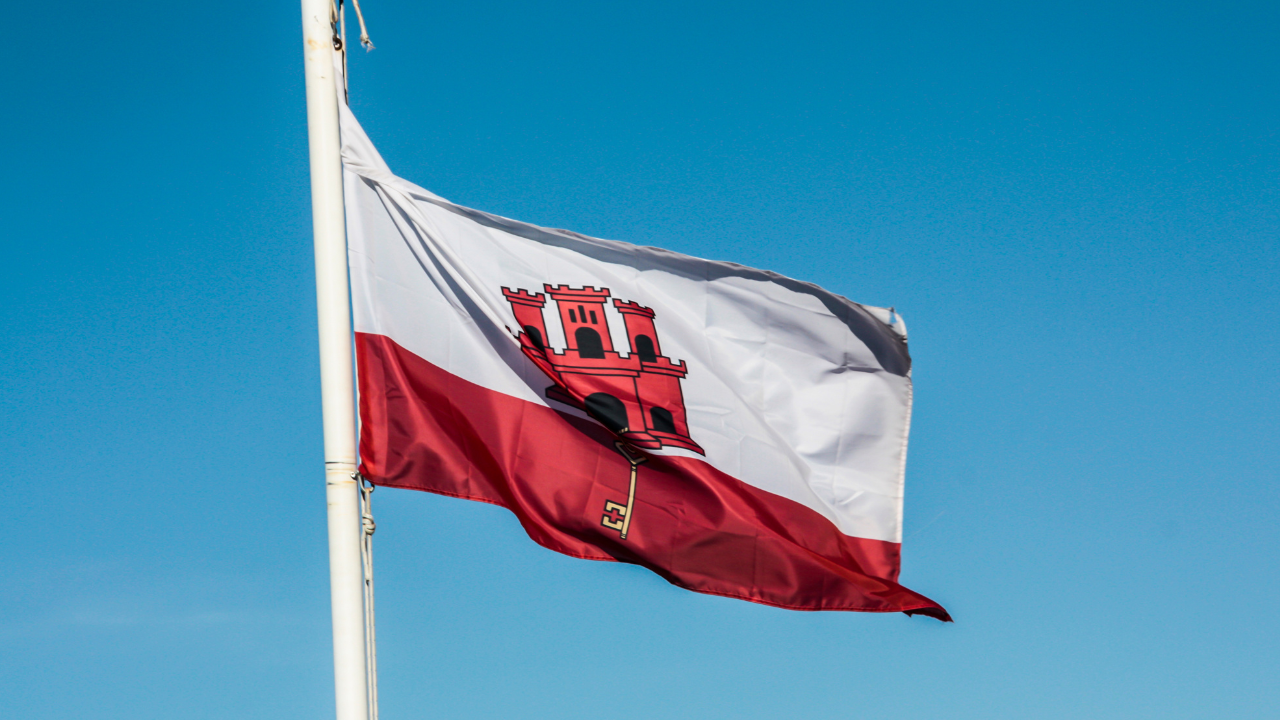
Gibraltar’s minister for justice, trade and industry, Nigel Feetham, has reiterated his commitment to “engage constructively” with the UK government, even as concerns mount over the economic fallout from Britain’s decision to raise gambling taxes.
Following the November announcement that online gambling taxes will increase to 40 per cent from April, Feetham described the move as “bad news” for Gibraltar’s economy, warning that the consequences would extend far beyond balance sheets. Despite what he said were sustained efforts to raise the issue in Westminster, his arguments appear to have fallen on deaf ears.
“I sounded the alarm in the UK to anyone who cared to listen,” Feetham said at the time, adding that his concerns — particularly around whether higher taxes would fuel the growth of the unregulated market and ultimately fail to meet their intended objectives — were “not accepted”.
In a LinkedIn post last week, Feetham confirmed that Gibraltar has now received formal notification from the UK government that the package of measures will proceed. These include an increase in online sports betting taxes to 25 per cent from 2027.
“Before the Christmas break, I again raised Gibraltar’s serious concerns with the UK government regarding the Budget increase in remote gaming duty and its potential impact on our economy, employment and public finances,” he said.
“While the government of Gibraltar has now received confirmation that the decision will proceed and that HM Treasury will not be amending the Bill as we proposed, but will closely monitor the impact on the sector, we will continue to engage constructively with the Treasury and provide evidence on the effects of these measures, particularly in relation to employment, tax revenues and the integrity of the regulated gaming sector in both Gibraltar and the UK.”
Feetham added that Gibraltar will also deepen its dialogue with licensed operators based in the territory as it assesses the potential consequences of the tax changes.
“Separately, we will also continue our engagement with regulated gaming operators in Gibraltar to inform our assessment of potential impacts,” he said.
The stakes are high. Feetham previously described the gambling industry as a “vital pillar” of Gibraltar’s economy, accounting for around 30 per cent of its gross domestic product. As the UK presses ahead with its fiscal reforms, Gibraltar now faces a pivotal question: can higher taxes deliver policy goals without undermining one of Europe’s most established regulated gambling hubs — or will they inadvertently push activity into less transparent, unregulated spaces?