Brazil Confirms Betting Tax Increase as Industry Warns of Black Market Risks
The tax will apply to gross gaming revenue (GGR), defined as total revenue minus winnings paid out to players. T
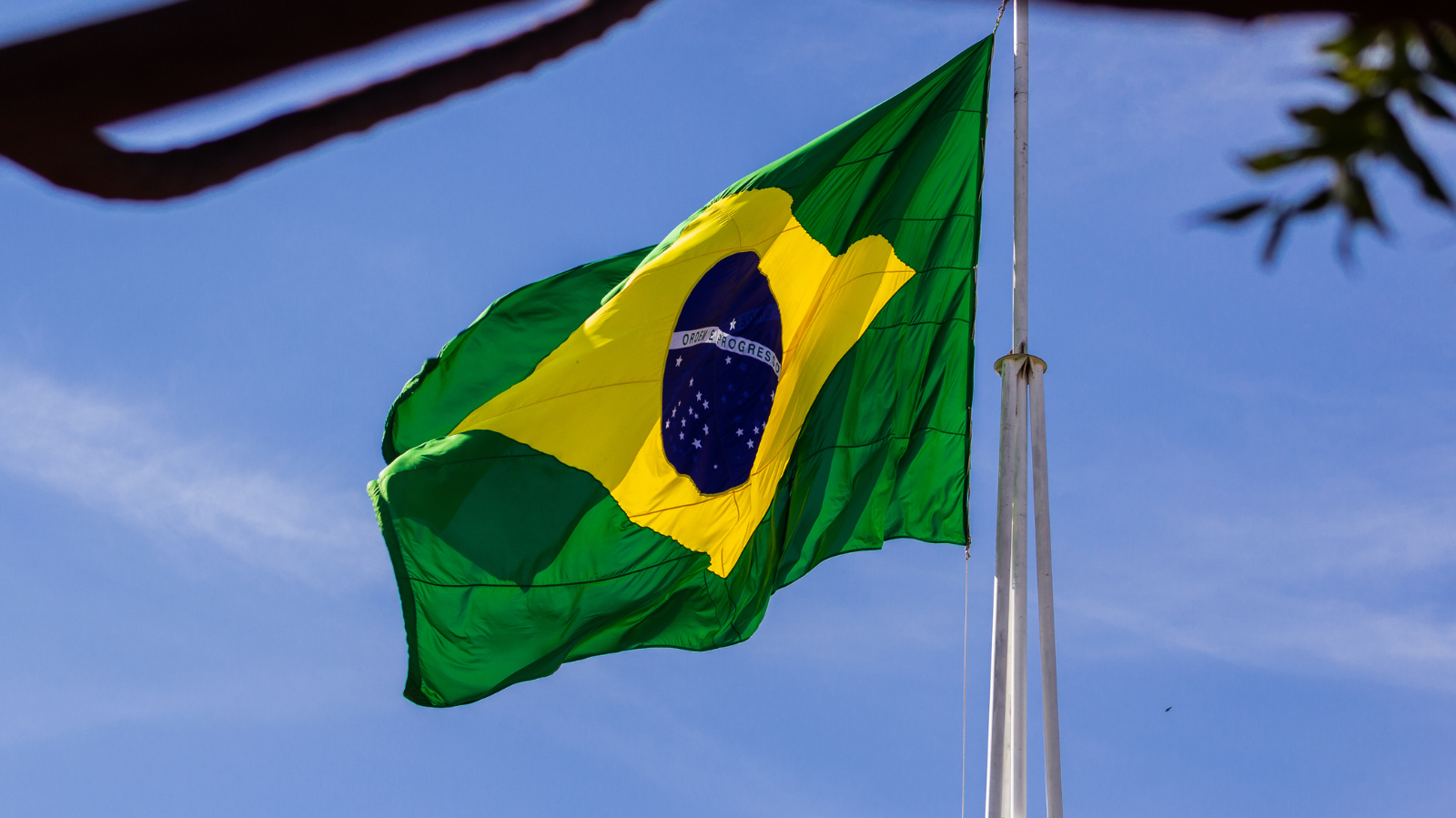
President Luiz Inácio Lula da Silva has signed legislation into law that will see taxation on betting companies operating in Brazil increase from 12% to 15% by 2028.
The tax will apply to gross gaming revenue (GGR), defined as total revenue minus winnings paid out to players. The move comes after Brazil emerged as the world’s fifth-largest sports betting market in its first year following legalisation.
According to the Ministry of Finance, the measure is designed to strike a balance between tax collection and sustainable sector growth, with the government expecting higher revenues and improved predictability in collections.
The decision follows approval by the Senate earlier this month, which backed the 15% rate rather than the previously proposed 18%. However, separate legislative proposals aimed at increasing the rate to 18% remain under consideration within Brazil’s Congress.
Data from the Secretariat of Prizes and Betting shows the federal government collected R$3.32bn (€506m) in betting-related taxes up to September, while licensed operators processed R$27.7bn in wagers during the first nine months of the year.
Despite these figures, industry bodies have raised concerns about the impact of higher taxes on licensed operators, warning it could drive players towards unregulated platforms. Recent reports suggest the black market continues to account for around 55% of total betting revenue.
The Brazilian Institute for Responsible Gaming (IBJR) has cautioned that the increase could undermine regulatory objectives and strengthen illegal competition.
In an October statement, the institute said:
“The regulation of the sector represents progress precisely because it establishes clear rules for integrity, traceability, and debt prevention – aspects that are absent in the illegal market, which not only harms the state and consumers but also finances illicit activities and organised crime in various forms.”
It added:
“Combatting this illegal market must be a priority. Measures that weaken the regulated environment only benefit those operating outside the law and make it harder to tackle the criminal networks that exploit the lack of oversight.”
The IBJR concluded:
“The most effective way to increase tax collection and protect Brazilian consumers is to strengthen the formal market, ensuring legal certainty, compliance with regulations, and a competitive and sustainable environment.”