London Transport Sees Growth in Gambling Ads, but Debate Over Ban Continues
Freedom of information requests show that more than 500 gambling campaigns have run on TfL since Khan’s pledge, generating around £4.6 million in revenue during that period.
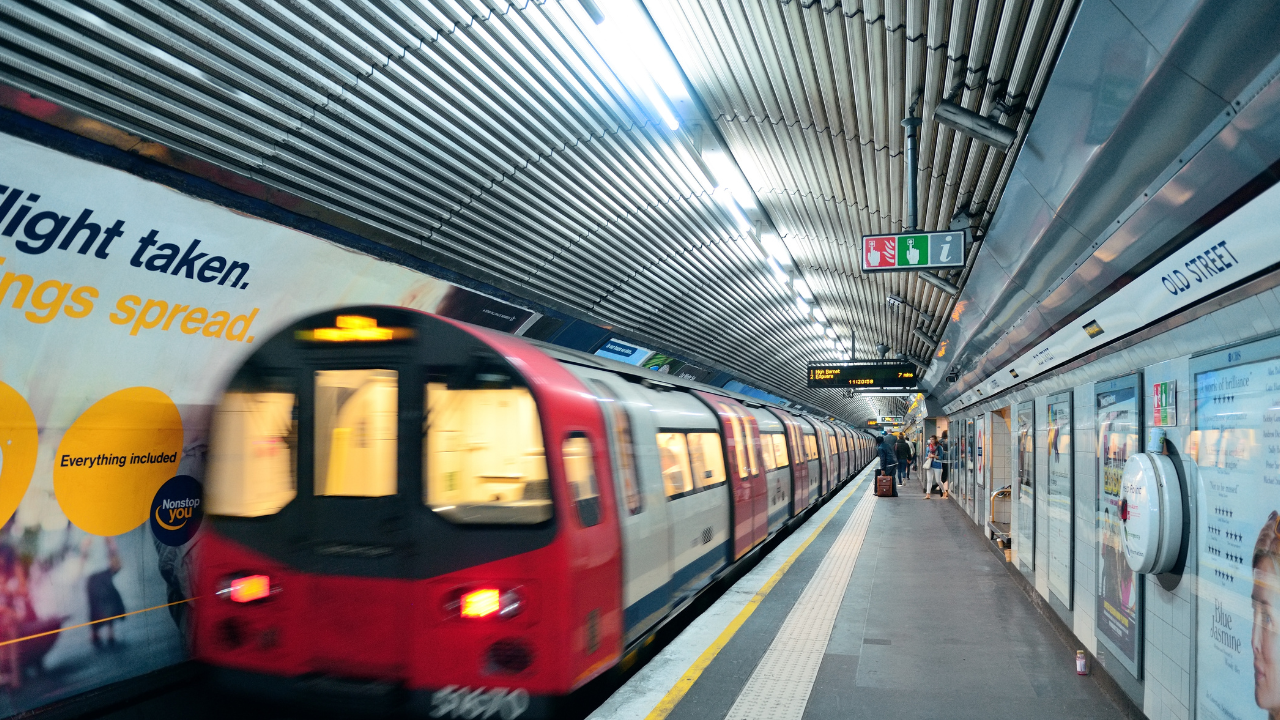
Nearly four years after Sadiq Khan pledged to remove gambling advertising from London’s transport network, betting and casino brands continue to feature across Tube stations, trains, and platforms. Since the 2021 mayoral election, gambling companies have spent close to £5 million promoting their services on Transport for London (TfL) assets.
Freedom of information requests show that more than 500 gambling campaigns have run on TfL since Khan’s pledge, generating around £4.6 million in revenue during that period. Across his three mayoral terms, operators have invested more than £7.5 million in advertising across the Underground, Overground, DLR, Elizabeth line, trams, and Victoria Coach Station.
Advertising activity continues to increase
This year has already seen 223 separate campaigns — more than double last year’s total — indicating a continued presence of gambling advertising on TfL assets. Some campaigns have drawn public attention, including a high-profile online casino promotion that was later withdrawn following complaints.
The visibility of gambling ads on TfL has prompted discussion about the network’s dual role as both a public service and a commercial advertising platform, reaching millions of commuters daily.
City Hall and Westminster discussions ongoing
The mayor’s office has highlighted the need for guidance from central government on the relationship between gambling advertising and harm. Officials have noted that a unilateral ban could face legal challenges without nationally recognised evidence.
This approach contrasts with TfL’s earlier restrictions on high-fat, salt, and sugar products, where nationally recognised definitions and a strong evidence base supported action. Gambling remains a less clearly defined regulatory area.
Evidence and policy considerations
The Gambling Commission estimates that over one million people in the UK experience problem gambling. Research suggests exposure to gambling advertising may influence behaviour, though establishing a direct causal link is complex.
At the same time, there is no active government review specifically examining the impact of gambling advertising. While the Department for Digital, Culture, Media and Sport regularly gathers evidence to inform wider gambling policy, dedicated guidance on advertising is not currently underway.
Local authorities and campaigners call for action
Some campaign groups and London councils have questioned the need to wait for Westminster guidance. Seven boroughs have formally urged the mayor to consider introducing a TfL ban independently, reflecting growing interest in local-level action.
A significant advertising market
Gambling companies are estimated to spend between £1 billion and £2 billion annually on advertising in the UK. The industry has introduced voluntary measures, such as limiting ads during televised sport before 9pm and including safer gambling messages. TfL remains one of the most visible and commercially attractive platforms for gambling advertising in the country.
Ongoing discussion
As gambling advertising continues across London’s transport network, City Hall faces decisions about the next steps. With no confirmed timetable for action and guidance from government still awaited, discussions around a potential TfL ban are ongoing.