UK Gambling Machine Tax Rise Reportedly Limited To 25% In Autumn Budget
Chancellor John Healey is reportedly considering a smaller increase in Machine Games Duty following warnings of betting shop closures and job losses.
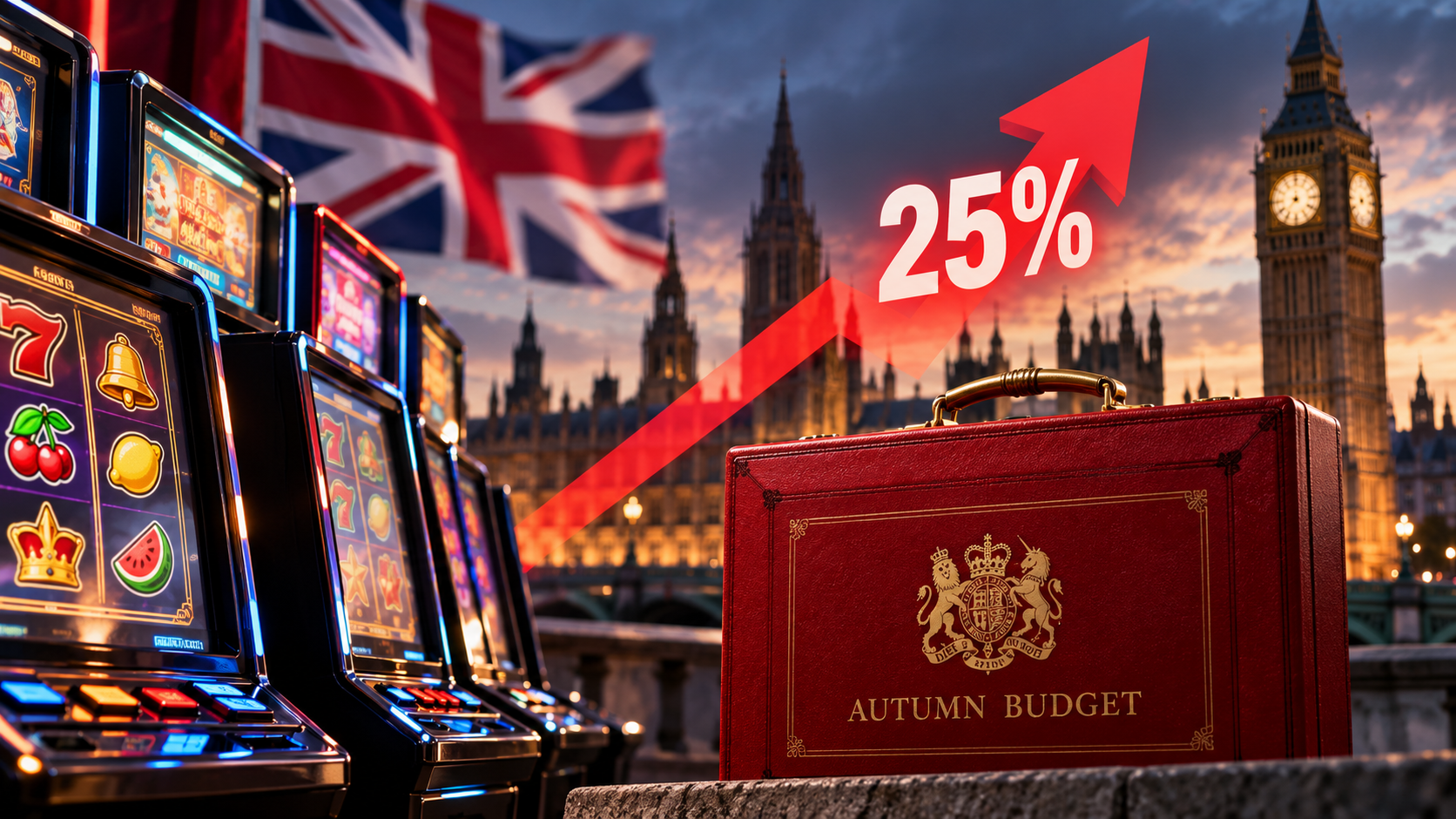
The UK government is reportedly preparing to increase Machine Games Duty (MGD) from 20% to 25% in next week's Autumn Budget, potentially avoiding the more substantial tax rise sought by gambling reform campaigners.
According to The Times, Chancellor John Healey is considering a five-percentage-point increase rather than doubling the existing rate to 40%, as proposed by several prominent political figures and campaign groups.
The reported plans, which have not been officially confirmed, would offer some relief to betting shops, bingo halls and adult gaming centres, all of which have warned that a substantial increase in machine taxation could threaten their financial viability.
The Autumn Budget is scheduled for 28 October, when the government is expected to confirm its approach to gambling taxation.
Gambling Industry Pushes Back Against Higher Taxes
Pressure to increase MGD has intensified following recommendations from the Social Market Foundation, which proposed doubling the duty to 40% as part of wider gambling tax reforms.
The proposal subsequently gained support from former Prime Minister Gordon Brown and a group of approximately 90 Labour MPs, who backed a letter coordinated by Alex Ballinger calling for higher taxation on gaming machines.
However, gambling operators and trade associations have warned that such a substantial increase could accelerate betting shop closures, reduce employment and ultimately undermine Treasury revenues.
Betfred Founder Fred Done previously warned that “the high street would be dead” if MGD were doubled, while Entain CEO Stella David cited industry analysis suggesting that approximately 1,500 betting shops and 16,000 jobs could be lost.
During an investor call, David said:
“The most important point is that we get our message across that putting up gaming tax like that is actually self-defeating and hollows out an already very underperforming high street, and so that’s the focus at this moment in time.”
Bingo Clubs And Racing Face Potential Consequences
The potential increase has also prompted concerns from bingo operators, whose businesses depend partly on gaming machine revenues despite the abolition of Bingo Duty in the previous Budget.
Bingo Association CEO Nicole Garrett warned that doubling MGD could leave 102 of the UK's remaining 239 bingo clubs operating at a loss, placing significant pressure on a sector already experiencing a decline in venues.
Addressing the proposed increase, Garrett said:
“We have shouted from the rooftops about what the repercussions would be and I’m afraid to say if MGD goes up, bingo clubs will close. Not all of them, but a significant amount that would put a big dent in that 239 that are left.”
Horse racing and greyhound racing representatives have similarly raised concerns about the indirect consequences of betting shop closures, particularly given the importance of retail bookmakers to both sports.
Abbie MacGregor, Director of Corporate Affairs at the Greyhound Board of Great Britain, said:
“Greyhound racing is fundamentally a betting shop product, that’s where the majority of greyhound bets are placed.”
Flutter Job Cuts Highlight Wider Industry Pressures
The reported MGD proposal comes as gambling operators continue adjusting to significant changes in UK betting and gaming taxation.
Remote Gaming Duty increased from 21% to 40% in April 2026, while General Betting Duty on online betting, excluding horse racing, is scheduled to rise from 15% to 25% in April 2027.
On 20 October, Flutter Entertainment announced plans to cut up to 1,400 jobs across its operations, citing the financial impact of the government's gambling tax increases.
Betting and Gaming Council CEO Grainne Hurst has also urged MPs to consider the wider economic consequences of further taxation.
“Every closure means fewer jobs, another empty shop front and another blow to Britain’s high streets,” Hurst said.
Although an increase to 25% would fall considerably below the proposed 40% rate, it would still represent an additional financial burden for land-based gambling businesses.
The Treasury has yet to confirm its intentions, leaving operators awaiting the Autumn Budget for clarity on the future taxation of gaming machines.