The SG Perspective: Withdrawal Delays and Age-Group Data Put Safer-Gambling Claims Under Scrutiny
A £900,000 settlement shows protection failures beyond the safer-play page, while Genting’s data offers a narrower picture of how customers use account tools.
Listen to this article
British female voice
The SG Perspective | News analysis
A £900,000 regulatory settlement over failures including withdrawal delays brought the cashier into October’s player-protection debate, just as Genting Casino Online published data showing marked differences in how age groups use deposit limits and self-exclusion.
The developments, both reported on 21 October, concern different parts of the customer experience. One is a regulator’s finding about practices that fell short of requirements. The other is an operator’s account of tool use. Read together, they show why safer-gambling performance cannot be reduced to the number of controls a business offers.
When withdrawing money becomes the obstacle
The Gambling Commission’s L & L Europe announcement described a rule allowing customers only one withdrawal request at a time: another could not be made until the first was authorised. The regulator regarded that term as unfair under the Consumer Rights Act 2015.
Reviews of every fifth or tenth withdrawal for some customers also resulted in requests for additional information. The Commission said a withdrawal must not trigger such demands where the business could reasonably have requested the information earlier. The investigation identified AML and social responsibility failures as well.
The case places an ordinary account process within the protection discussion. Setting a deposit limit governs money entering the platform; a withdrawal process governs access to money leaving it. An assessment confined to the former overlooks a consequential part of the relationship.
The Commission’s public statement sets out the regulatory context. Its findings support scrutiny of the processes described, not a broader claim that every delay causes harm or that all operators use similar practices.
Genting’s figures describe use, not impact
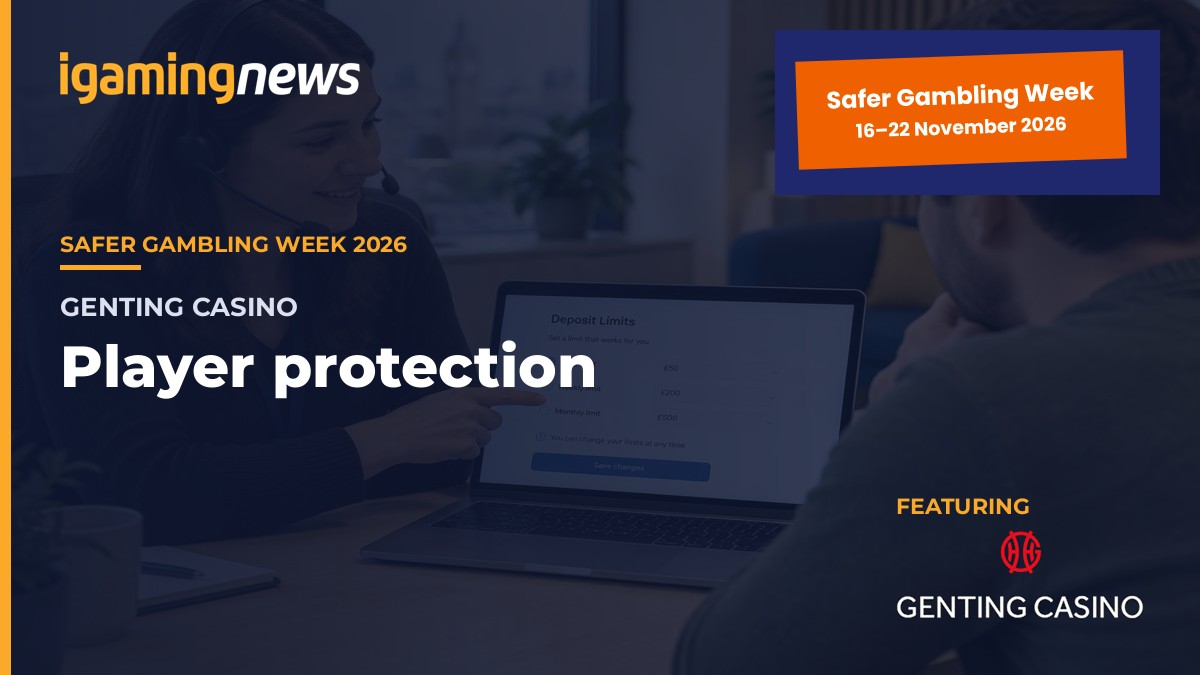
Our report on Genting’s anonymised account data found that 20.7% of players aged 18–24 had set a deposit limit, compared with 31.2% among those aged 45–54. Self-exclusion followed a different pattern: reported use peaked at 20.6% among 25–34-year-olds and fell to 13.4% among players aged 55 and over.
Michael Vella, Genting Casino Online’s brand manager, acknowledged the limits of the findings in comments carried in our report: “While the figures don't explain why players choose particular tools, they reinforce the importance of understanding how these options are being used”. The release accompanied the launch of the operator’s Safer Play Hub.
The figures are useful precisely within that boundary. They describe behaviour in Genting’s dataset, not population-wide rates of gambling harm. Lower deposit-limit use among younger customers does not establish a reason for the difference; higher self-exclusion use in another group does not establish that group’s underlying risk. Those explanations would need additional research.
Technology claims need a different evidential test
Louisiana’s conditional extension of DraftKings’ licence, covered on 19 October, added another strand: an investigation involving allegations about AI-driven marketing, responsible gambling and compliance. At the reporting cutoff, those allegations were under investigation, not established findings.
That status must remain explicit. Nevertheless, the case illustrates why commercial targeting and protection cannot be treated as unrelated technical functions. The questions include whether protection information influences marketing decisions and who is accountable when automated systems identify conflicting priorities.
The week offered no single verdict on the sector’s progress. It offered three different forms of evidence: concluded regulatory findings, descriptive operator data and an unresolved investigation. Keeping them distinct produces a less sweeping story, but a more informative one about where protection works, where it has failed and what remains unknown.
Retrospective news analysis covering 15–21 October 2026, compiled on 24 November 2026. The archive date identifies the period reviewed, not the original publication date.
The SG Perspective is written by iGaming.News Newsdesk with the support of our partner, 1xCare. The partnership supports continued editorial coverage of safer gambling; this article is not authored by 1xCare. Explore The SG Perspective. This October review was prepared retrospectively; the partnership campaign runs from November 2026 to January 2027.
Stay ahead of iGaming
Get the week's key stories, industry insight and exclusive interviews in your inbox.
One email a week. Unsubscribe any time. More about our newsletter