BGC Accuses Channel 4's Million Pound Shot Of Misleading Viewers About Gambling
The Betting and Gaming Council has criticised Channel 4's portrayal of Britain's gambling industry, arguing that the programme failed to explain existing consumer protection regulations.
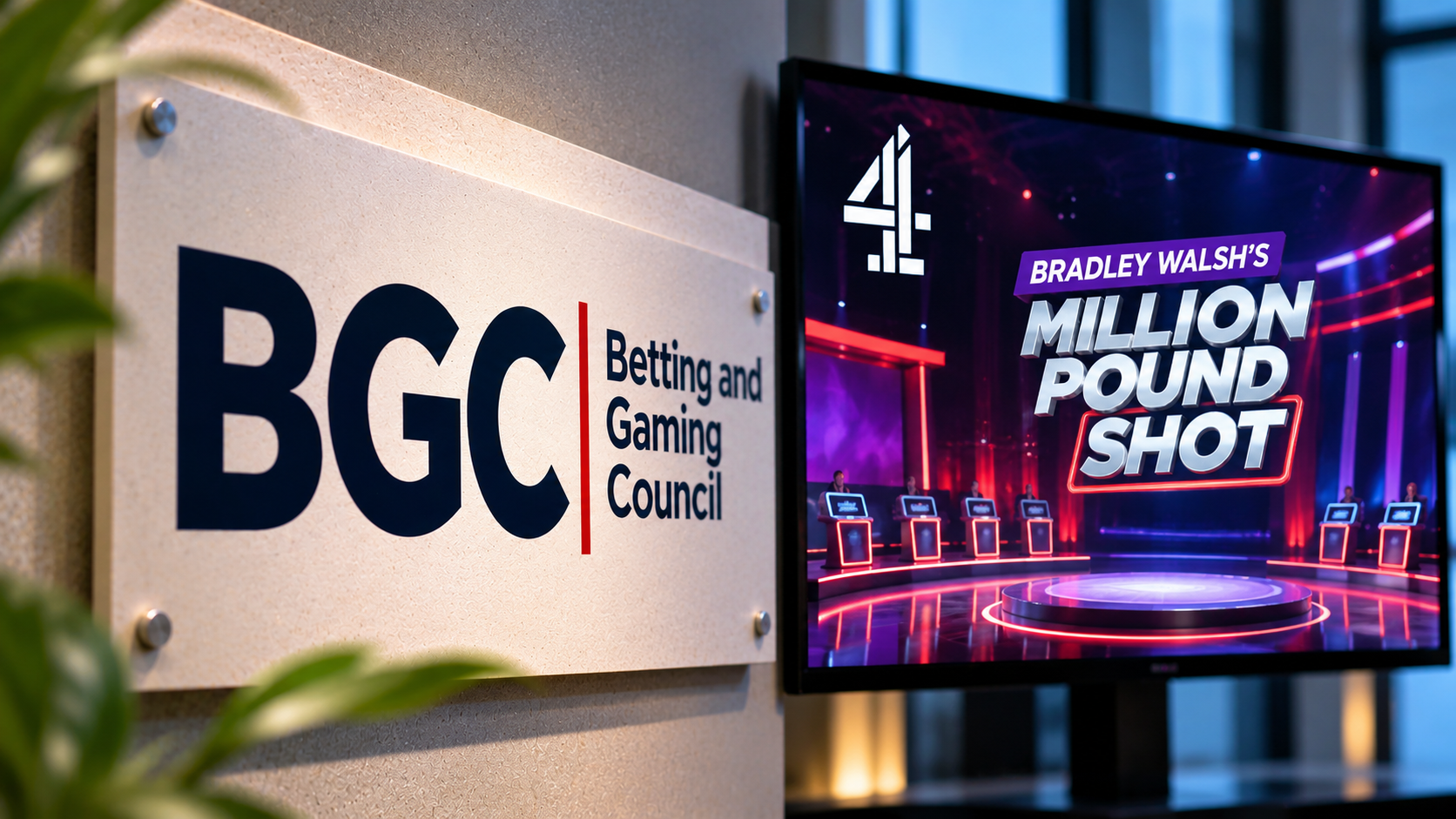
The Betting and Gaming Council (BGC) has accused Channel 4's Million Pound Shot of presenting a misleading portrayal of Britain's regulated gambling industry, challenging the programme's treatment of credit card betting, customer vulnerability and gaming practices already prohibited under UK regulations.
In a detailed statement subsequently reinforced through LinkedIn, the industry body argued that the programme's fictional gambling environment failed to reflect the responsibilities imposed on licensed operators by the UK Gambling Commission. It warned that viewers could have been left believing certain practices remain commonplace within the regulated sector, despite existing restrictions and customer protection requirements.
The BGC acknowledged the importance of examining gambling-related harm but questioned whether the programme provided audiences with an accurate understanding of the industry's regulatory obligations. A spokesperson said the organisation recognised the impact gambling problems can have on individuals and families, while maintaining that public scrutiny must be supported by evidence rather than misleading generalisations.
BGC Questions Portrayal Of Credit Card Gambling And Customer Vulnerability
Among the organisation's principal concerns was the programme's discussion of gambling with credit cards, which has been prohibited by the Gambling Commission since April 2020. The BGC argued that presenting such activity without adequately explaining the ban risked creating a false impression of the practices permitted within Britain's licensed gambling industry.
The organisation also highlighted contestants discussing financial difficulties, including one participant who had recently been made redundant and another who indicated they had very little money. According to the BGC, these circumstances represented potential indicators of gambling-related harm that would require a licensed operator to consider an appropriate customer interaction. However, it argued that the programme made no meaningful attempt to explain how gambling businesses are expected to identify and respond to such warning signs.
Under Gambling Commission requirements, licensed operators must monitor customer behaviour, identify potential indicators of harm and take proportionate action when concerns arise. Depending on the circumstances, these interventions can include contacting customers directly, restricting gambling activity or suspending accounts. The BGC maintained that the fictional operator depicted in Million Pound Shot failed to demonstrate these safeguards, despite presenting situations in which they would have been particularly relevant.
Gambling Industry Challenges 'Losses Disguised As Wins' Claims
Another significant point of contention concerned the programme's examination of so-called 'losses disguised as wins', where gambling games use celebratory sounds or visual effects despite returning less money than the original stake. The BGC argued that the programme failed to distinguish between practices prohibited under Gambling Commission technical standards and ordinary sounds used to indicate the outcome of a game.
The organisation referred specifically to an example in which a sound accompanied a return smaller than the player's original wager. While Gambling Commission rules prohibit celebratory effects that present a financial loss as a winning outcome, the BGC stressed that not every sound accompanying a losing result constitutes a regulatory breach. It argued that the programme's presentation risked obscuring this distinction and misleading viewers about the scope of existing protections.
“A brief sound indicating the outcome of a game is not, in itself, evidence of a breach,” the BGC explained in its statement. The organisation maintained that this issue, alongside the treatment of credit card gambling and customer vulnerability, demonstrated a wider failure to distinguish between fictional scenarios and practices permitted within the regulated industry.
BGC Defends Consumer Protection Requirements
The BGC also used its statement to emphasise the safeguards that licensed gambling businesses must provide, including deposit limits, reality checks, time-outs, self-exclusion arrangements and customer monitoring systems. These measures operate alongside regulatory requirements for operators to identify potential gambling-related harm and intervene when appropriate, with the industry body arguing that such obligations were largely absent from the programme's portrayal.
Citing its estimate that approximately 22.5 million adults in Britain participate in some form of gambling during a typical month, the organisation maintained that the overwhelming majority do so safely and responsibly. It also challenged the suggestion that frequent gambling or higher spending should automatically be regarded as evidence of harm, arguing that individual circumstances and supporting evidence must inform assessments of customer vulnerability.
The BGC said its members remained committed to preventing gambling-related harm and supporting those experiencing difficulties, while recognising that the consequences for affected individuals and families can be serious. However, it maintained that acknowledging these risks should not prevent broadcasters from accurately explaining the legal requirements already governing licensed operators.
Industry Body Continues Review Following Broadcast
The BGC confirmed that it had submitted a detailed response to the programme's producers ahead of broadcast, providing evidence intended to challenge several of the claims subsequently presented. Following the programme's release, the organisation published its objections in a formal statement before sharing a further LinkedIn post highlighting concerns about credit card restrictions, customer protection responsibilities and the presentation of losses disguised as wins.
In its social media response, the organisation reiterated that these were not minor technical disagreements but fundamental differences between the programme's depiction of gambling and the regulatory framework governing licensed businesses. It also confirmed that its review was continuing, with further claims being examined as part of an ongoing assessment of the broadcast.
“We welcome scrutiny and recognise that there should be conversations about safer gambling. But that scrutiny must be fair, accurate and evidence-based,” the BGC spokesperson said, adding that the public deserved an informed debate grounded in facts rather than misleading generalisations.
The allegations represent the position of the gambling industry's trade body, rather than an independent finding that Channel 4 breached broadcasting standards or misrepresented regulatory requirements. The material released by the BGC did not include a response from Channel 4, and the organisation has not indicated whether it intends to pursue a formal complaint over the programme.