Two Weeks Until Scandinavian & Nordic Gaming Show 2026 As Legal Experts Address Regulatory Change
The Scandinavian & Nordic Gaming Show returns to Copenhagen on 22–23 October, with regulatory change, channelisation and player protection among the key topics on the agenda.
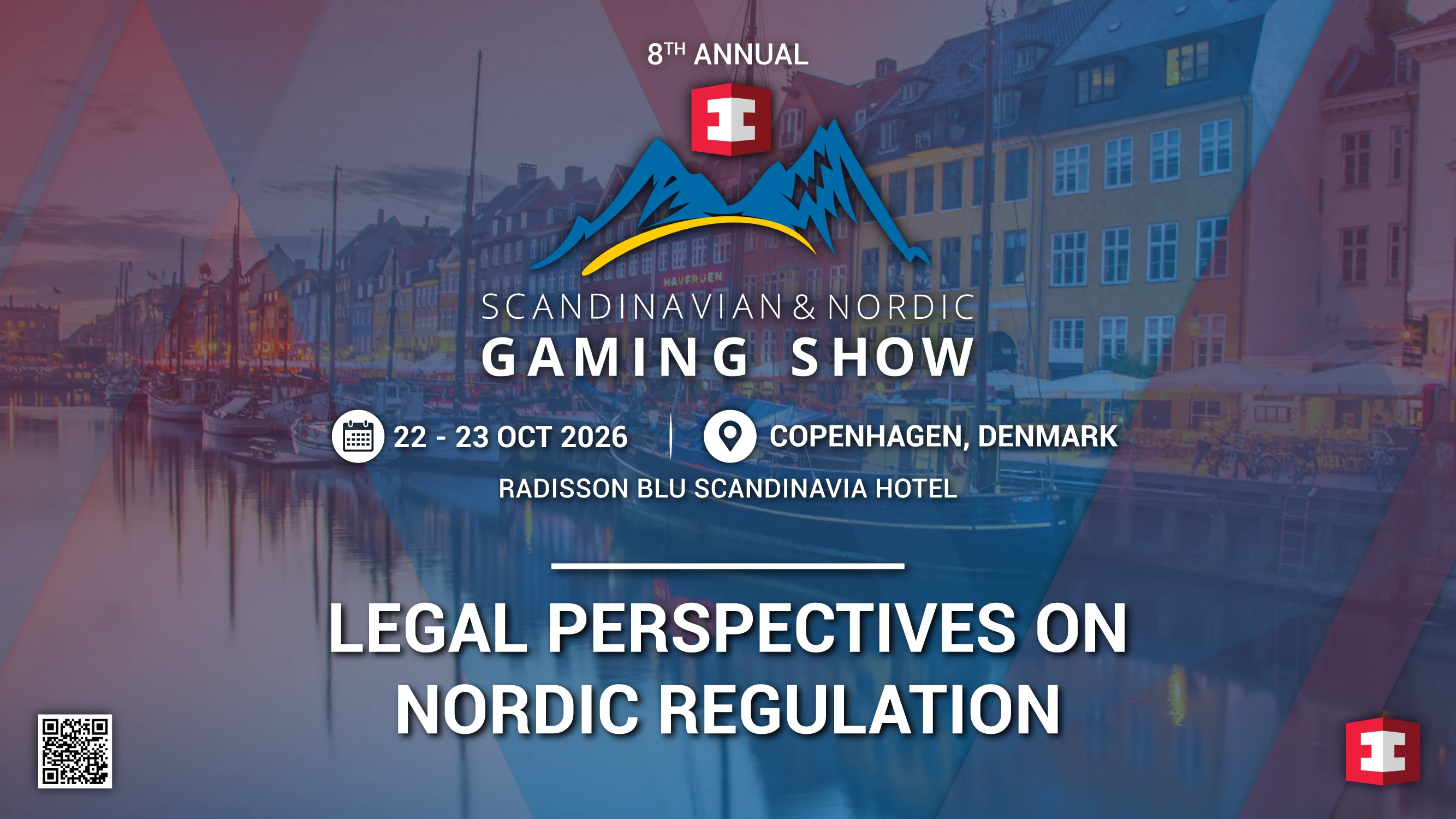
The eighth annual Scandinavian & Nordic Gaming Show (SNGS) will take place at the Radisson Blu Scandinavia Hotel in Copenhagen, Denmark, on 22–23 October 2026.
This year’s event comes amid regulatory developments across the Nordic gaming market, including Finland’s move towards a new licensing framework, regulatory changes in Sweden and increased enforcement activity in Norway.
SNGS 2026 will bring together regulators, operators, technology providers, investors and legal experts to discuss how these developments are affecting market access, commercial strategies and day-to-day operations across the region.
Regulatory And Commercial Developments On The Agenda
Sessions across the two-day event will examine developments affecting Denmark, Sweden, Norway, Finland and Iceland.
The first day will include discussions on gambling regulation in Denmark, Europe’s gaming market and the different regulatory approaches adopted by Sweden and Denmark.
The second day will address the Nordic lottery landscape and monopoly models, Finland’s new regulatory regime and channelisation across the region.
Ahead of the event, several legal experts scheduled to participate have shared their views on the changing regulatory landscape.
Gabriel Danyeli, lawyer at Taylor Wessing, said:
“A gaming market is particularly attractive if it offers clear and proportionate licensing requirements, fair tax conditions and effective, yet not excessive, supervision. The Nordic markets are adopting different approaches: Denmark and Sweden have relatively clear licence-based regulatory frameworks. Norway and, until now, Finland have pursued more restrictive models. However, all Nordic countries are generally seen as having regulations that are widely accepted by the players – unlike, for example, in Germany.”
Discussing channelisation, Danyeli added:
“Differences in player flows and channelisation have several causes. Strong enforcement against unlicensed operators can increase channelisation. Particularly restrictive systems or a lack of appeal in the legal offers may push players towards the black market. It is therefore important to combine effective enforcement with a competitive regulated market.”
He also called for greater coordination across areas including licensing, advertising, product regulation and supervision, alongside evidence-based player protection measures.
Legal Experts Examine Nordic Channelisation
Pia Ek, attorney at law and partner at Bird & Bird, highlighted differences between competitive licensing systems and monopoly-based markets.
Ek said:
“The divergence comes down to market architecture, not geography or culture. Sweden and Denmark opened to competitive licensing years ago, while Finland and Norway kept state monopolies. Monopoly markets are structurally more exposed when demand moves online and cross-border.”
She added that Finland’s reform process demonstrated the need to balance channelisation with player protection.
“The Finnish reform’s own framing is the clearest short answer: raising channelisation and protecting players are not inherently in tension, but getting both at once requires deliberate calibration. Some flexibility on both sides needs to be accepted.”
Ek said licence terms, tax rates and regulatory supervision should allow the regulated market to compete with unlicensed alternatives while maintaining effective enforcement.
She also identified coordinated action against unlicensed cross-border operators and their marketing as an area where greater Nordic regulatory cooperation could have an immediate impact.
Player Protection And Black Market Discussed
Morten Ronde, managing partner at Nordic Legal, said responsible gambling is increasingly moving from reactive measures towards proactive interventions.
“We are seeing a shift from reactive to proactive responsible gaming, and that is where the real opportunity lies. Key priorities include better use of behavioural data to identify risk earlier, more personalised interventions, and clearer, more effective communication with players.”
Ronde also highlighted the potential role of cross-operator collaboration and data sharing within appropriate legal frameworks.
Discussing black-market activity, he added:
“The most effective way to combat the black market is to ensure that the regulated market remains attractive to players. Enforcement is important, but it cannot stand alone. Regulation needs to strike a careful balance, protecting consumers without making the licensed offering so restrictive that players seek alternatives.”
Ronde also highlighted the role of industry events in bringing together different stakeholders.
“Platforms like SNGS are absolutely essential. The regulatory and commercial challenges we face today are too complex to be addressed in isolation. What makes the event particularly valuable is its ability to bring together regulators, operators, advisors, and other stakeholders in a setting that encourages open and constructive dialogue.”
SNGS Eventus Awards Nominations Near Deadline
The SNGS Eventus Awards 2026 will take place on the evening of 22 October, recognising individuals and organisations for their contributions to the Nordic gaming industry.
Nominations remain open until 9 October, with shortlisted nominees due to be announced on 14 October.
Nominations can be submitted through the SNGS Eventus Awards website.
Delegate, sponsorship and exhibition opportunities also remain available for SNGS 2026.
Registration for SNGS 2026 is available through Eventus International.